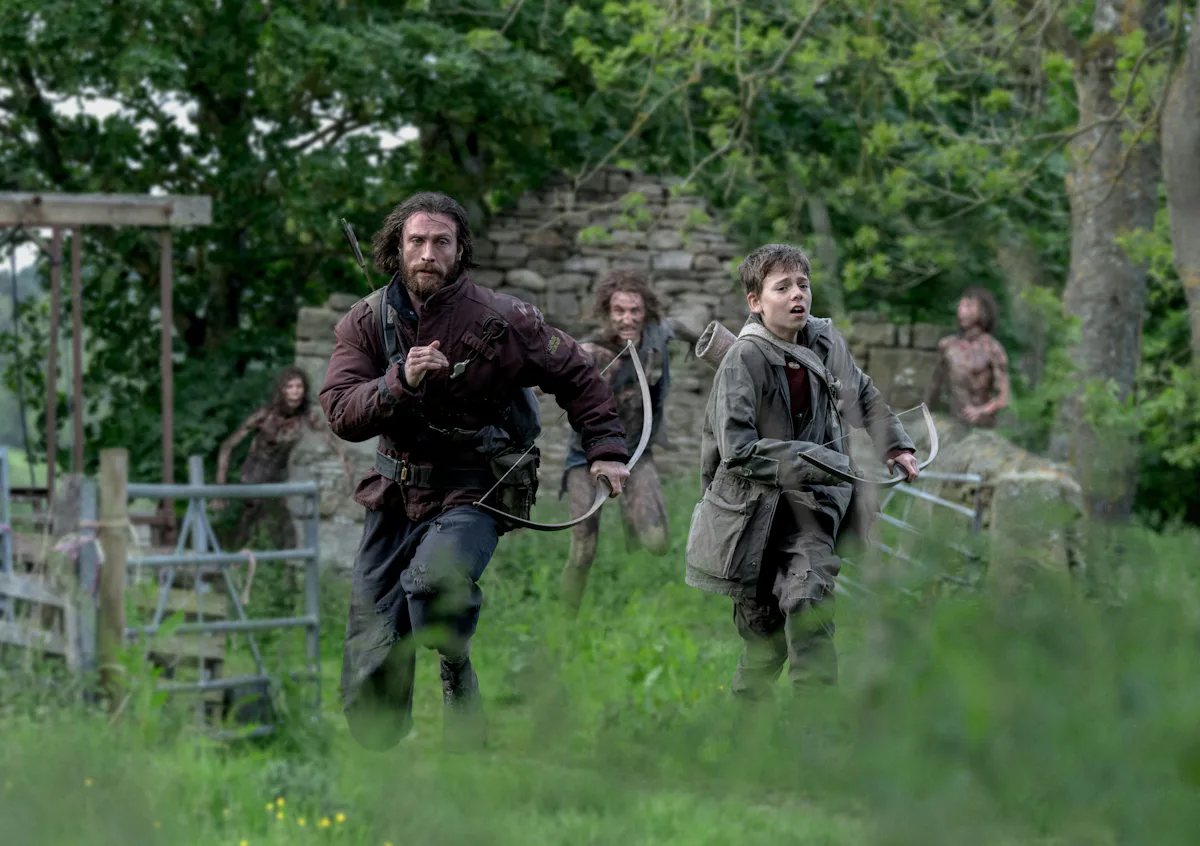
Danny Boyle's zombie films offer parents a lens for understanding how masculinity has shifted over three decades. The original "28 Days Later" (2002) presented hypermasculine survival instincts as the default response to crisis. The new sequel, "28 Years Later," shows men grappling with vulnerability, emotion, and collaboration rather than pure aggression.
For fathers and sons, this matters. The films reflect real cultural change. Modern men face different pressures than their 2002 counterparts. They're expected to be both providers and emotionally present. They navigate fatherhood without the rigid scripts their own fathers followed.
Parents watching these films with older teens can spark honest conversations about what strength actually means. Is toughness still valued? How do we teach boys to be resilient without teaching them to suppress feelings? The zombie genre, stripped of its social commentary, becomes a mirror for these questions.
The shift in Boyle's storytelling signals something parents already sense. Today's men want different models than 1990s action heroes offered. They're building families where emotional honesty coexists with protection and responsibility. The movies work as cultural proof that these conversations are happening, and they matter.