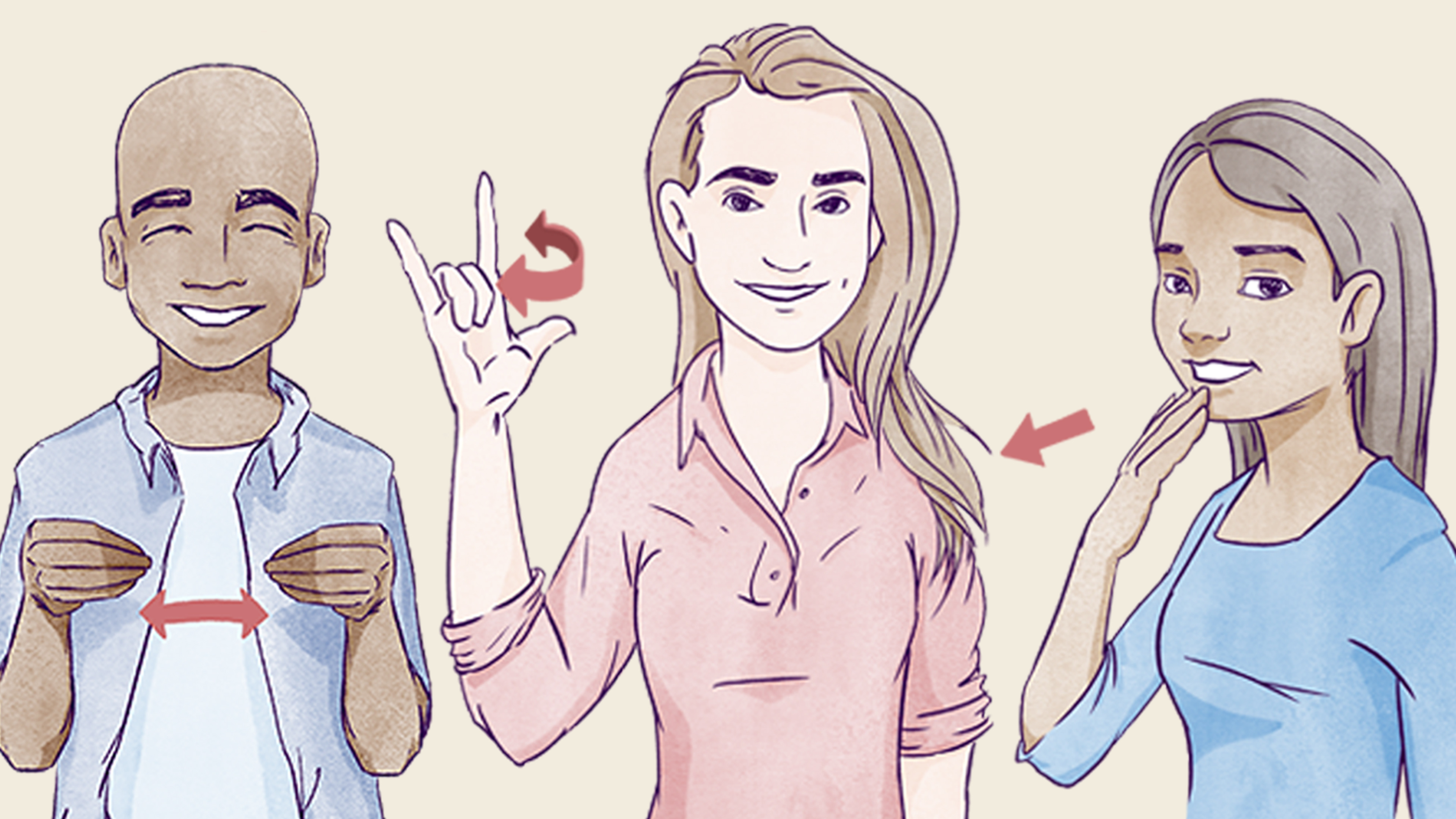
Baby sign language gives infants a way to communicate before they develop spoken language skills. Babies can learn and use signs between 6 and 12 months old, often earlier than they speak their first words.
Research shows that teaching babies signs reduces frustration for both parent and child. Babies develop the fine motor control needed for signing before the oral motor skills required for speech. This means they can tell you they're hungry, tired, or want more milk weeks or months before saying those words aloud.
The benefits extend beyond communication. Studies indicate that babies exposed to sign language may develop stronger vocabulary overall and earlier language comprehension. They also experience fewer meltdowns when their needs are understood quickly.
Starting is simple. Parents teach signs consistently during everyday routines. Common first signs include "milk," "more," "all done," and "sleep." The process requires repetition and patience, but most babies begin signing back within weeks of consistent exposure.
Sign language works alongside spoken language, not instead of it. Parents typically sign while speaking, allowing babies to learn both simultaneously. This approach works for all families, not just those with deaf relatives.
Resources like visual guides and step-by-step tutorials help parents learn basic signs to teach their babies effectively.