Couples planning to conceive benefit from understanding basic fertility science. The timing of intercourse matters. Sex during the fertile window, which spans five days before ovulation and the day of ovulation itself, increases pregnancy odds substantially.
Beyond timing, lifestyle factors influence conception success. Regular exercise, healthy weight maintenance, stress reduction, and adequate sleep support fertility in both partners. Nutrition plays a role too. Women benefit from prenatal vitamins containing folic acid starting before conception, which reduces neural tube defects by up to 70 percent.
Men should know their habits affect sperm health. Smoking, heavy alcohol use, and prolonged heat exposure (tight underwear, hot tubs) can lower sperm count and motility. Both partners benefit from limiting caffeine and avoiding recreational drugs.
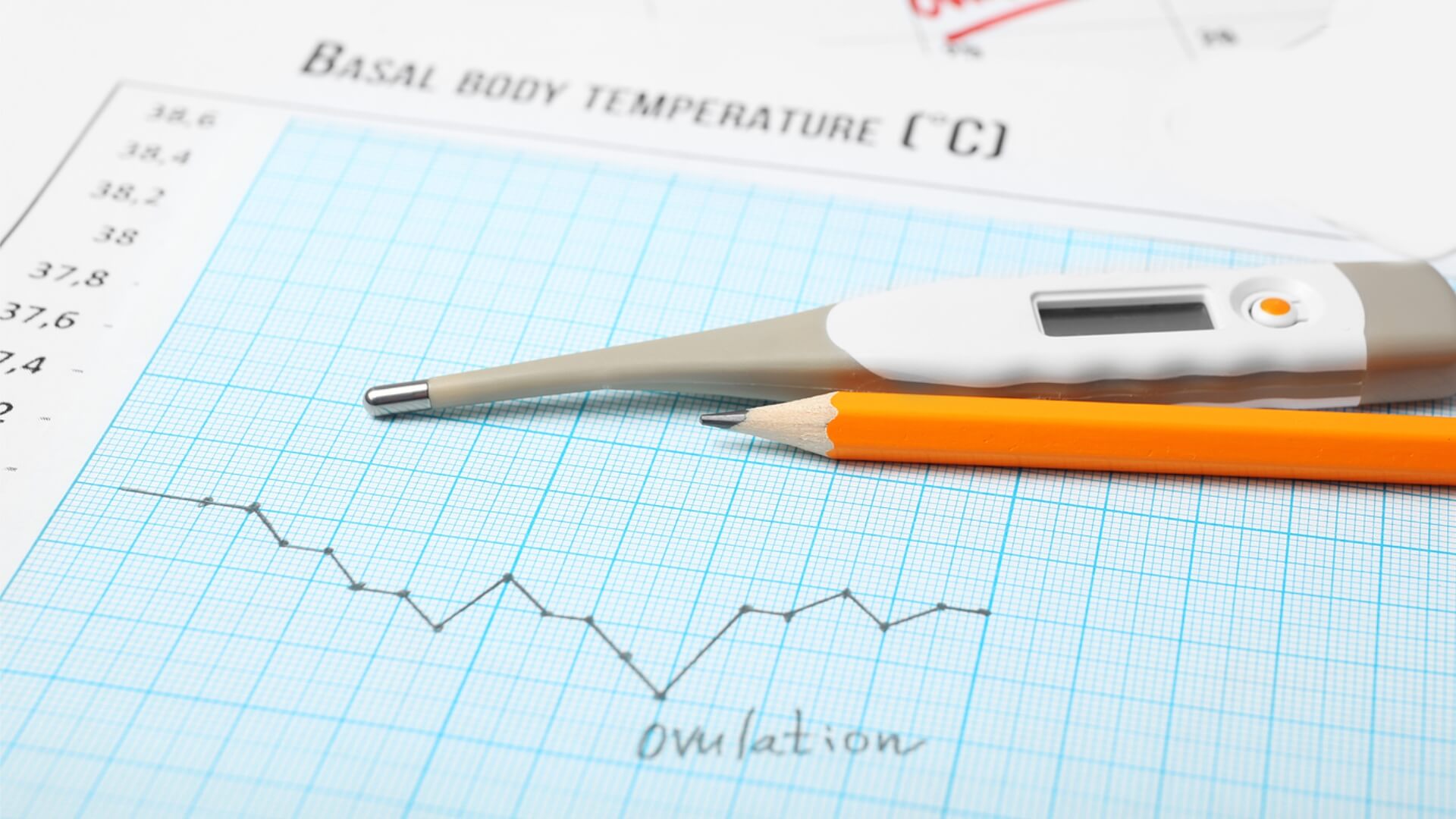
Tracking ovulation helps couples time intercourse effectively. Methods include monitoring basal body temperature, cervical mucus changes, or using ovulation predictor kits. Apps can help identify the fertile window based on cycle length.
If couples have tried for over a year without success (or six months if the woman is over 35), consulting a fertility specialist makes sense. Many fertility issues respond well to treatment, and early evaluation prevents delays in family planning.