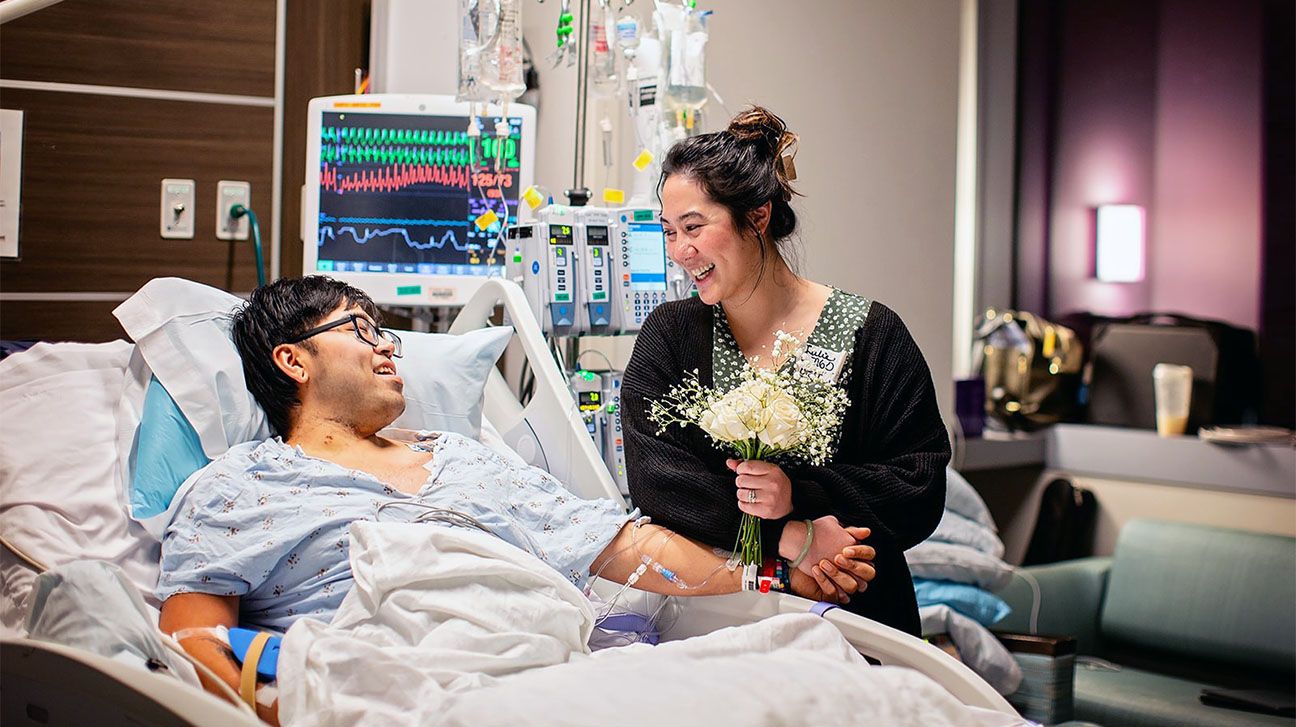
Daniel Phan faced a choice that most people never have to make. Hospitalized in heart failure and waiting for lifesaving surgery, he decided to marry his girlfriend Julia in the ICU rather than wait for a healthier day that might never come.
The couple exchanged vows bedside, with medical staff witnessing their commitment. Phan's condition was serious enough that the surgery couldn't wait. He spent days connected to machines that kept him stable while doctors prepared to operate. Julia stayed by his side through the uncertainty.
Their decision reflects a deeper truth about serious illness. When health crises hit suddenly, the future becomes unpredictable. Waiting for the "right time" isn't always an option. Some couples face similar moments when a spouse receives a grave diagnosis or an accident changes everything overnight.
What makes their story resonate is its ordinariness. Millions of families navigate life-altering medical events every year. Heart failure affects about 6.7 million American adults, according to the CDC. Many of those patients are young enough to have partnerships, families, and dreams they want to protect.
For parents and partners watching someone they love face serious illness, Phan and Julia's choice offers perspective. Medical crises force conversations that couples often postpone. What matters most? What do you want witnessed and remembered? What protections do you want in place for your children or future?
Hospital staff who supported their ICU wedding demonstrated something hospitals can offer beyond medicine. Creating space for human connection and dignity during crisis care acknowledges that illness doesn't erase life's meaning. The vows exchanged there weren't a victory over heart failure. They were a statement that illness doesn't dictate what gets to matter.
Phan's recovery would depend on his medical team's skill and his own body's response to treatment. But Julia's presence and their commitment to each other weren't luxuries