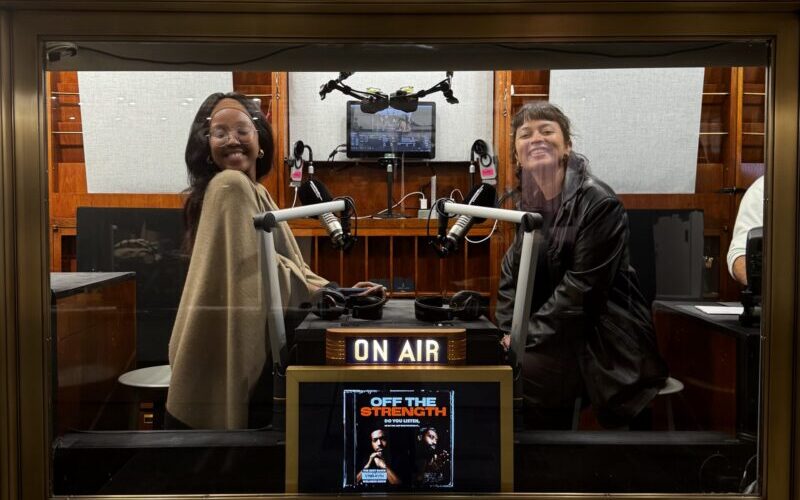
# Audio Storytelling Opens New Doors for Mental Health Awareness
The Child Mind Institute explores how storytelling, particularly in audio format, reaches families and builds mental health awareness in ways traditional education cannot.
Storytelling taps into how humans naturally process and retain information. Rather than delivering clinical facts about anxiety, depression, or ADHD, narratives help listeners connect emotionally to real experiences. Audio formats remove barriers. Parents driving carpools, kids on school buses, and families doing chores can absorb mental health content without requiring dedicated screen time or reading sessions.
Audio storytelling works because it meets people where they already are. Podcasts, audiobooks, and audio apps integrate into daily routines seamlessly. A parent learning about their child's anxiety diagnosis can listen to someone else's comparable journey while cooking dinner. A teen struggling with perfectionism hears a peer's story during a morning run. This accessibility matters enormously for families who might never attend a therapy appointment or read a parenting book.
The Child Mind Institute, a leading nonprofit focused on child mental health, recognizes that awareness itself prevents suffering. When families hear authentic narratives about mental health challenges, several things shift. Shame decreases. Parents feel less alone. Children understand their experiences are valid and treatable. Schools and communities build empathy for neurodivergent students and those with mental illness.
Effective audio storytelling includes multiple voices. Clinicians explain what's happening. Parents describe their perspective. Young people talk about what helped them. This layered approach builds comprehensive understanding without feeling preachy.
For families seeking mental health resources, audio storytelling offers an entry point. It normalizes conversations about mental health while providing practical insights. Parents gain language to discuss emotions with their children. Kids learn coping strategies from relatable voices rather than authority figures.
THE TAKEAWAY: Audio storytelling bypasses resistance by meeting families in their actual