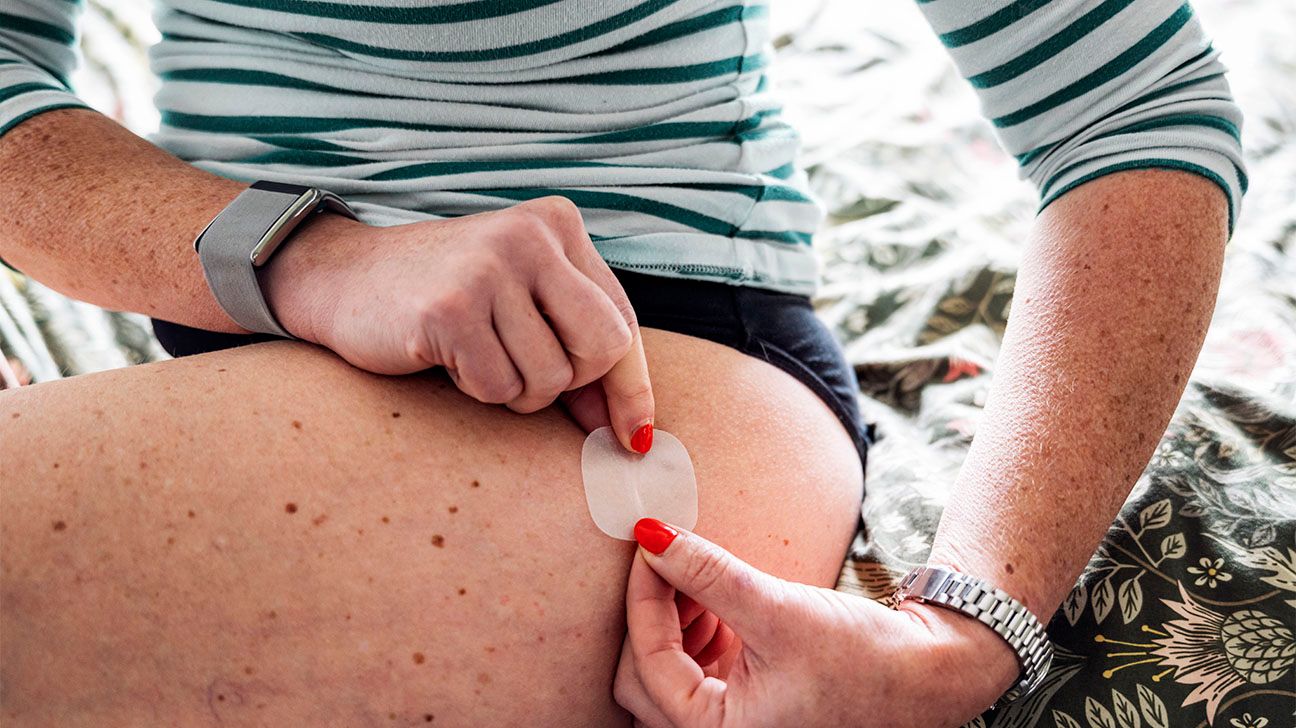
# Menopause Estrogen Patches Face Supply Shortages. Here's What to Know
Estrogen patches used to manage menopause symptoms are experiencing supply disruptions, leaving women and their doctors searching for alternatives. The patches, which deliver consistent hormone levels through the skin, have become a preferred treatment option for hot flashes, night sweats, and mood changes during menopause.
The shortage stems from manufacturing constraints and increased demand as more women seek hormone replacement therapy (HRT) options. Women who rely on patches for symptom relief now face potential gaps in treatment.
**Other effective options exist.** Doctors can prescribe estrogen in pill form, creams, gels, or vaginal rings, each delivering hormones through different routes. Oral estrogen tablets remain widely available and work well for many women. Estrogen creams and gels offer flexibility and allow dose adjustments. The vaginal ring releases consistent estrogen and works particularly well for localized symptoms like vaginal dryness.
Non-hormonal medications provide another route. SSRIs like paroxetine (Paxil) reduce hot flashes in some women. Gabapentin, typically used for nerve pain, helps manage hot flashes and night sweats. Clonidine, a blood pressure medication, also eases menopausal symptoms.
Lifestyle strategies complement medical treatment. Regular exercise, stress management, adequate sleep, and limiting caffeine and alcohol all reduce symptom severity. Layering clothing and keeping bedroom temperatures cool offer practical relief.
Women currently using estrogen patches should contact their doctors before supplies run out. Switching between delivery methods works smoothly when planned with medical guidance. Doctors can assess individual health profiles and recommend the best alternative based on symptom severity, side effect tolerance, and personal health history.
The shortage underscores the importance of maintaining open communication with healthcare