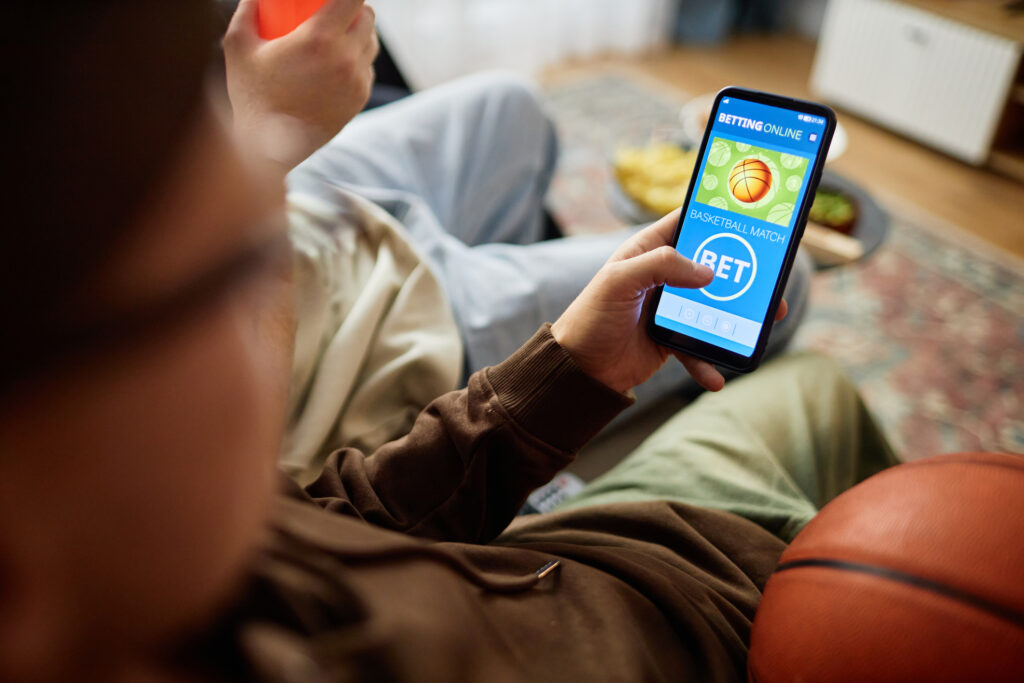
Underage teens are accessing online gambling platforms in growing numbers, despite age restrictions that require players to be at least 18 or 21 depending on the state. The problem appears concentrated among teenage boys, according to reporting from the Child Mind Institute.
Online sportsbooks, casino apps, and betting sites use weak age verification systems that teens easily circumvent. Many teens use parents' payment methods or create accounts with false information. The accessibility mirrors how young people access other restricted digital content.
Matt Missar, LCSW, a clinical social worker cited in the reporting, emphasizes that underage gambling carries real developmental risks. Adolescent brains are still forming reward pathways and impulse control centers. Gambling exploits these vulnerabilities, creating addiction potential higher than in adults.
The financial stakes matter too. Teens lack income stability and emotional regulation around money. Losses can trigger shame and secrecy rather than help-seeking. Some teens hide significant debts from parents.
Parents should talk openly about gambling without judgment. Ask if their teen has placed bets, used betting apps, or been invited into group betting. Many teens encounter gambling through peer pressure or social media influencers who promote sportsbooks.
Red flags include increased screen time on betting sites, mood changes after losses, requests for money without clear explanation, or secretive phone use. Teens may use euphemisms like "the pick" or "parlay" when discussing bets.
Prevention requires three layers. Set clear family expectations about gambling being off-limits until legal age. Monitor app downloads and payment methods. Finally, help your teen understand how betting companies use psychological tricks to keep users engaged.
The Child Mind Institute recommends consulting a therapist if your teen shows signs of problem gambling: chasing losses, lying about betting activity, or betting with money needed for essentials. Gambling disorder in adolescents responds well to cognitive