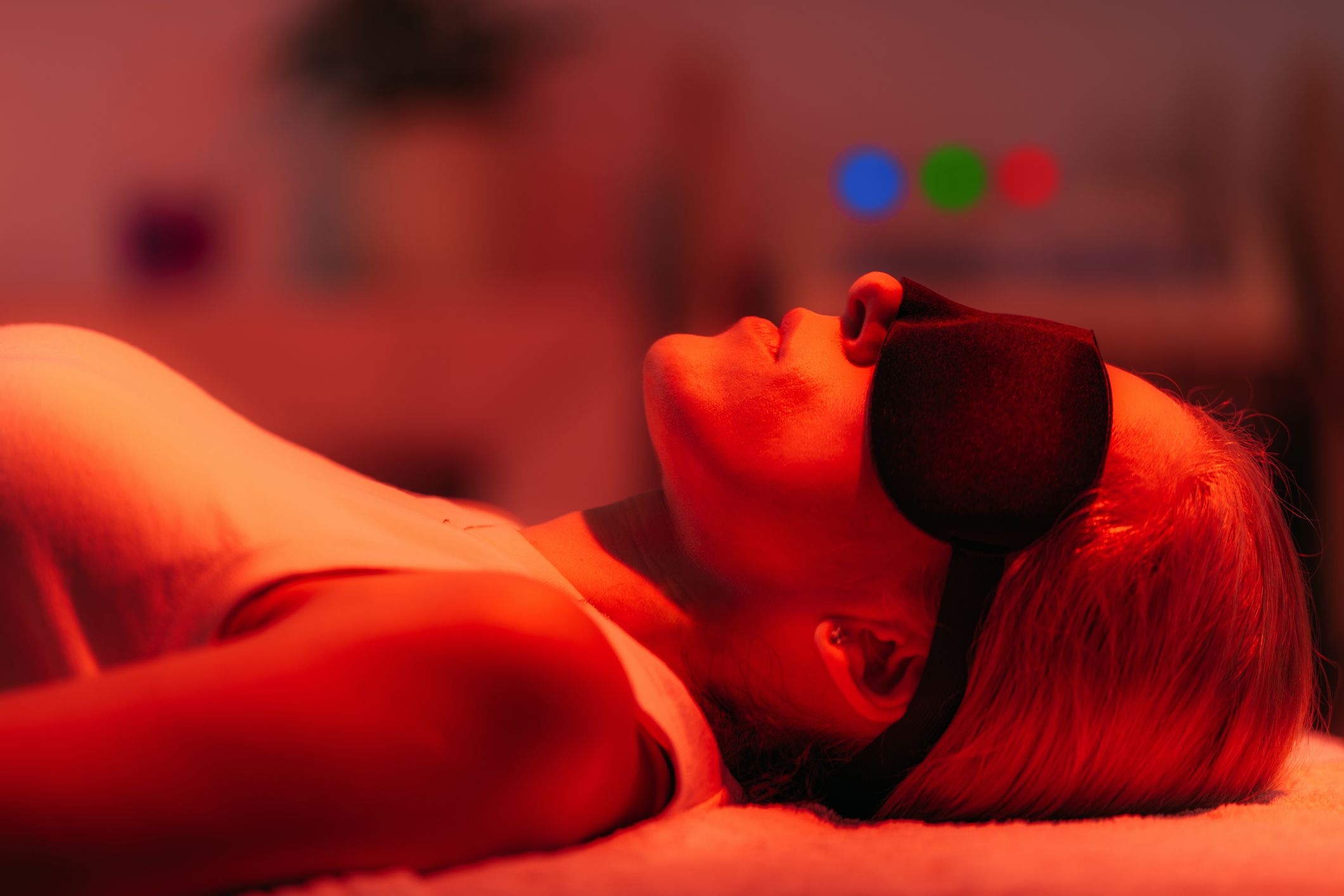
# How Red Light Therapy Works and 6 Benefits to Know, According to Dermatologists
Red light therapy uses wavelengths between 600 and 1,000 nanometers to penetrate the skin and stimulate cellular function. Dermatologists explain that this non-invasive treatment activates mitochondria in skin cells, boosting energy production and triggering healing responses.
The therapy offers six primary benefits. It reduces fine lines and wrinkles by increasing collagen production. It minimizes inflammation and redness associated with acne and rosacea. It accelerates wound healing and supports skin repair after procedures. It diminishes hyperpigmentation and age spots. It improves overall skin texture and firmness. It reduces hair loss by stimulating hair follicles.
Red light therapy works through a process called photobiomodulation. When light penetrates skin layers, it activates an enzyme called cytochrome c oxidase in cell mitochondria. This triggers ATP production, the cellular energy currency that powers repair and regeneration.
Treatment frequency matters. Most dermatologists recommend sessions of 10 to 20 minutes, two to five times weekly, though results typically emerge after several weeks of consistent use. At-home devices range from $50 masks to $500 panels, while professional treatments cost $100 to $300 per session.
Certain people should avoid red light therapy. Those taking photosensitizing medications like doxycycline should check with their doctor first. People with active herpes outbreaks may experience flare-ups. Pregnant women and those with a history of skin cancer should consult dermatologists before starting treatment.
The evidence supporting red light therapy continues growing. Studies published in dermatology journals demonstrate measurable improvements in skin elasticity and collagen density. However, results vary based on individual skin type, treatment consistency