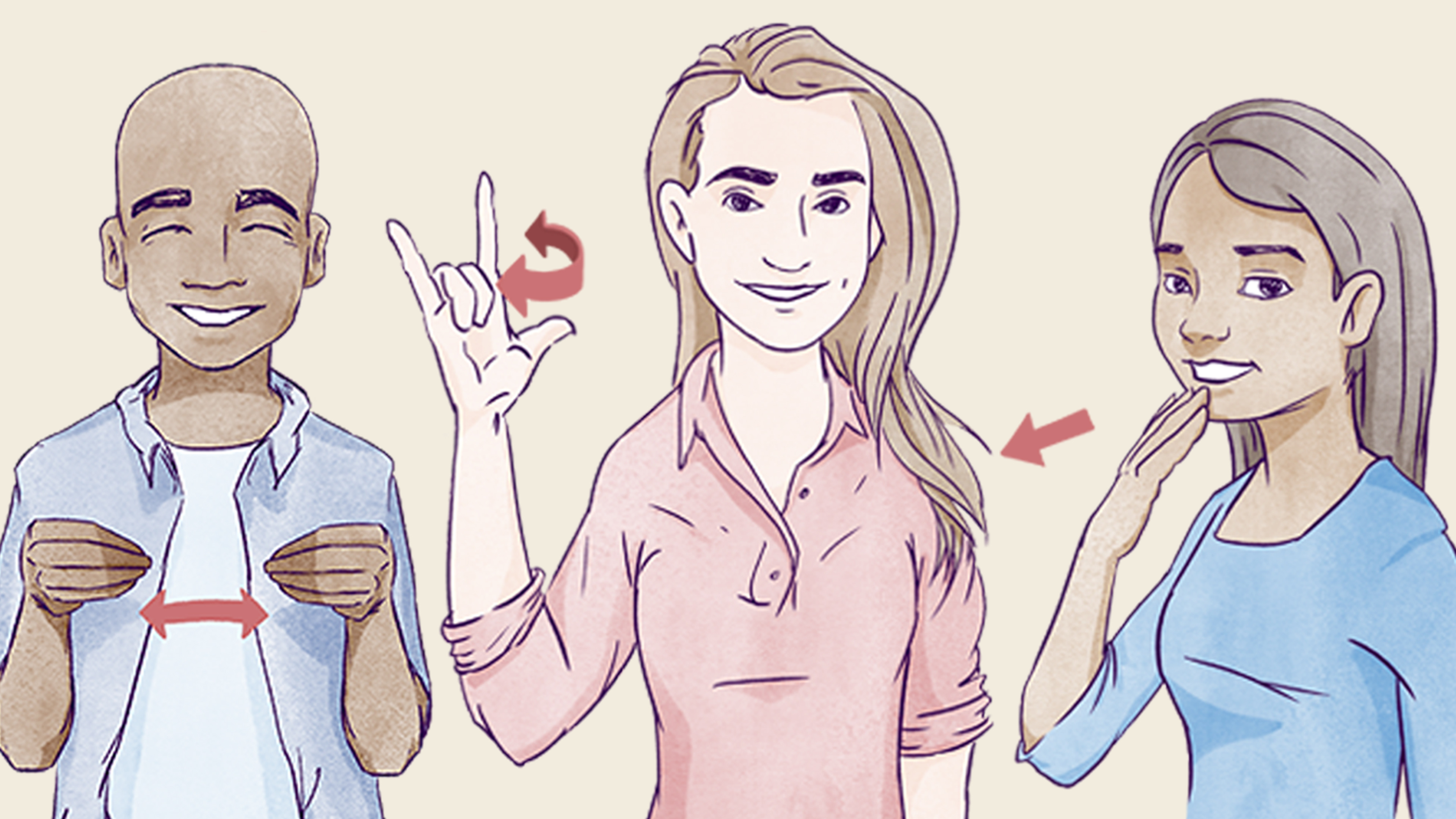
Baby sign language helps infants communicate weeks or months before they speak their first words. Babies as young as 6 months old can learn simple signs like "more," "milk," and "all done," reducing frustration for both child and parent.
Research supports this approach. Studies show that babies who learn sign language early experience fewer tantrums because they can express needs and wants through gestures. The American Academy of Pediatrics recognizes sign language as a legitimate developmental tool alongside spoken language.
Common first signs include "more" (touching fingertips together), "milk" (squeezing a fist), "all done" (both hands open, palms down), and "please" (rubbing chest in circles). Parents teach these through repetition and pairing them with verbal words during everyday routines like feeding, diaper changes, and playtime.
The beauty of baby sign language lies in its simplicity. You don't need formal training or to learn American Sign Language fluently. Baby sign uses modified gestures that toddlers can actually produce with their developing motor skills. A baby's hands develop faster than their mouth and vocal cords, making signing accessible earlier than speech.
Starting around 6 months works best, though babies typically don't sign back until 8 to 12 months. The key is consistency. Use the same sign every time you say a word, and other caregivers should do the same. Within weeks, many babies catch on.
Parents report that teaching signs creates a special bonding moment and gives babies agency. When a toddler can sign "more banana," they feel heard and understood. This early communication success builds confidence that extends into spoken language development.
Baby sign language doesn't delay speech. Research finds bilingual babies who know sign and spoken language develop both normally. The extra communication pathway actually supports overall language development.
A visual cheat sheet with the top