# Trying to Conceive Tips: Do This If You're TTC
Couples trying to conceive face a common set of questions: When should we have sex? How do we improve fertility? These questions matter because timing and health habits genuinely affect pregnancy odds.
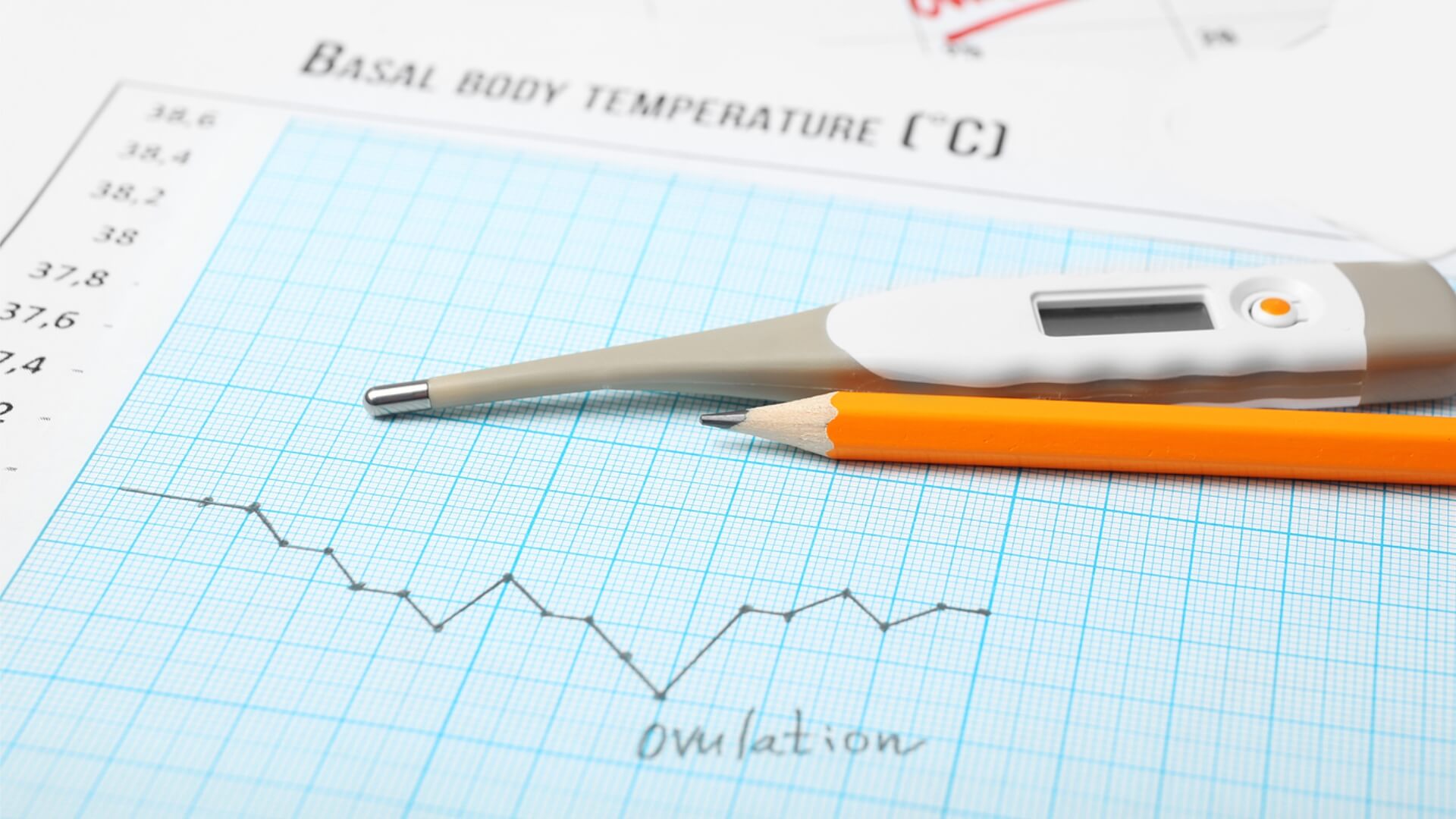
The most evidence-backed fertility advice centers on understanding your cycle. Ovulation typically happens 12 to 16 days before your next period starts. Having sex during your fertile window, the five days leading up to ovulation plus ovulation day itself, significantly raises conception chances. Tracking ovulation through basal body temperature, cervical mucus changes, or ovulation predictor kits removes guesswork from the process.
Beyond timing, lifestyle factors move the needle on fertility. Regular exercise improves egg and sperm quality. A diet rich in whole grains, lean proteins, fruits, and vegetables supports reproductive health. Research from the Harvard School of Public Health found that women eating diets high in trans fats had lower fertility rates, while those consuming plant-based proteins showed better outcomes.
Sleep quality matters too. Poor sleep disrupts hormones that regulate ovulation. Aim for seven to nine hours nightly. Stress reduction through meditation, yoga, or counseling can help, since high cortisol levels interfere with fertility hormones.
For men, sperm health depends on similar factors: moderate exercise, healthy diet, adequate sleep, and stress management. Heat exposure from tight clothing or frequent hot baths temporarily reduces sperm count, so loose boxer shorts and cooler habits help.
Women should also check preconception health basics: get a gynecology checkup, review medications with your doctor, ensure rubella immunity, and start prenatal vitamins containing folic acid before conception. Folic acid prevents neural tube defects and supports fertility.
Limit alcohol and eliminate smoking. Both partners should discuss caffeine intake, as