# Lucy Liu's Breast Cancer Misdiagnosis: A Reminder to Question Medical Diagnoses
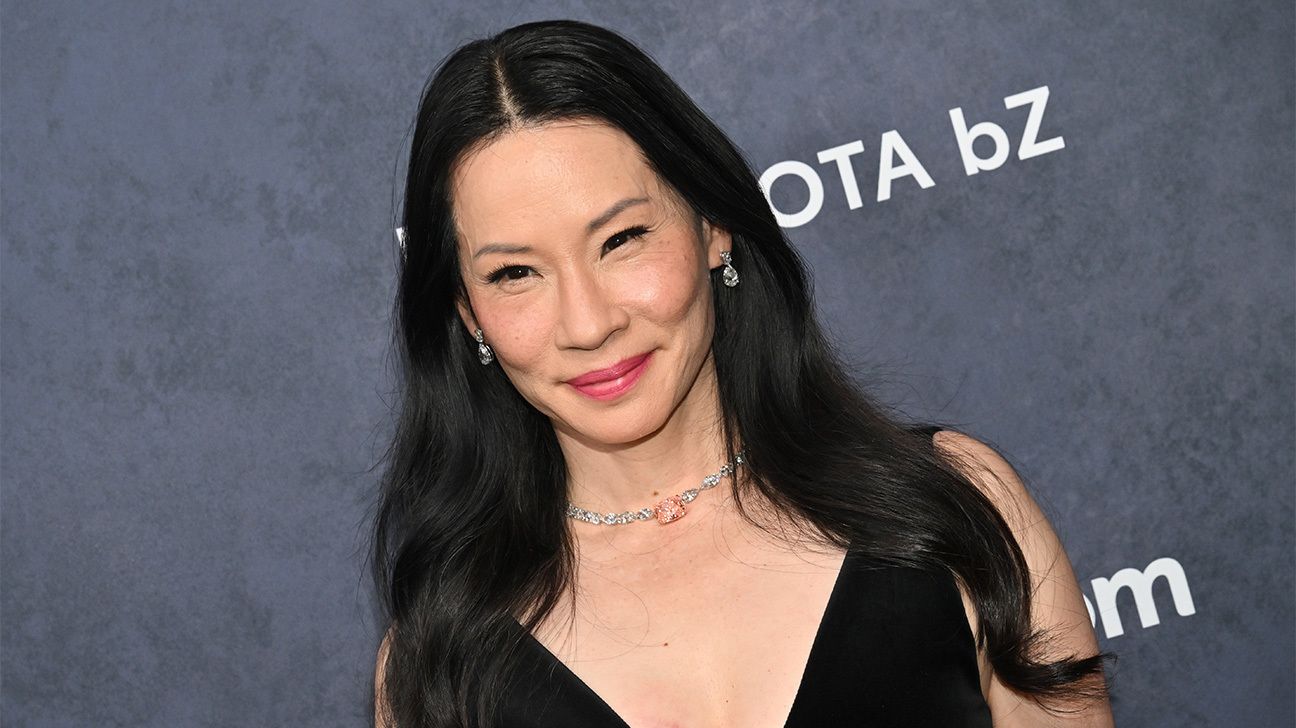
Actor Lucy Liu underwent unnecessary breast surgery at age 22 after receiving a misdiagnosis. She did not have breast cancer, despite what initial tests suggested. Now in her 50s, Liu is using her platform to encourage people to seek second opinions before undergoing major medical procedures.
Liu's experience highlights a real problem in healthcare. Diagnostic errors happen across all medical specialties, and breast imaging is no exception. Radiologists and pathologists sometimes interpret imaging results or biopsies differently, leading to conflicting conclusions about whether cancer is actually present.
The actor's message aligns with guidance from major medical organizations. The American Cancer Society and the American College of Radiology both recommend that patients with serious diagnoses seek additional expert review before treatment begins. A second opinion from another qualified oncologist or radiologist can confirm or challenge the initial diagnosis and help patients make informed decisions about their bodies.
For parents of adult children, this story carries a lesson about advocating for thorough medical evaluation. Young adults who receive cancer diagnoses should feel empowered to ask questions, request imaging scans be reviewed by another specialist, and understand what any biopsy results actually show before consenting to surgery.
Liu's openness about her misdiagnosis removes stigma from asking for clarity. Many patients worry that questioning their doctor's judgment might offend them or damage the relationship. In reality, reputable physicians welcome second opinions. They understand that medical decisions, especially surgery, deserve careful consideration.
For anyone facing a cancer diagnosis, especially younger patients, the steps are straightforward. Request copies of all imaging studies and pathology reports. Take those materials to another board-certified specialist at a different institution. Wait for confirmation before scheduling surgery.
Liu's advocacy comes at a time when early detection efforts sometimes lead to overdiagnosis