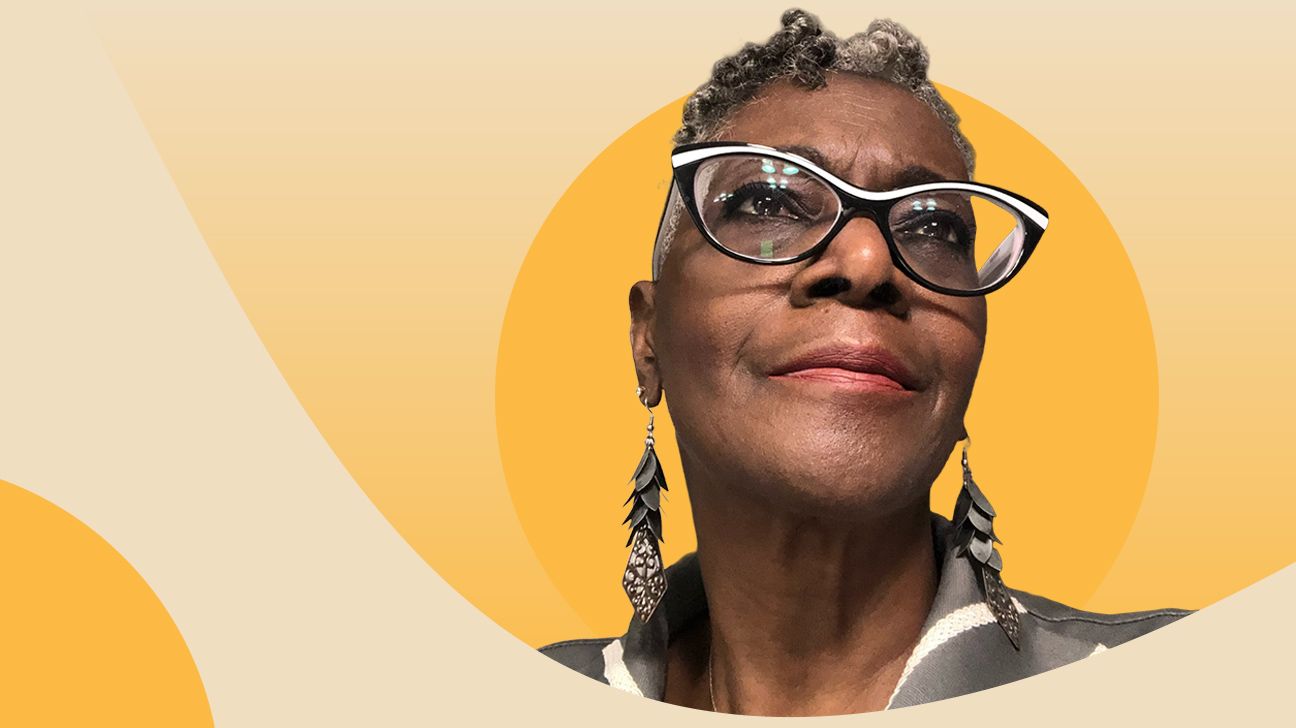
Barbara Roberts received her HIV diagnosis in 1996 and has now lived with the virus for 30 years. Today at 74, she represents a growing population of people aging with HIV who benefit from modern antiretroviral treatments that extend both lifespan and quality of life.
Roberts' story reflects a dramatic shift in HIV care. When she was diagnosed three decades ago, the prognosis looked bleak. Today, people with HIV who take medication as prescribed can have a normal life expectancy. The introduction of newer therapies, including a recently FDA-approved medication, offers Roberts and others like her simpler treatment regimens with fewer side effects.
Modern HIV medications work by suppressing the virus to undetectable levels, a state called "undetectable equals untransmittable" or U=U. People who maintain this status cannot pass HIV to sexual partners. This breakthrough has transformed HIV from a terminal diagnosis into a manageable chronic condition.
For aging adults with HIV, medication adherence becomes easier with simpler pill regimens. Older adults often take multiple medications for other conditions like hypertension or diabetes, so reducing the number of HIV pills per day matters for health outcomes and daily life.
Roberts' continued good health also highlights the importance of regular medical care, exercise, and social connection. People living with HIV for decades report that staying engaged with healthcare providers, maintaining mental health, and building community support systems all contribute to their wellbeing.
The CDC estimates that nearly 1 in 4 Americans with HIV are age 50 or older. As this population grows, doctors face new questions about managing HIV alongside age-related conditions like bone loss, cardiovascular disease, and cognitive changes. Roberts' thriving status offers hope and practical proof that long-term HIV survival is not only possible but increasingly common with access to effective treatment.