# 7 Signs Your Gut May Be Out of Balance
Your child's mood swings, skin breakouts, and constant bloating might not be behavioral issues or allergies. They could point to gut imbalance, a condition that affects digestion, immunity, and mental health in children and teens.
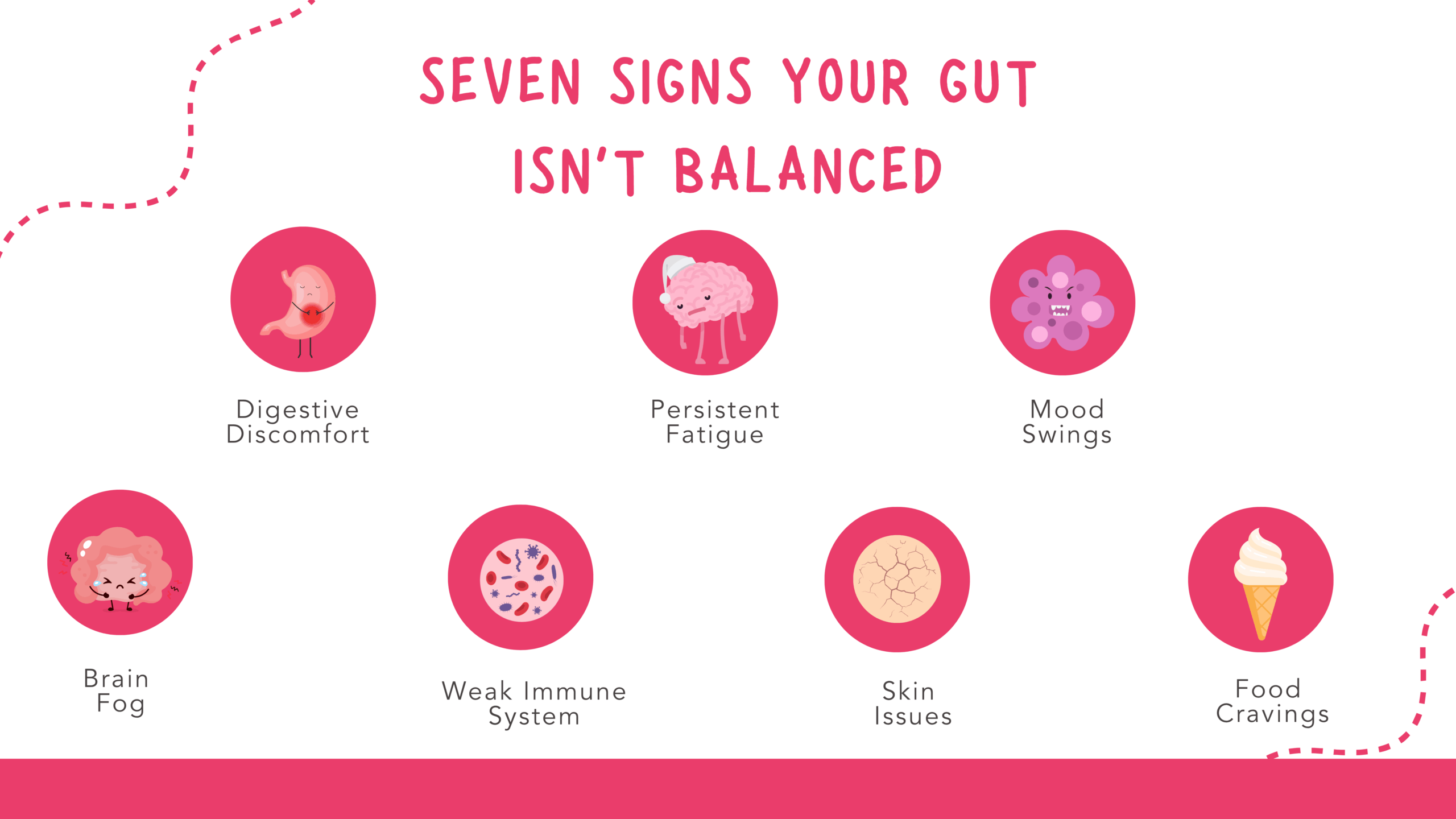
The gut microbiome—the community of bacteria living in the digestive tract—plays a larger role in overall health than most parents realize. When this balance tips, symptoms ripple across multiple body systems. Common signs include digestive issues like constipation or diarrhea, unexplained skin problems like eczema or acne, persistent fatigue, mood changes including anxiety or irritability, difficulty concentrating, frequent infections, and food sensitivities.
For parents, recognizing these patterns matters because gut health directly connects to brain health through the gut-brain axis. Research from institutions like the University of California has documented how microbiome imbalances correlate with behavioral challenges and anxiety in young people. When your child seems "off" without an obvious cause, the digestive system deserves attention.
Several factors disrupt gut balance in kids: antibiotics (which kill both harmful and helpful bacteria), processed foods high in sugar and low in fiber, insufficient water intake, stress, and lack of physical activity. Probiotic-rich foods like yogurt, kefir, sauerkraut, and kimchi introduce beneficial bacteria. Prebiotic foods like bananas, oats, garlic, and asparagus feed existing good bacteria.
Before adding supplements, talk with your pediatrician. They can rule out food allergies, intolerances, or infections that mimic gut imbalance. A registered dietitian specializing in pediatric nutrition can create an eating plan tailored to your child's needs.
Rebuilding gut health takes time, typically four to twelve weeks