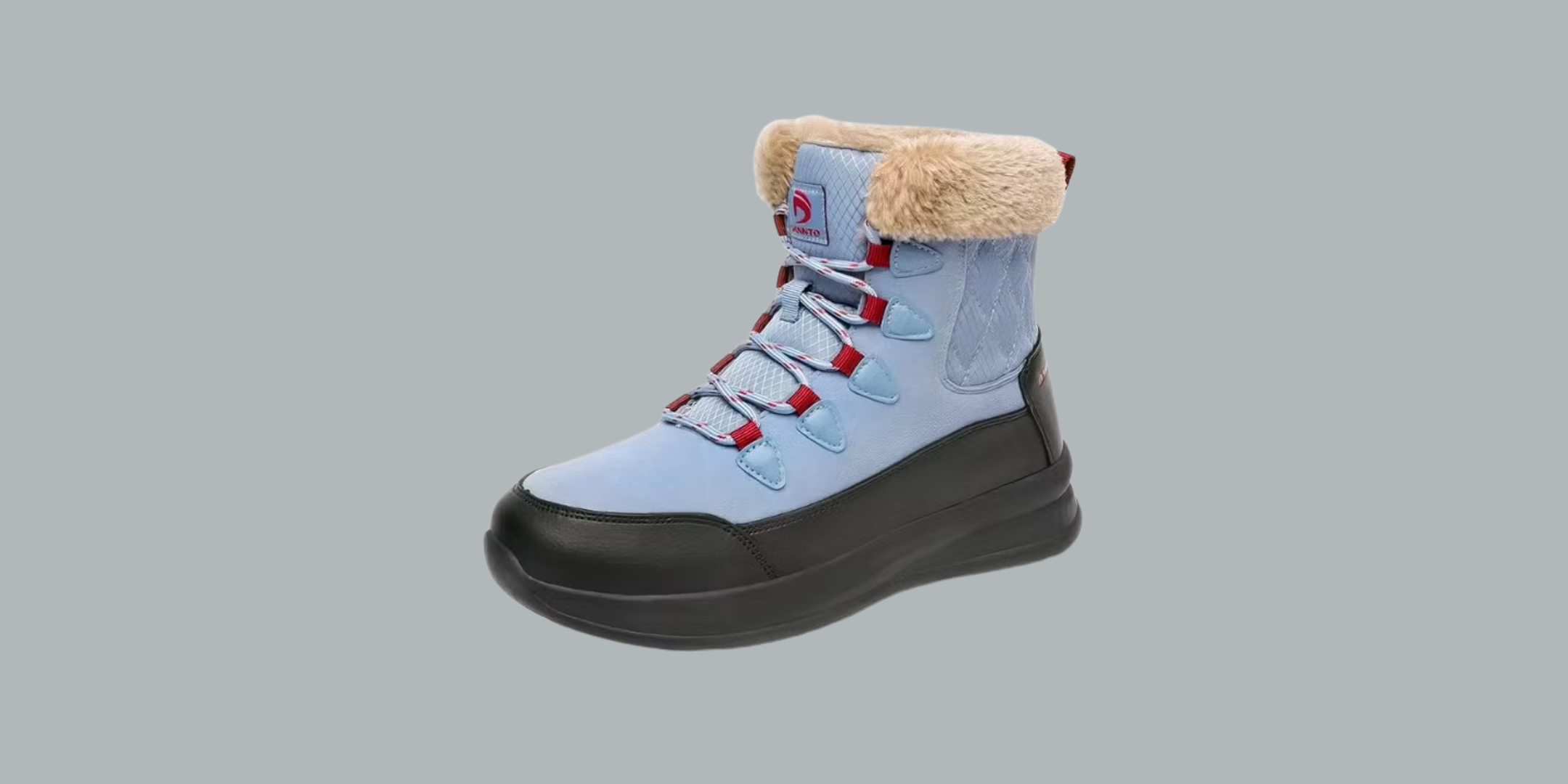
Pregnancy transforms your body in ways that extend far beyond your belly. Your center of gravity shifts, your joints loosen from hormonal changes, and swelling affects your feet and ankles. Winter adds another layer of complexity: slippery surfaces and the need for warmth without sacrificing stability.
The right winter boots matter more during pregnancy than most people realize. Podiatrists recommend boots with a wide toe box to accommodate swelling, which peaks in the third trimester. Arch support becomes non-negotiable. As your body prepares for labor, the hormone relaxin loosens ligaments in your feet, potentially causing flat feet or plantar fasciitis. Poor footwear during this vulnerable time can trigger pain that lingers postpartum.
Look for boots with slip-resistant soles. Falls during pregnancy carry serious risks, and icy sidewalks pose genuine danger. Your balance shifts with pregnancy, making non-slip treads essential rather than optional. Brands like Sorel and Keen design boots specifically for winter traction without the bulk that makes walking awkward.
Waterproof insulation keeps feet warm without tight compression. Avoid boots that squeeze your calves, as this restricts circulation when you already face increased swelling. Fur or fleece linings provide warmth, but ensure they allow some give as your feet swell throughout the day.
Look for easy fastening systems. Bending to tie laces becomes difficult in late pregnancy. Zip-up designs or pull-on boots with elastic panels solve this problem. Some boots feature adjustable closures that let you loosen them as the day progresses.
Heel height matters too. A slight heel (half to one inch) provides balance, but avoid anything higher. Flat boots or those with only a modest heel reduce strain on your lower back, which already bears extra weight.
Brands like UGG