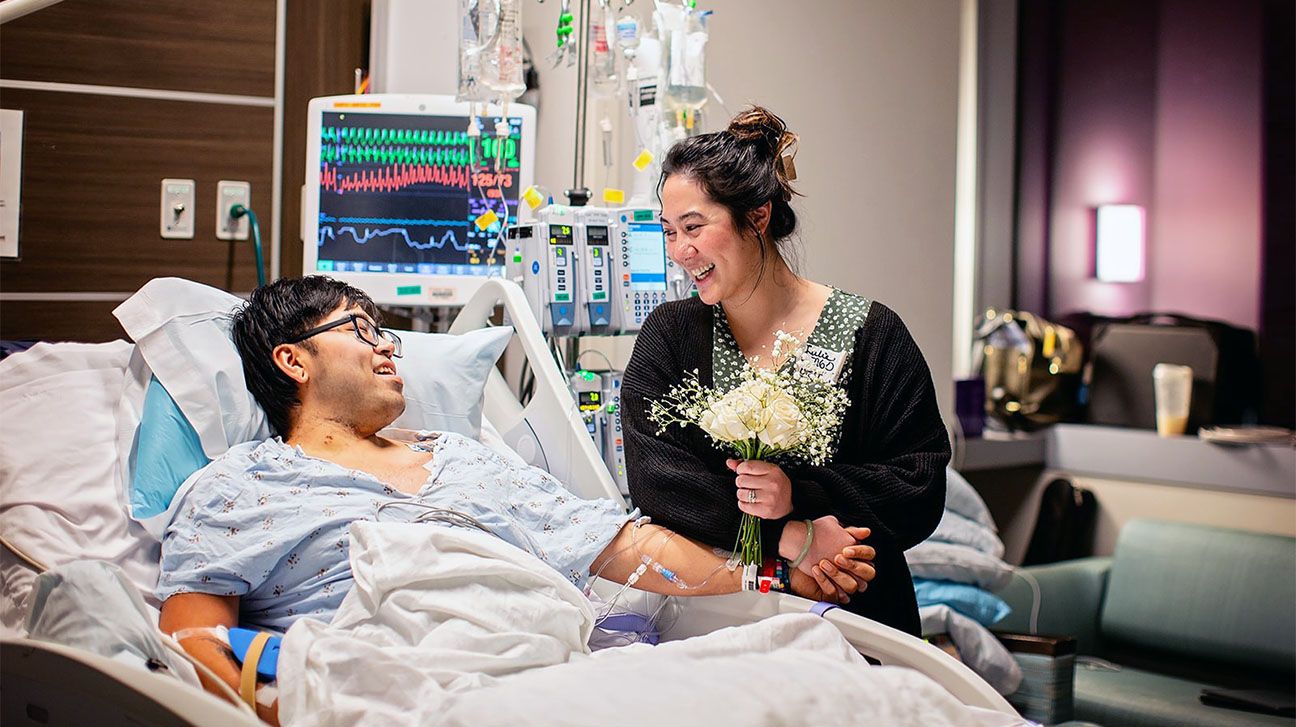
Daniel Phan faced a health crisis that would make most people pause their life plans. The 36-year-old was hospitalized with advanced heart failure, days away from surgery to save his life. Instead of waiting, he and his girlfriend Julia made an unexpected decision. They got married in the ICU.
The couple exchanged vows beside Phan's hospital bed, surrounded by medical equipment and staff. Their decision reflects a growing reality for families navigating serious illness. When health becomes uncertain, waiting for the perfect moment can mean missing moments altogether.
Heart failure remains one of the leading causes of hospitalization in the United States, affecting nearly 6 million adults according to the CDC. Patients often face extended hospital stays, multiple surgeries, and unpredictable recovery timelines. Phan's case illustrates how life-threatening conditions force families to reconsider their priorities and timelines.
Hospital marriages happen more often than many realize. Medical centers increasingly accommodate these ceremonies when patients have capacity to consent and participate. Staff involvement varies by facility, but many hospitals have protocols in place to support patients who want to marry during treatment.
For couples facing serious illness, legal marriage offers practical benefits beyond emotional connection. Married status affects hospital visitation rights, medical decision-making authority, and insurance coverage. In critical situations, these legal protections matter enormously.
Phan's willingness to proceed with marriage despite his health condition demonstrates resilience, though doctors carefully assess whether critically ill patients can make sound decisions about such commitments. Medical teams evaluate both physical capacity and mental clarity before supporting major life events in hospital settings.
The story resonates because it captures something many families understand. Illness strips away the nonessential. What remains is what truly matters. Whether couples choose hospital ceremonies or delay celebrations, serious health events reshape how families think about commitment, timing, and what constitutes a meaningful life milestone.
CATEGORY