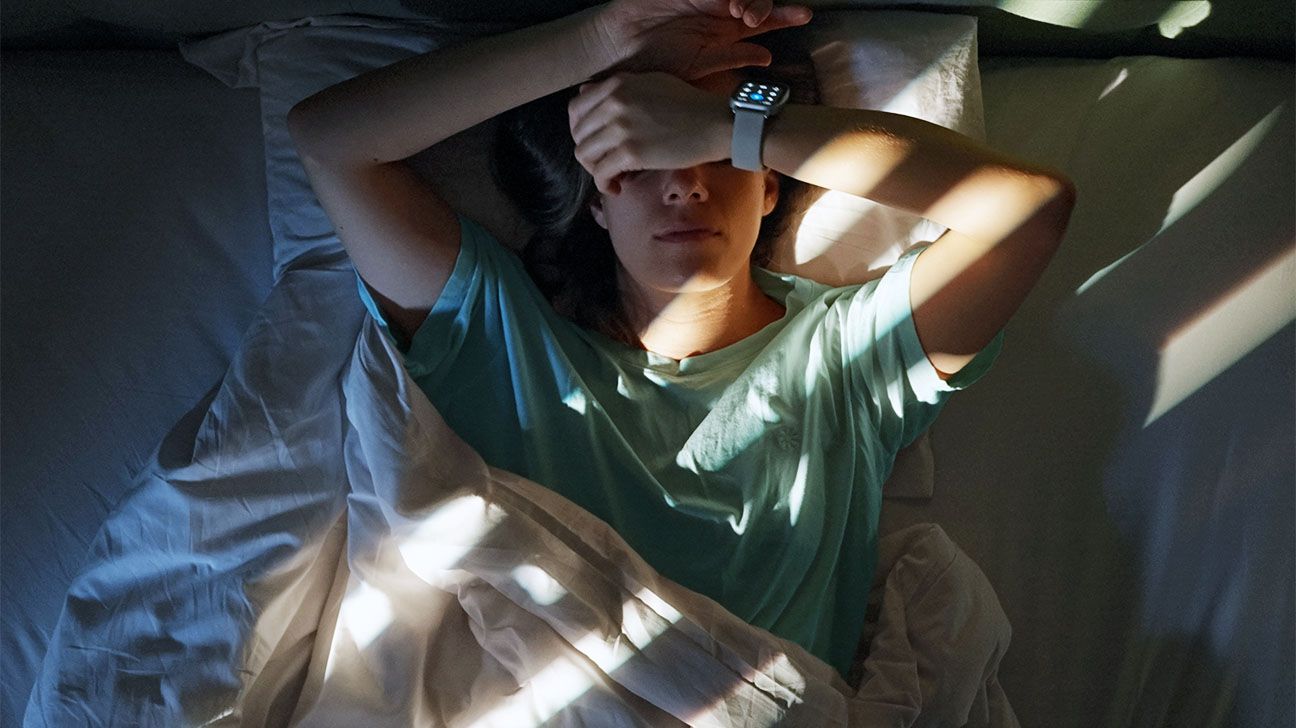
# Tracking Your Sleep Could Backfire If You Have Insomnia. Here's Why
Parents struggling with insomnia should think twice before downloading sleep-tracking apps and smartwatches. New research shows that obsessive monitoring of sleep data can actually worsen sleep problems rather than solve them.
Sleep tracking creates what researchers call "orthosomnia," a condition where people become so focused on hitting perfect sleep metrics that anxiety increases and sleep quality declines. The constant awareness of how poorly you're sleeping feeds a vicious cycle. You worry about not sleeping well, which keeps you awake longer, which generates more data confirming your fears.
For parents already running on fumes, this matters. Many adults turn to sleep apps and wearable devices hoping to understand and fix their exhaustion. Smartwatches like Apple Watch, Fitbit, and Oura Ring promise detailed sleep architecture tracking. Apps like Sleep Cycle and Calm offer insights into sleep stages and quality. But the research suggests these tools backfire for people with insomnia.
The problem intensifies when sleep trackers show inaccurate data. Most consumer devices underestimate total sleep time, which means the app tells you you're sleeping worse than you actually are. A parent who genuinely got five hours of sleep might see the tracker claim they got only three. This drives anxiety up further.
Behavioral sleep specialists recommend a different approach for insomnia sufferers. Cognitive behavioral therapy for insomnia (CBT-I) works better than tracking. This evidence-based treatment focuses on changing thoughts and behaviors around sleep rather than measuring every minute. Research shows CBT-I produces lasting improvements without the anxiety spike that tracking creates.
If you have chronic insomnia, skip the apps and smartwatches for now. Instead, talk with your doctor about CBT-I or connecting with a sleep specialist. The counter