# Why 'Ballmaxxing' May Be More Dangerous Than You Think
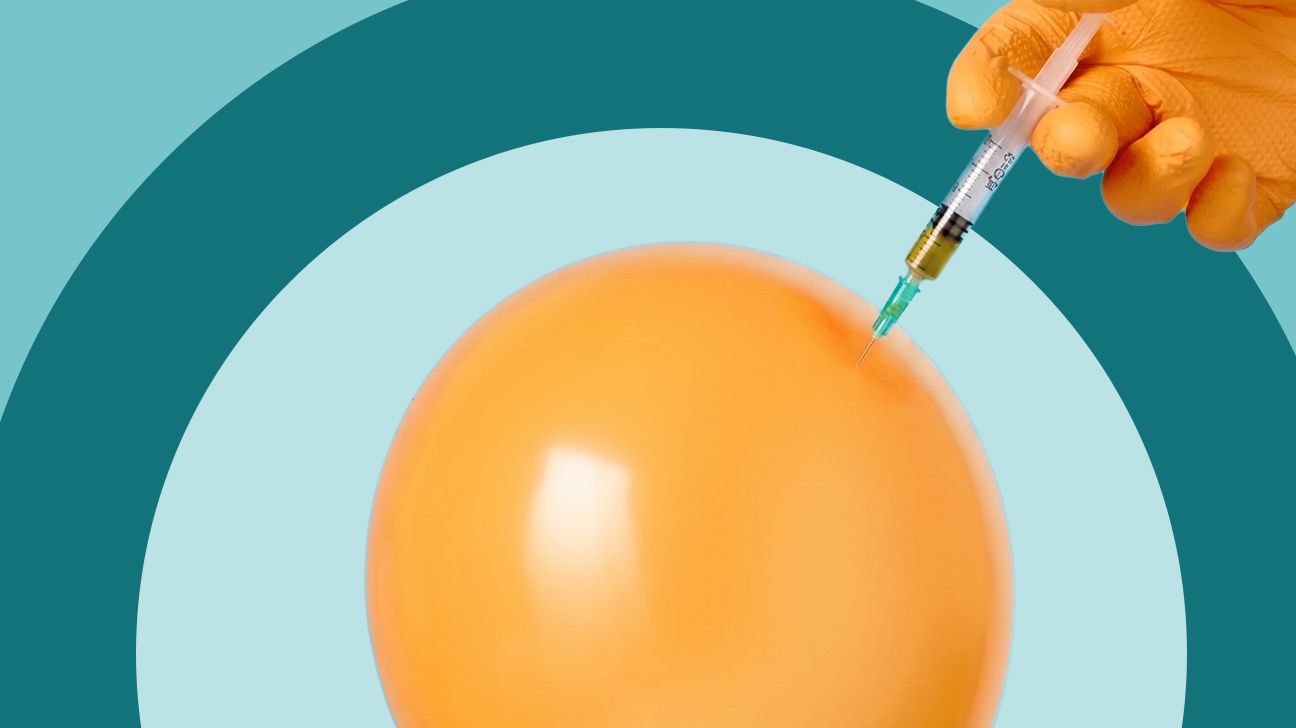
A dangerous trend called "ballmaxxing" is gaining traction online, particularly among teens and young adults seeking quick body modifications without medical supervision. The practice involves injecting saline solution or other substances into body tissues, typically the chest, buttocks, or arms, using balloons or syringes to create a temporary inflated appearance.
The risks are severe. Ballmaxxing can cause serious infections, including bacterial sepsis and staph infections. Improper injection technique damages blood vessels, nerves, and muscle tissue. Injected materials may migrate under the skin, creating hard lumps that require surgical removal. Some teens use non-sterile equipment, increasing infection risk exponentially.
Healthline reports that emergency room doctors now treat ballmaxxing injuries with growing frequency. The procedure leaves no room for error. Unlike legitimate medical procedures performed by licensed practitioners in sterile environments, ballmaxxing happens in bedrooms and basements with no safety protocols.
The psychological component matters too. Experts note that teens pursuing ballmaxxing often struggle with body image issues and seek validation through extreme physical changes. Social media amplifies this pressure. Videos showing the procedure generate thousands of views, normalizing something genuinely hazardous.
Parents should watch for warning signs. Red flags include unexplained swelling, bruising that doesn't fade, complaints of localized pain, or sudden changes in how teens discuss their bodies online. Open conversations about body image help. Teens need to know that their worth extends far beyond physical appearance.
If a teen has engaged in ballmaxxing, seek medical attention immediately if infection symptoms appear (fever, spreading redness, warmth at the injection site, pus). A dermatologist or plastic surgeon can assess damage and recommend treatment.
The bottom line: ballmaxxing offers