# Could Eating Your Fruits and Veggies Really Give You Lung Cancer?
A recent study has raised concerns about pesticide residues on produce, prompting questions about whether conventional fruits and vegetables pose health risks. Researchers found detectable pesticide levels on many commonly eaten crops, leading some to worry about long-term exposure.
The concern centers on organophosphate pesticides, chemicals used widely in agriculture to control insects. Studies suggest chronic exposure to these compounds may affect lung health, particularly in people with genetic vulnerabilities. However, experts emphasize that residue levels on produce typically fall well below safety thresholds set by the FDA and EPA.
"The doses matter enormously," explains toxicologist Linda Birnbaum, former director of the National Institute of Environmental Health Sciences. Eating produce with trace pesticide residues poses vastly different risks than occupational exposure faced by farmworkers.
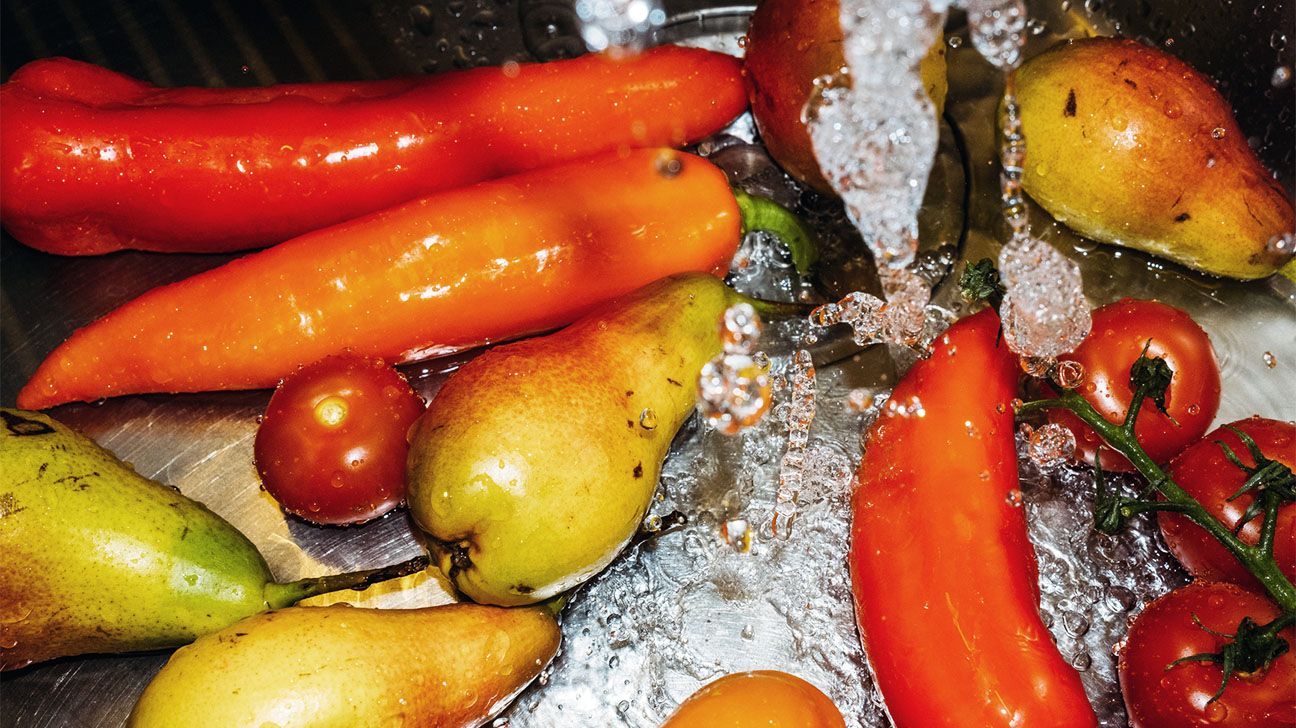
For families concerned about pesticides, practical steps include washing produce under running water, peeling when possible, and varying which fruits and vegetables you buy. Organic produce does contain fewer synthetic pesticides, though it's not pesticide-free.
The broader health picture matters here. Research consistently shows that eating fruits and vegetables dramatically reduces risk for heart disease, diabetes, and many cancers. The benefits of regular produce consumption far outweigh theoretical risks from minimal pesticide exposure.
Dr. David Katz, preventive medicine specialist, notes that avoiding produce due to pesticide concerns backfires. "People who don't eat enough vegetables face genuine, documented health risks," he says.
The FDA regularly tests produce for pesticide residues and removes unsafe products from markets. Most conventional produce available in grocery stores meets safety standards designed to protect children and pregnant people, who face higher vulnerability.
Families can prioritize organic for the "Dirty Dozen" crops that typically carry higher residues: strawber