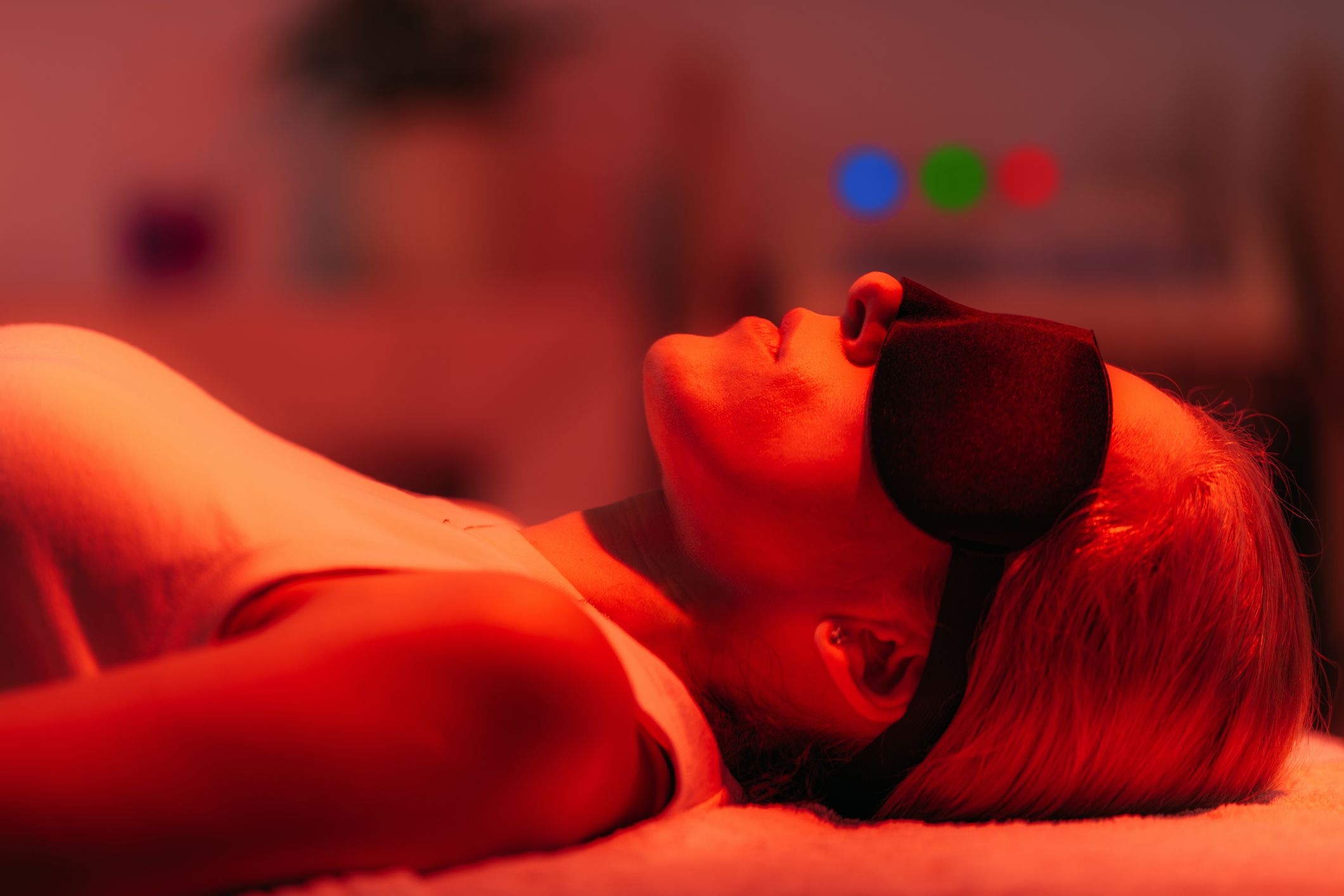
# Red Light Therapy: What Dermatologists Say Works
Red light therapy uses wavelengths between 600 and 700 nanometers to penetrate the skin and stimulate cellular activity. The treatment works by energizing mitochondria, the powerhouses of cells, which boosts collagen production and increases blood flow to treated areas.
Dermatologists identify six primary benefits. Red light therapy reduces fine lines and wrinkles by promoting collagen synthesis. It improves skin texture and firmness over time. The treatment accelerates wound healing by increasing oxygen delivery to damaged tissue. It decreases inflammation and redness, making it helpful for acne-prone skin. Red light therapy addresses age spots and hyperpigmentation. It also supports hair growth by stimulating follicles and improving scalp circulation.
The science backs modest results. Studies show consistent improvements in skin elasticity and reduction in fine lines after 8 to 12 weeks of regular use. Most dermatologists recommend 3 to 5 sessions per week for noticeable changes.
Red light therapy devices range from handheld panels costing $50 to professional-grade machines exceeding $1,000. At-home devices like the Revive Light Therapy or Theralight panels offer convenient options, though professional treatments at dermatology offices deliver stronger results with medical-grade equipment.
Certain people should skip red light therapy. Those taking photosensitizing medications including some antibiotics, NSAIDs, and acne treatments like isotretinoin need doctor clearance first. People with thyroid conditions should avoid directing light at the neck area. Pregnant women should consult their obstetrician, as research on safety during pregnancy remains limited. Anyone with a history of skin cancer or suspicious lesions requires dermatologist evaluation before starting treatment.
Red light therapy works best as part of a