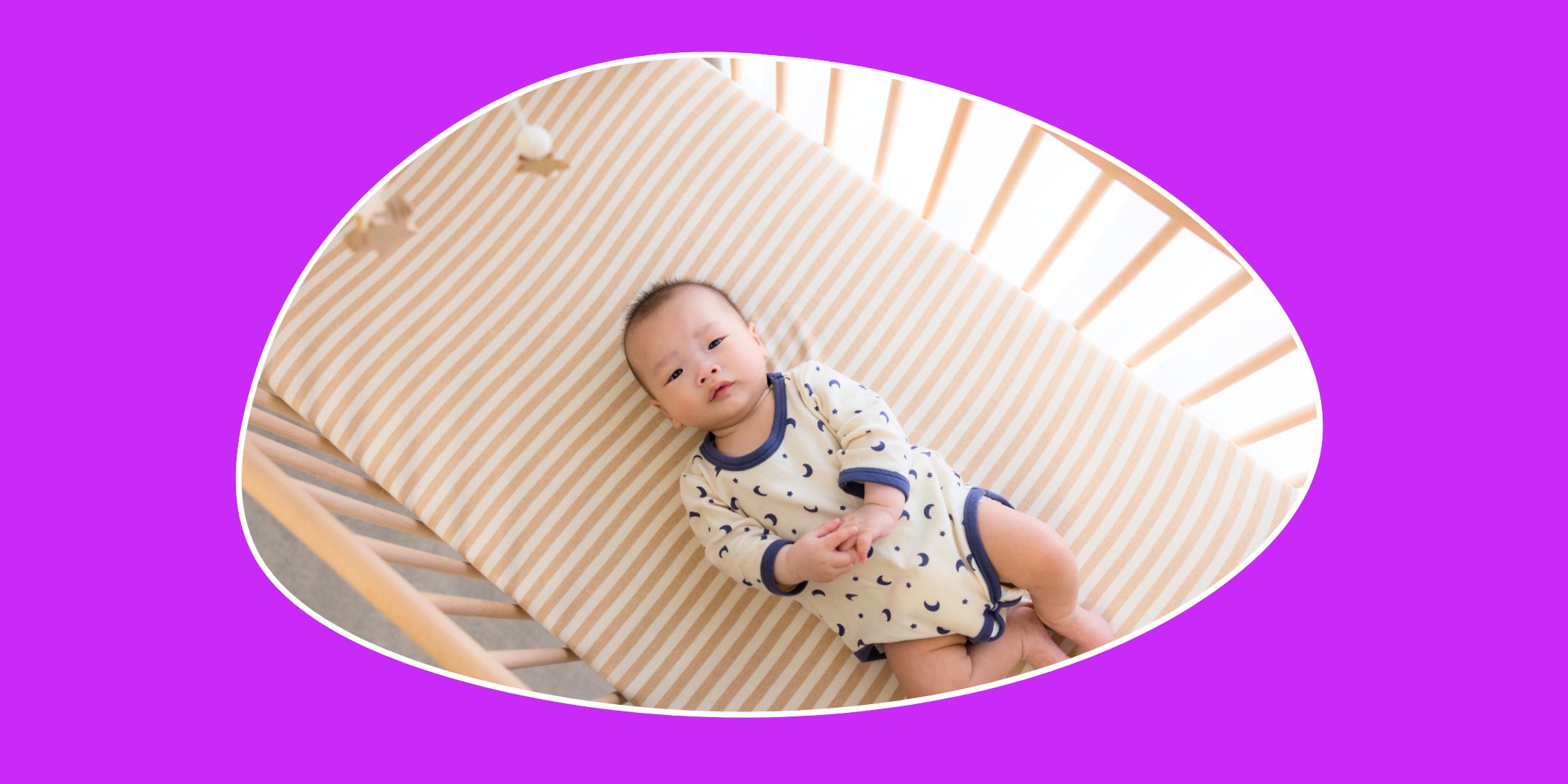
Babies who resist sleep aren't being difficult. They're often overtired, and that exhaustion actually makes falling asleep harder, not easier. Understanding why your baby fights sleep helps you address the root problem rather than just the symptom.
Overtired babies show specific signals. They rub their eyes, yawn repeatedly, or become fussy and hyperactive. Some babies arch their backs or turn their heads away from stimulation. Others cry intensely or seem inconsolable. These signs mean your baby has passed the ideal sleep window and entered a state where stress hormones like cortisol are elevated. That flood of cortisol makes settling down nearly impossible.
The solution starts with recognizing your baby's natural sleep cues before overtiredness sets in. Newborns need sleep every 30 to 90 minutes. Babies between 3 and 6 months typically manage 2 to 3 hour wake windows. Older babies may handle 3 to 4 hours awake. Watching for the first yawn or eye rub signals the moment to start your wind-down routine.
Create a predictable pre-sleep pattern. Dim the lights 30 minutes before bedtime. Lower noise levels. Offer a warm bath or gentle massage. These activities signal to your baby's nervous system that sleep is coming. White noise machines help mask household sounds that might startle them awake.
For resetting your baby's schedule, consistency matters most. Stick to the same bedtime for several weeks. Your baby's internal clock adapts to routine. If your baby wakes at 3 a.m. regularly, gradually shift bedtime 15 minutes earlier every few days until you reach your target sleep time.
During the day, get natural sunlight exposure in the morning. This helps regulate your baby's circadian rhythm and makes nighttime sleep deeper.