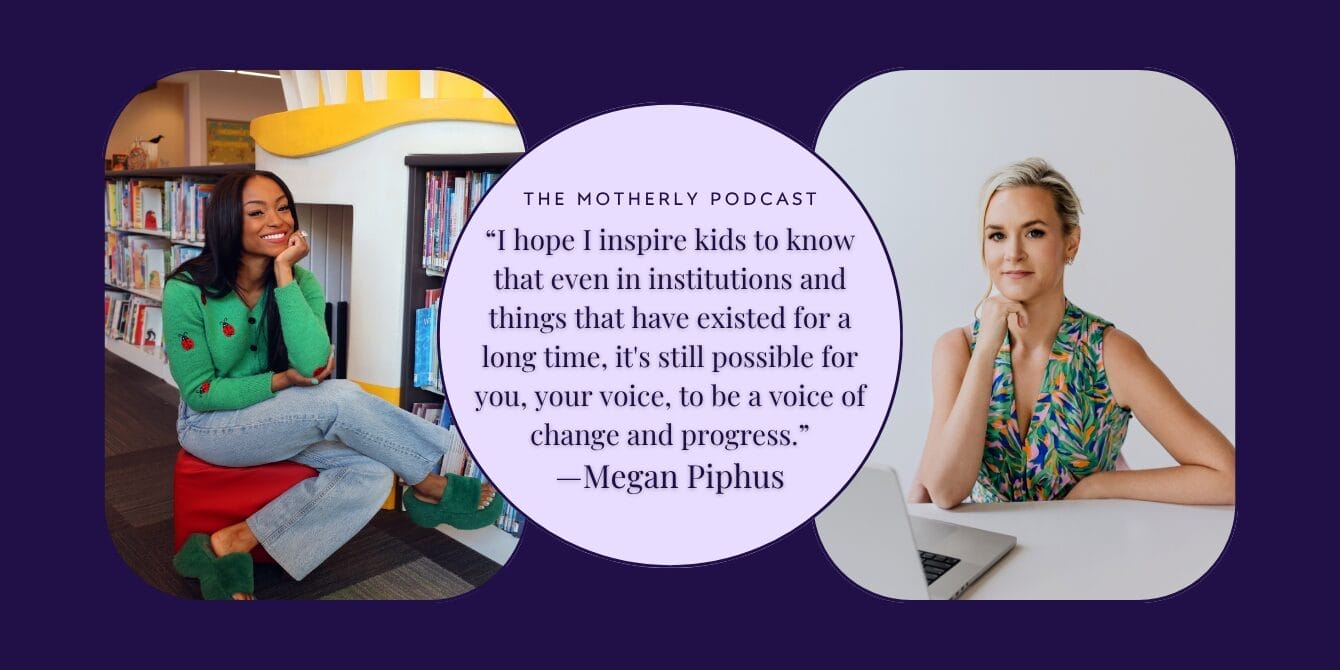
Megan Piphus broke barriers in 2020 when she became the first Black woman puppeteer on Sesame Street, operating Gabrielle, a 6-year-old Muppet character designed to spark conversations about racism, representation, and diversity with young viewers.
The Emmy Award-winning singer, songwriter, and ventriloquist brings her creative skills to one of television's most influential children's programs. Gabrielle's presence on the show reflects a deliberate effort to ensure Black children see themselves reflected in media they consume daily. Research from organizations like the Children's Media Council consistently shows that representation matters. When children encounter characters who look like them in leading roles, it builds confidence and sends a message that their stories belong in mainstream spaces.
Piphus credits her journey to confidence through creativity. Her background as a performer gave her the foundation to understand puppet manipulation as an art form, but it was the encouragement from mentors and colleagues that helped her recognize her own capability for this historic role. The power of encouragement in creative pursuits cannot be overstated, particularly for Black women in entertainment fields where representation remains limited.
Gabrielle's character addresses real topics that affect children's lives and communities. Rather than treating these conversations as separate from entertainment, Sesame Street integrates them naturally into storytelling. This approach aligns with what child development experts recommend. Dr. Dena Leibman, a child psychologist, notes that conversations about identity and belonging feel safer for children when they come through trusted, beloved characters.
For parents, Piphus's presence on Sesame Street offers an opportunity. Watching the show together opens doors for discussing representation, asking why it matters, and celebrating the diverse people working behind the scenes. Parents can point out Gabrielle and talk about why seeing Black girls as main characters on beloved shows changes what children believe is possible for themselves.