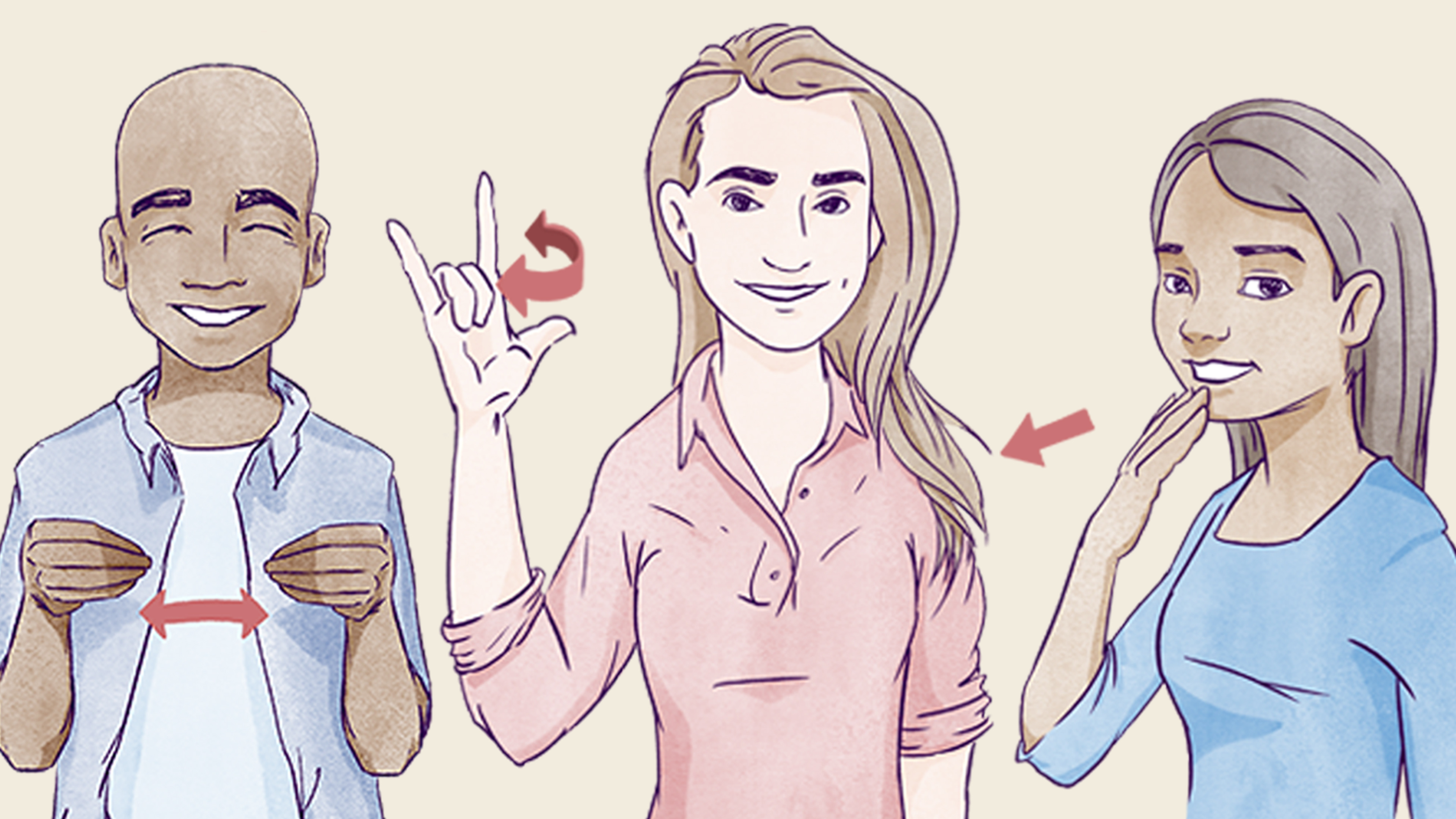
Baby sign language gives your infant a way to communicate months before spoken words arrive. Babies as young as 6 months old can learn and use simple hand signs to express needs, reducing frustration for both child and parent.
The research backs this up. Studies show babies who learn sign language tend to speak earlier and develop stronger language skills overall. Babies can master signs like "more," "milk," "all done," and "please" before they can say these words aloud. This early communication window matters because it lets your baby tell you when they're hungry, tired, or want to play without crying as the only option.
Teaching baby sign language works best when you start around 6 to 8 months old. The process is simple. You show your baby a sign while saying the word aloud. Repeat it consistently during daily routines. When your baby eats, sign "milk" while saying the word. When they finish, sign "all done." Most babies pick up signs faster than spoken words because hand movements develop before mouth control.
The top 20 signs parents typically teach include basic needs and emotions. "More," "milk," "all done," "please," "thank you," "mommy," "daddy," "help," "pain," "sleep," "play," "water," "eat," "yes," "no," "dog," "cat," "baby," "happy," and "gentle" cover most daily interactions. You don't need to be deaf or fluent in American Sign Language to teach your baby these functional signs. Modified baby signs work fine for families who just want to bridge the communication gap.
The payoff extends beyond convenience. When babies can sign their needs, they cry less and feel more understood. Parents report lower stress levels when they can respond to actual requests instead of guessing. Once your baby starts talking, they'll naturally drop the signs. This method complements spoken