# Trying to Conceive: Evidence-Based Steps That Work
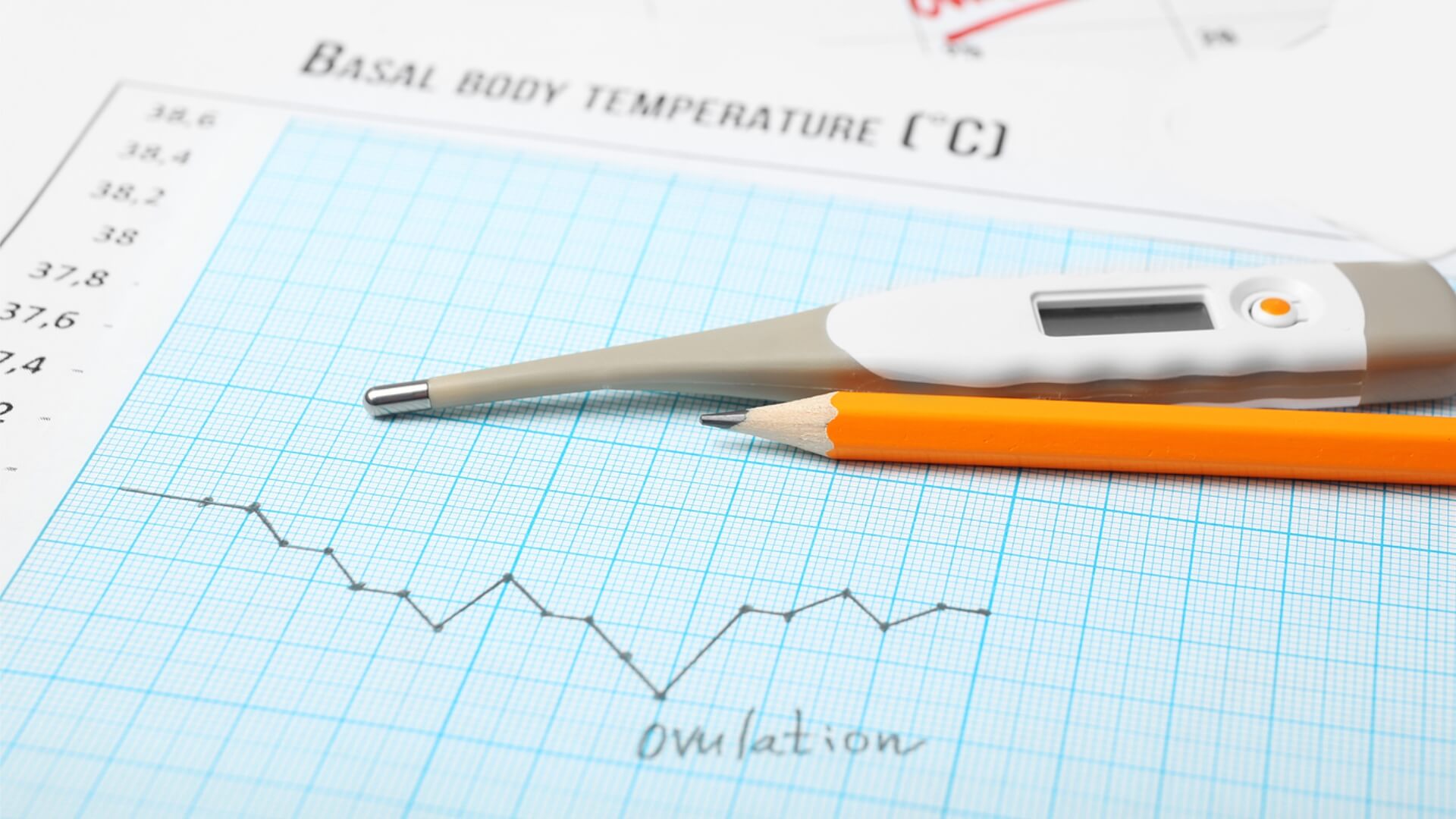
Couples trying to conceive face a flood of advice, much of it contradictory. The basics matter most. Timing intercourse during the fertile window—the five days before ovulation and the day of ovulation itself—dramatically improves pregnancy odds. Ovulation typically happens 14 days before the next period begins. Tracking this window through ovulation predictor kits, basal body temperature charting, or cervical mucus observation gives couples concrete data rather than guesswork.
Beyond timing, fertility depends on modifiable health factors. Both partners benefit from regular exercise, healthy weight maintenance, and stress reduction. Research consistently shows that smoking, excessive alcohol, and poor nutrition reduce conception rates. Men should know that heat damages sperm production, so tight underwear and hot baths merit reconsideration.
Prenatal vitamins containing folic acid should start before conception. The Centers for Disease Control recommends 400 micrograms of folic acid daily for all women of childbearing age, whether actively trying or not. This simple step reduces neural tube defects by 50 to 70 percent.
Medical factors warrant attention too. Untreated infections, thyroid disorders, and hormone imbalances interfere with conception. After 12 months of trying (or 6 months for women over 35), fertility specialists can run blood tests and imaging to identify treatable problems.
Couples often overlook frequency of intercourse. Having sex every two to three days throughout the month, rather than obsessing over the fertile window, works just as well and reduces the stress that sometimes surrounds conception attempts.
Patience matters. About 85 percent of couples conceive within one year of trying. That doesn't mean waiting passively. Track cycles, optimize health, and talk openly with your doctor about concerns.