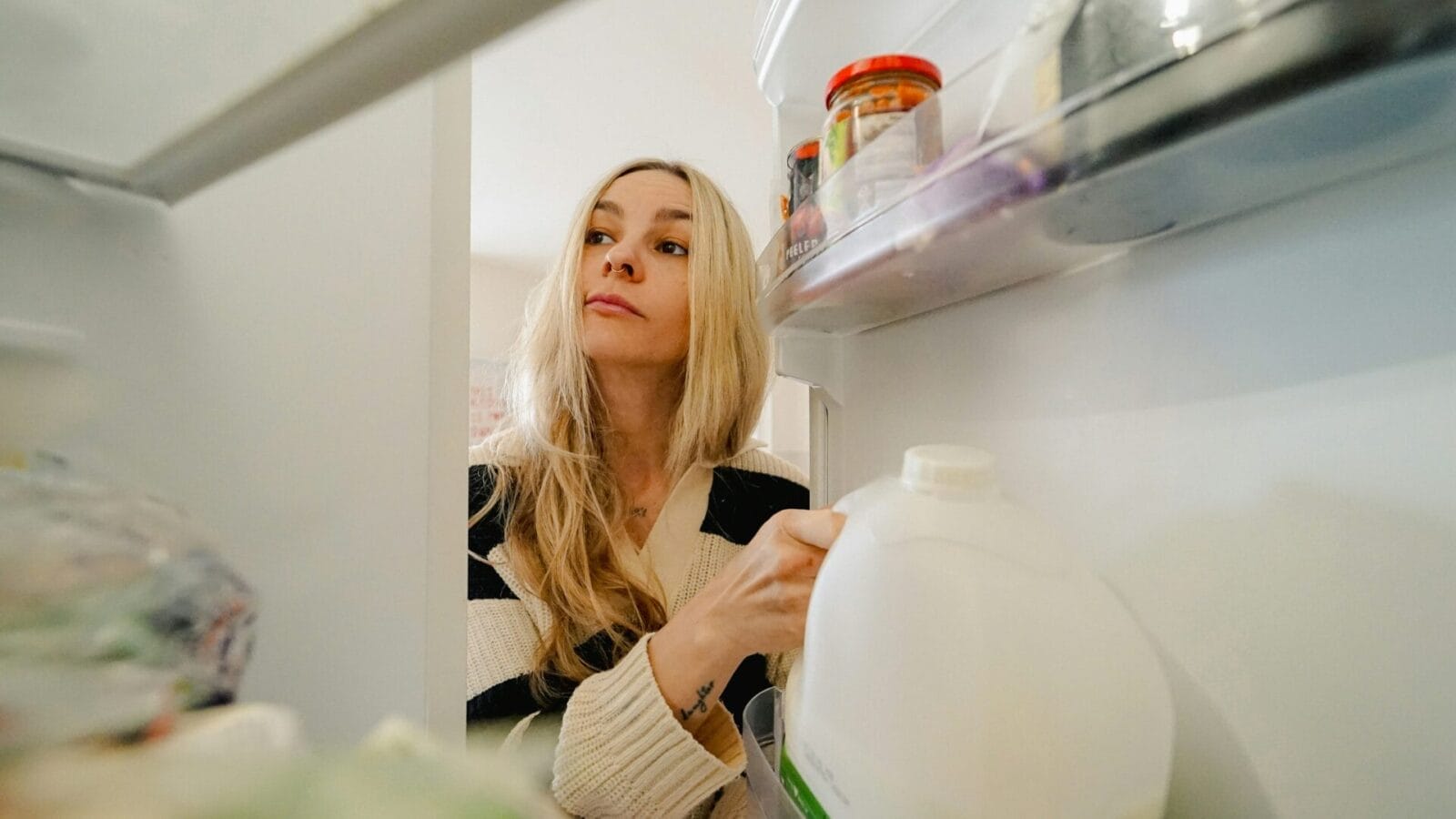
# The Science Behind Viral Pregnancy Cravings
A Reddit thread about unusual pregnancy cravings attracted 732,000 viewers, sparking conversations about what's normal versus what signals a real health concern. The viral moment reveals something important parents rarely discuss: pregnancy cravings often reflect genuine nutritional needs rather than pure whimsy.
During pregnancy, the body undergoes dramatic changes. Hormonal shifts alter taste buds and smell perception. These changes sometimes push pregnant people toward specific foods for biological reasons. Craving red meat, for example, often signals iron deficiency. Wanting ice or dirt (a condition called pica) can indicate anemia or mineral deficiencies that require medical attention.
Obstetricians and nutritionists explain that cravings function as the body's way of communicating. When a pregnant person suddenly wants salty foods, their blood volume has expanded and sodium levels need adjustment. Chocolate cravings can reflect magnesium depletion. Sweet cravings sometimes indicate fluctuating blood sugar from pregnancy-related glucose changes.
The line between harmless craving and red flag matters. Cravings for non-food items like chalk, starch, or clay warrant a conversation with your doctor. These point to pica, which research published in the American Journal of Clinical Nutrition links to mineral deficiencies that affect fetal development.
Harmless cravings taste like actual food. You want pickles and ice cream because your taste preferences shifted. You want them constantly because hormones intensify food desires. These pass, usually after the first trimester as hormone levels stabilize.
The viral thread hit hard because pregnant people felt validated discussing their experiences without judgment. Many comments revealed that doctors had dismissed their concerns, or that cravings seemed so bizarre they felt embarrassed asking for help.
The practical takeaway: document unusual cravings and