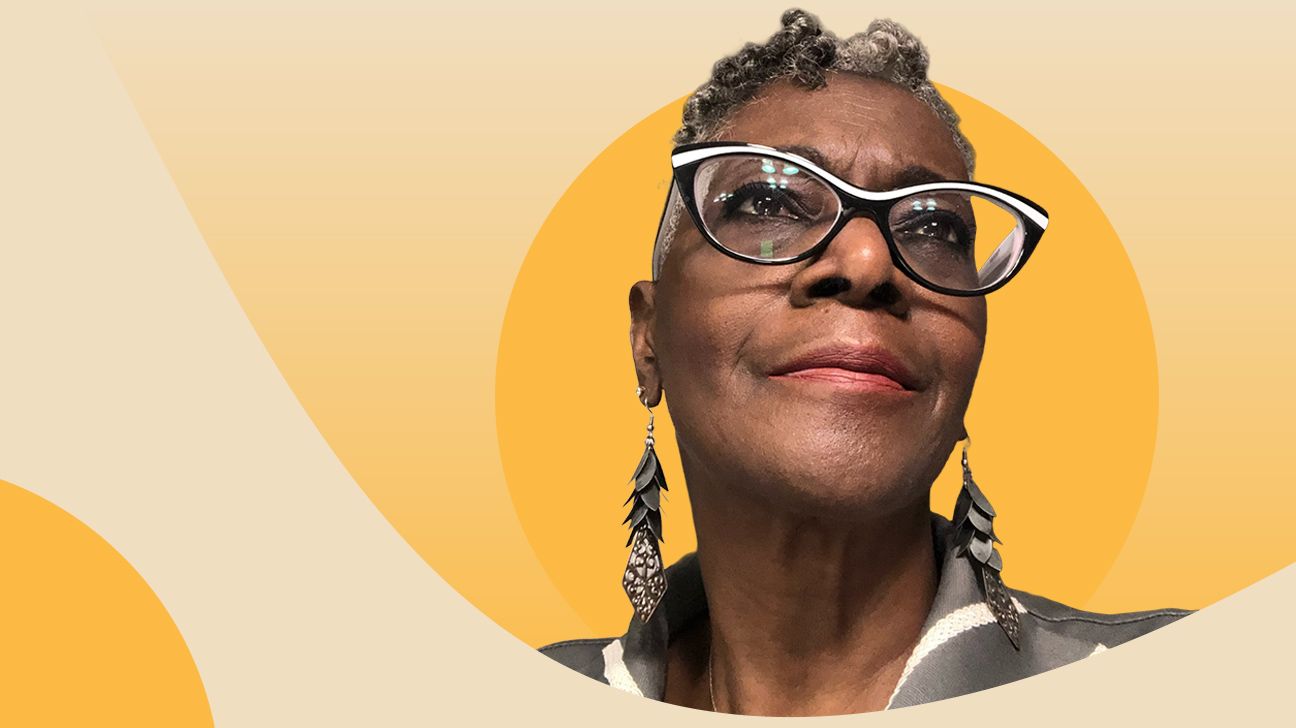
Barbara Roberts received her HIV diagnosis in 1996 and has lived with the virus for three decades. Now at 74, she represents a growing population of older adults managing HIV with modern treatments that allow them to live long, healthy lives.
Roberts' story highlights a dramatic shift in HIV care. When she was diagnosed nearly 30 years ago, antiretroviral therapy was still developing. Today, people with HIV who take medications consistently can achieve an undetectable viral load, meaning the virus becomes undetectable in blood tests and cannot be transmitted sexually to partners. This breakthrough changed everything about living with HIV.
A newly FDA-approved medication is further simplifying Roberts' daily routine. Rather than managing multiple pills, she now takes a treatment that requires fewer doses. This matters especially for older adults juggling multiple health conditions and medications.
The medical community increasingly recognizes that people with HIV are aging. Older adults with HIV face unique challenges. They often take other medications for conditions like heart disease or diabetes, creating potential drug interactions. They may experience side effects differently than younger patients. Cognitive changes can make medication adherence harder.
Roberts' experience demonstrates what modern medicine achieves. She works, maintains relationships, and participates fully in her community. Her viral load remains undetectable. She experiences no AIDS-related illnesses.
For families with older relatives living with HIV, the evidence is clear. Consistent medical care, medication adherence, and regular monitoring lead to normal life expectancy. People diagnosed decades ago are now retiring, becoming grandparents, and planning their futures without HIV dominating their health outcomes.
The shift toward simpler medication regimens addresses a real barrier to treatment success in aging populations. Fewer pills mean fewer chances for confusion, missed doses, or medication interactions. For Roberts and thousands of older adults with HIV, these innovations transform what it means to live with a once-devastating diagnosis.