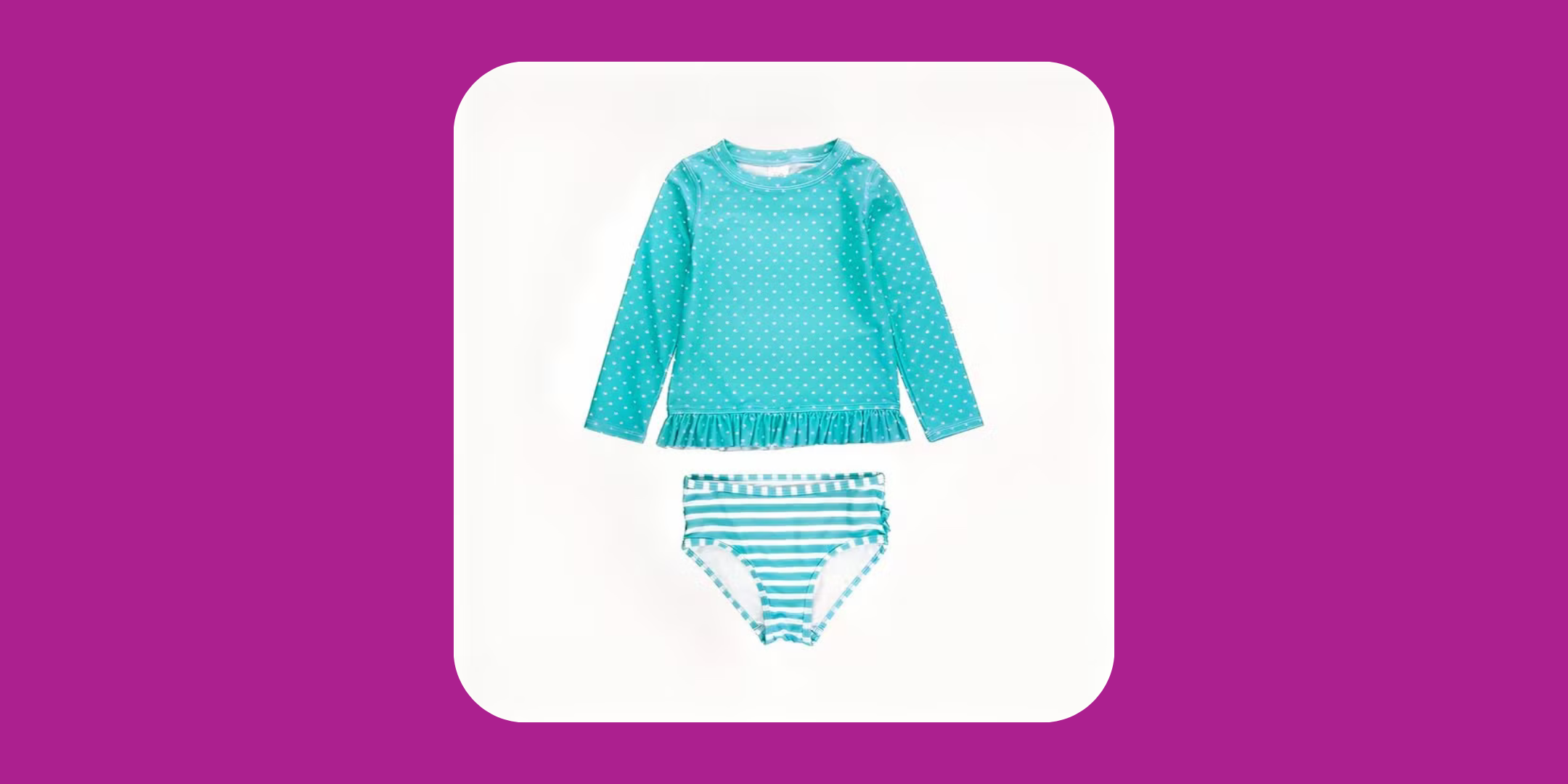
Sun protection for babies matters. UPF 50+ swimsuits block 98% of the sun's ultraviolet rays, offering reliable defense against skin damage during beach trips and pool time.
Baby skin burns faster than adult skin because the protective melanin layer develops over years. A single severe sunburn in infancy raises the risk of melanoma later in life, according to dermatologists. This makes appropriate sun gear essential, not optional.
UPF 50+ rated swimsuits work alongside other sun safety strategies. The American Academy of Pediatrics recommends keeping babies under six months in the shade entirely. For older babies, broad-spectrum sunscreen (SPF 30+), lightweight long-sleeved rashguards, and wide-brimmed hats provide layered protection.
Quality UPF swimsuits come in practical styles. Many brands now offer one-piece rashguards with built-in sun protection, eliminating the need for separate swim shirts. Look for certified UPF ratings from manufacturers like Coolibar and SwimZip, which test products to ensure they maintain protection even when wet and stretched.
The upside: protected babies enjoy water play safely. Parents can relax knowing their child's sensitive skin receives professional-grade defense. Many retailers currently discount UPF swimwear, making this investment affordable during vacation planning season.
Fit matters too. A swimsuit that's too loose shifts and exposes skin. Check sizing charts carefully. Some families layer a rash guard over the regular swimsuit for extra coverage.
Tropical vacations present peak UV exposure risks. Water reflects up to 80% of UV rays, intensifying sun intensity at the beach compared to dry land. This makes UPF swimwear particularly valuable during coastal trips.
Parents traveling with babies should pack multiple UPF suits, rotate them to allow proper drying, and