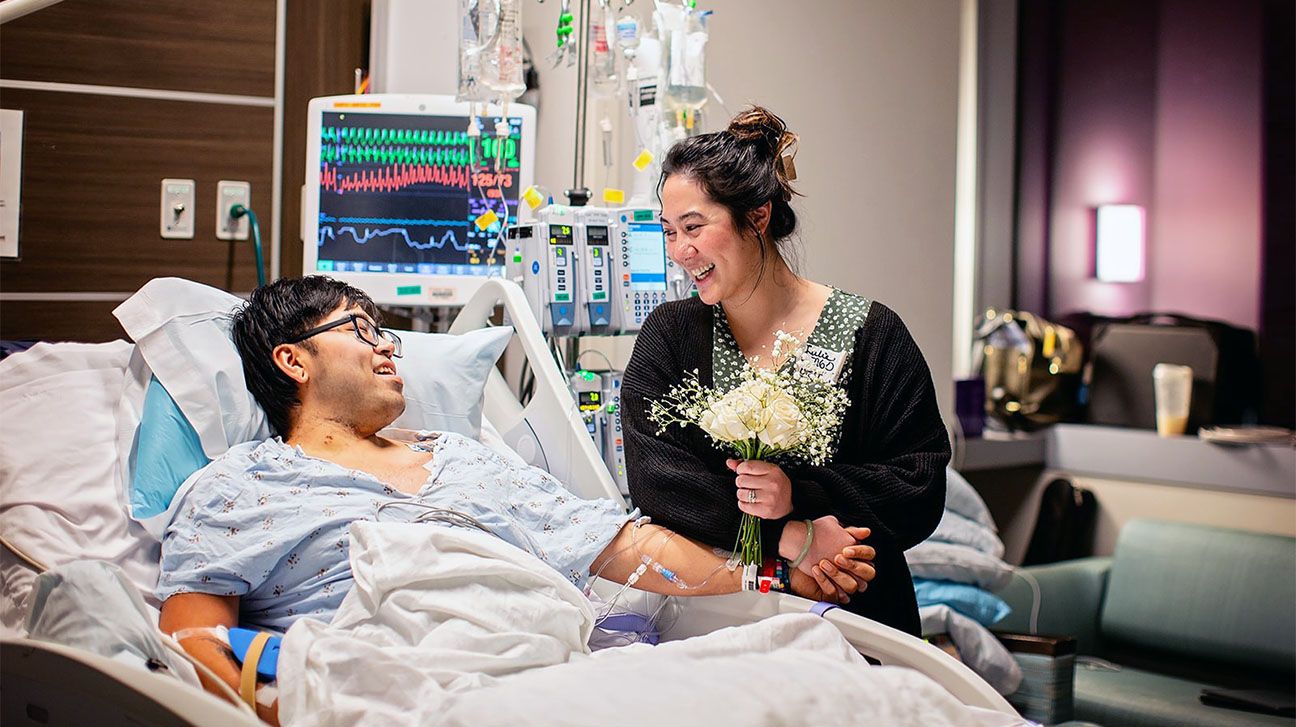
Daniel Phan faced heart failure and urgent surgery when he and his girlfriend Julia made an unconventional choice. Days before his lifesaving procedure, they married in the ICU.
Their decision reflects a real medical reality many families confront. Serious illness creates time pressure. When surgery carries risks, patients and loved ones sometimes accelerate life plans. Marriage in a hospital room, while uncommon, allows couples to formalize their commitment when tomorrow feels uncertain.
Heart failure affects roughly 6.2 million American adults, according to the CDC. The condition develops when the heart cannot pump blood effectively to the body. Treatment varies from medications to surgical interventions like transplants or mechanical support devices. Daniel's case required surgery urgent enough that he and Julia felt compelled to act immediately.
Hospital staff sometimes accommodate such requests. Many medical centers have worked with patients to facilitate wedding ceremonies, small commitments, or renewal of vows in clinical settings. These moments acknowledge that healing involves more than medicine. Emotional connection and life meaning influence recovery outcomes.
Research from the American Heart Association shows that social support and strong relationships improve survival rates in cardiac patients. Patients with solid family ties experience better treatment adherence and lower stress levels during recovery. A formal marriage commitment, even conducted bedside, strengthens that support network.
The story also highlights how parents, partners, and spouses navigate health crises together. Families facing serious illness often must make decisions quickly, sometimes without ideal circumstances. Some postpone life events. Others, like Daniel and Julia, move forward with them.
Their ICU wedding illustrates resilience and prioritization. They chose to cement their partnership at a moment when health felt fragile. Medical staff supported their choice, understanding that emotional wellbeing matters alongside clinical care.
For families facing similar situations, this story offers perspective. Hospitals recognize the human need for connection and meaning during medical crises. Whether through weddings,