# 7 Signs Your Gut May Be Out of Balance
Your child's digestive health affects far more than just bowel movements. An imbalanced gut, or dysbiosis, can trigger mood changes, skin problems, bloating, and general feelings of being unwell that parents struggle to pinpoint.
The gut microbiome—the community of bacteria living in your child's digestive tract—plays a central role in immune function, nutrient absorption, and even brain chemistry. When this balance tips, children often display several telltale signs.
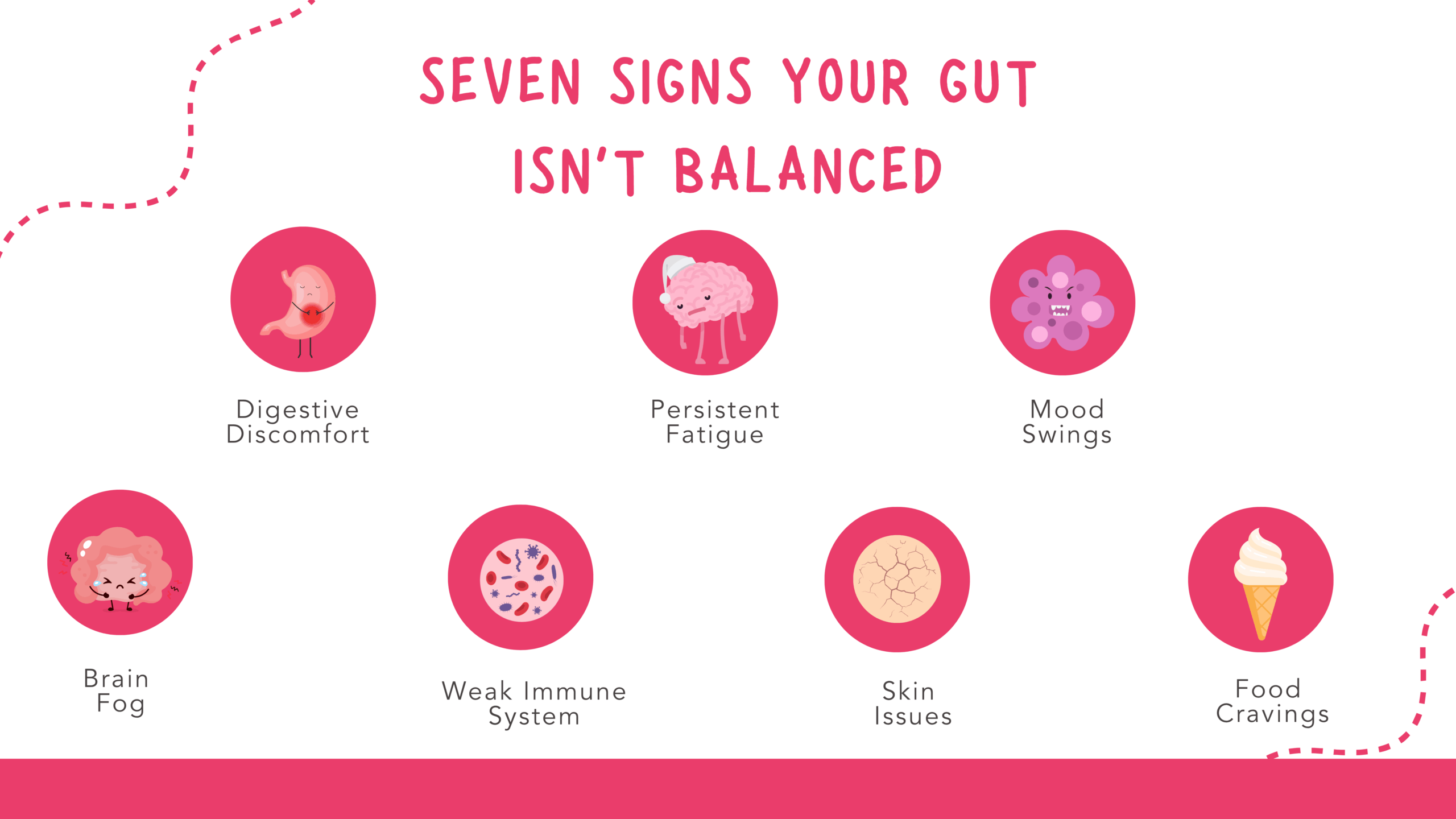
Common indicators include irregular digestion (constipation or diarrhea), persistent bloating or gas, and unexplained skin issues like eczema or acne. Mood swings, difficulty concentrating, and food sensitivities can also signal gut imbalance. Some children experience constant fatigue or frequent infections as their immune system struggles.
Several factors throw gut bacteria off balance. Antibiotic use, highly processed diets, sugar overload, and chronic stress all damage healthy bacterial populations. Identifying which signs your child displays helps you address the root cause.
Restoring gut balance starts with diet. Probiotic-rich foods like yogurt, kefir, and fermented vegetables introduce beneficial bacteria. Prebiotic foods like bananas, onions, and garlic feed existing good bacteria. Reducing processed foods and added sugars removes fuel for harmful bacteria growth.
For some children, a temporary elimination diet identifying problematic foods helps tremendously. Consulting a pediatric gastroenterologist or functional medicine practitioner provides personalized guidance, especially for children with severe symptoms.
Probiotic supplements designed for children may help, though research shows food sources often work better. Mama Natural recommends focusing on whole foods first before adding supplements.
Stress reduction matters too. Regular physical activity, adequate sleep, and calm me