# Hantavirus Case Appears in U.S. Cruise Ship Passenger
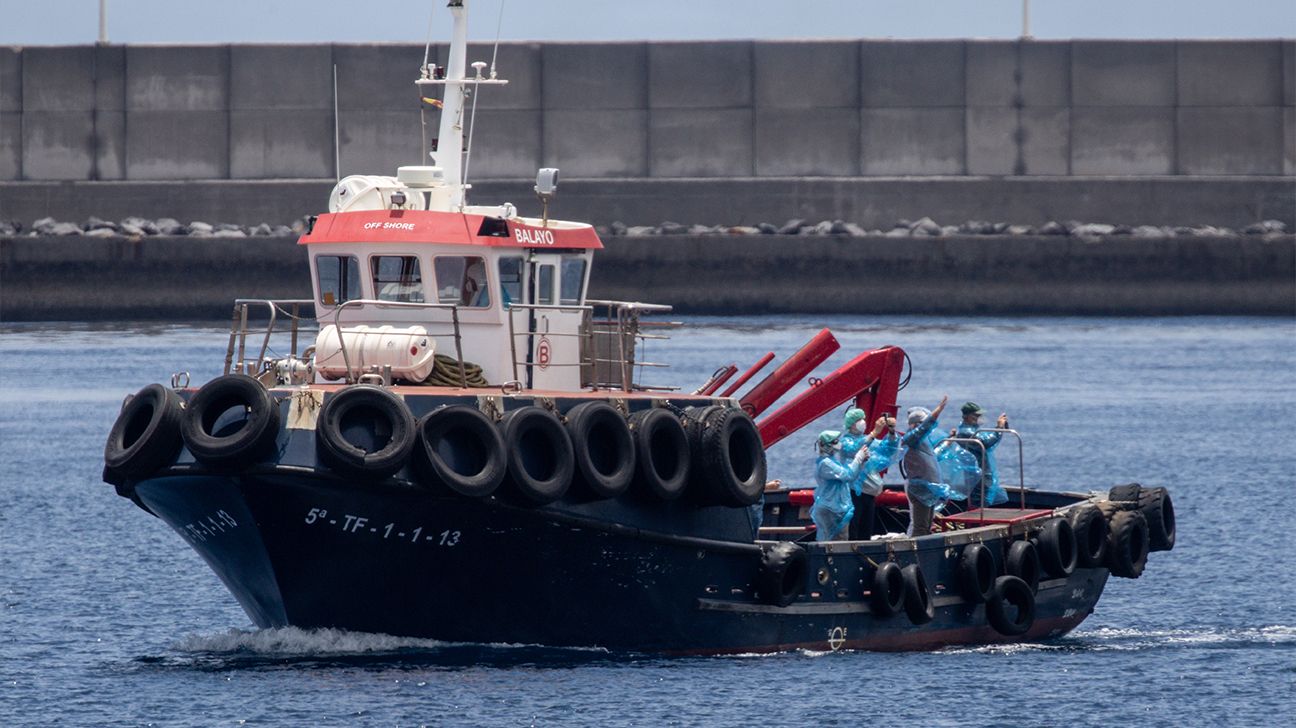
A passenger aboard a cruise ship has tested positive for hantavirus, marking the first confirmed case linked to cruise ship travel in the United States. The patient was among those evacuated from the MV Hondius in the Arctic.
Hantavirus spreads through contact with infected rodent urine, droppings, or saliva. The virus does not spread person-to-person through respiratory droplets, which limits outbreak potential in crowded settings like cruise ships. However, if rodent contamination occurred in food storage or ventilation systems aboard the vessel, multiple exposures were theoretically possible.
Hantavirus infections are rare in the U.S., with fewer than 200 confirmed cases since 1993, according to the CDC. The Sin Nombre virus, the most common hantavirus strain in North America, causes hantavirus pulmonary syndrome, which kills approximately 38 percent of infected patients. Early symptoms include fever, muscle aches, and fatigue, progressing to coughing and shortness of breath within one to two weeks.
The CDC is investigating how the passenger contracted the virus and whether other cruise participants face exposure risk. Health officials typically recommend that anyone with potential hantavirus contact seek immediate medical evaluation, especially those experiencing respiratory symptoms within six weeks of potential exposure.
For families planning cruise vacations, exposure risk remains extraordinarily low. Standard cruise ship sanitation protocols target rodent control and food safety. Parents should monitor children for respiratory symptoms after travel and consult doctors promptly if fever or cough develops.
The outbreak does not indicate pandemic potential. Hantavirus requires direct rodent contact or inhalation of contaminated particles. Person-to-person transmission has never been documented with hantavirus strains in the Americas, unlike the Andes virus in South America