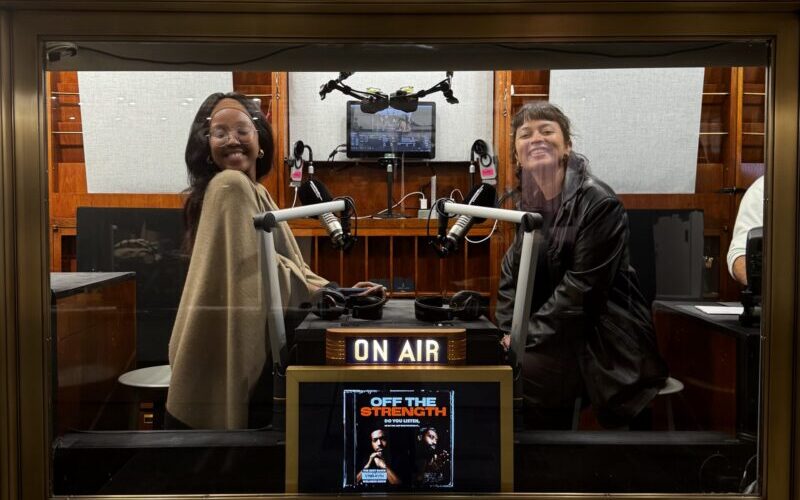
# Meeting People Where They Are: Audio Storytelling and Mental Health
Audio storytelling offers a powerful way to reach families about mental health, particularly those who consume content differently than traditional readers. The Child Mind Institute explores how narrative formats meet people in their daily lives, whether during commutes, household chores, or workouts.
Stories stick with listeners in ways statistics often don't. When parents hear real voices describing anxiety, depression, or family conflict, the experience feels human and relatable rather than clinical. Audio formats remove barriers for busy families. A parent can listen to a mental health story while driving carpool instead of finding time to read an article.
Research shows narrative medicine improves health outcomes. Stories help people recognize themselves in others' experiences, reducing shame around mental health challenges. For teens and children, hearing peer voices discussing struggles normalizes seeking help. When a teenager hears another teen describe panic attacks authentically, they become more willing to talk about their own.
The Child Mind Institute frames storytelling as a mental health accessibility tool. Not every family connects with written resources or therapy talk. Some learn better through narrative. Others prefer audio because it feels less formal than sitting in a waiting room.
Podcasts, audio documentaries, and storytelling apps expand mental health reach beyond traditional counseling settings. Platforms like Spotify and Apple Podcasts host mental health content families can access free or cheaply. This matters for underserved communities where therapy access remains limited.
Parents can use audio storytelling intentionally. Family road trips become teaching moments. Listening together opens conversations kids might otherwise avoid. A story about sibling conflict or school anxiety gives children permission to discuss their own feelings.
The broader question the Institute raises matters: why storytelling at all? Because humans remember narratives. Because voices carry emotion. Because stories meet people where they actually are, not where we think they should be. When mental health information reaches families through formats