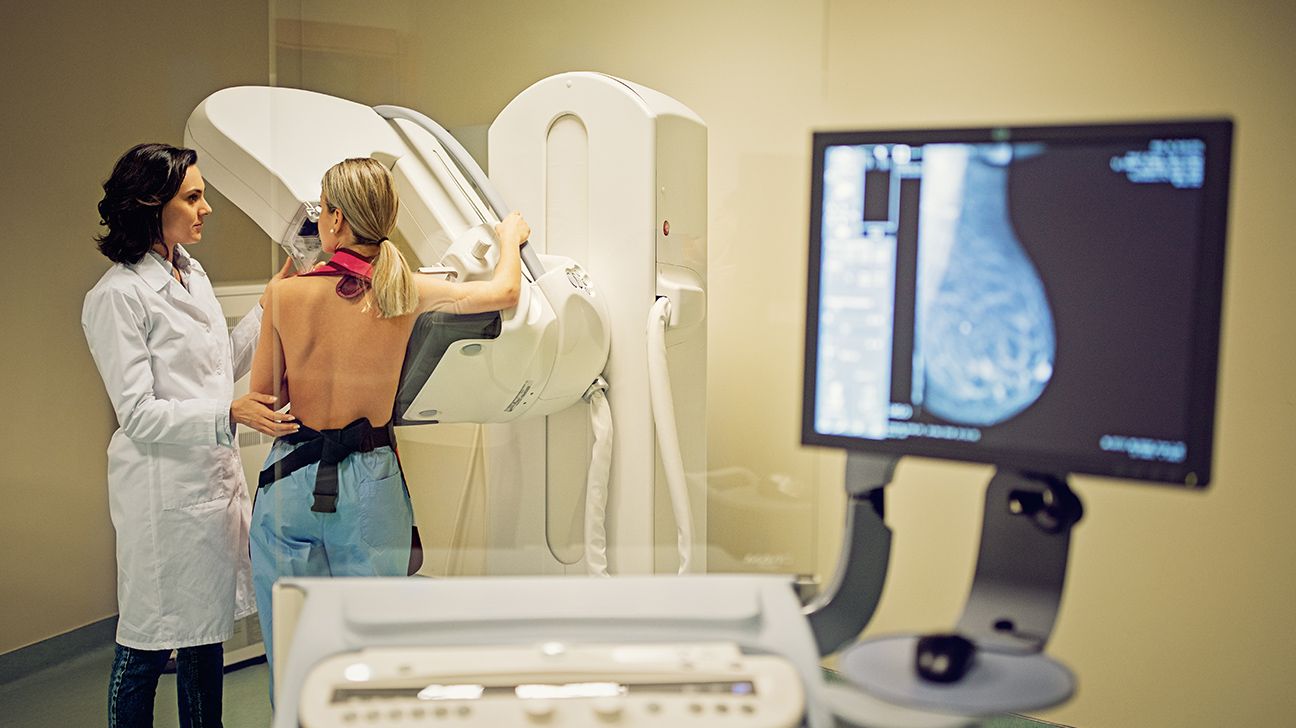
# New Breast Density Treatment Shows Promise With Fewer Side Effects
Researchers have developed a new treatment approach for high breast density, a condition affecting millions of women that increases cancer risk and makes mammograms harder to read. This emerging therapy appears to reduce breast density while causing fewer adverse effects than existing options.
Breast density occurs when breast tissue contains more glandular and connective tissue relative to fatty tissue. Women with high breast density face a two to four times greater risk of breast cancer compared to those with low density. The condition also creates a "masking effect" on mammograms, where tumors blend into dense tissue and become harder to detect.
Current treatment options have limitations. Hormone replacement therapy can reduce density but carries risks including increased cardiovascular disease and stroke. Tamoxifen, a breast cancer prevention drug, reduces density but often causes hot flashes, blood clots, and uterine cancer risk. Many women stop taking these medications due to side effects.
The new treatment strategy shows a different safety profile. Early research indicates it effectively lowers breast density while producing minimal adverse effects, making it a potentially viable option for women seeking alternatives to existing therapies.
The development matters because it addresses a gap in women's health care. An estimated 40 percent of women over 40 have high breast density. For these women, traditional screening often misses cancers, and treatment options carry real risks that must be weighed carefully.
Researchers continue studying this approach to determine optimal dosing, long-term outcomes, and which patient populations benefit most. Women with high breast density should discuss their individual risk factors and screening options with their doctors. Supplemental imaging like ultrasound or MRI may improve cancer detection in the interim. This new treatment represents progress toward a safer, more tolerable option for managing a common condition that puts millions of women at higher risk.