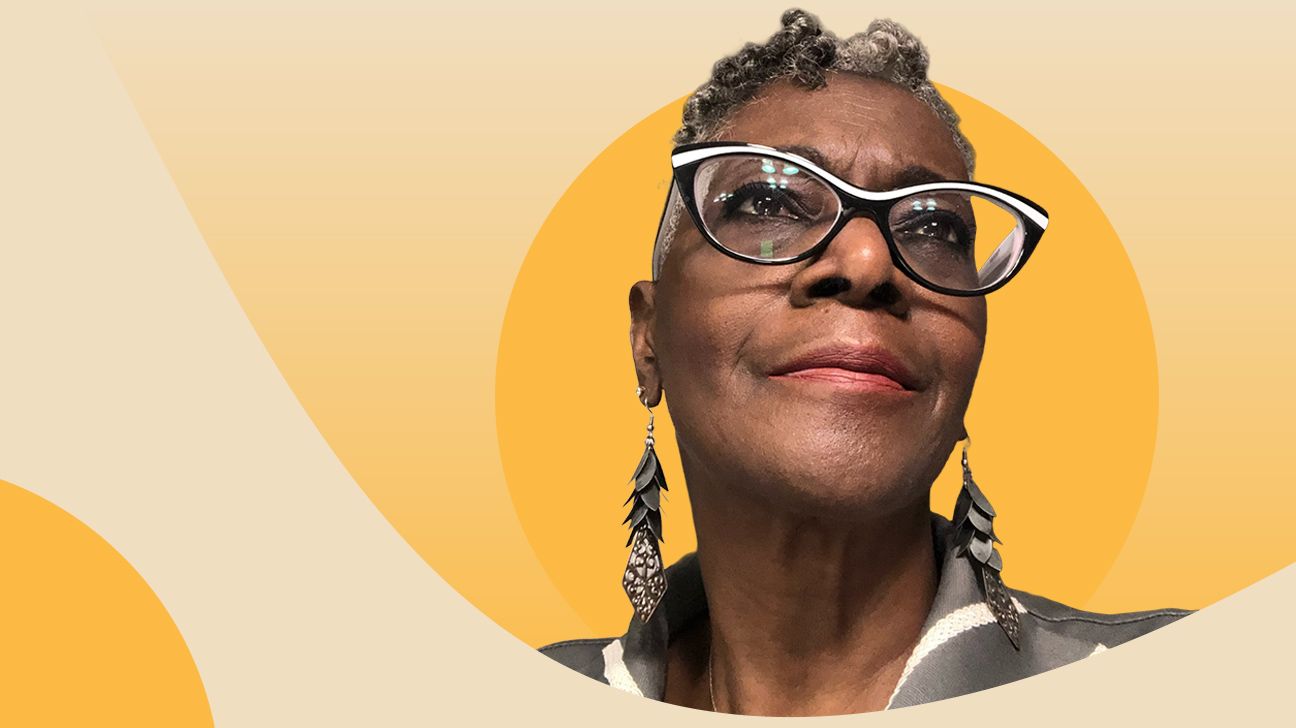
Barbara Roberts received her HIV diagnosis in 1996. Now at 74, she represents a growing population of older adults managing the virus successfully with modern medicine. Her story illustrates how antiretroviral therapy has transformed HIV from a death sentence into a manageable chronic condition.
Roberts has benefited from three decades of medical advances. Current treatments suppress viral loads so effectively that people with HIV can live normal lifespans and prevent transmission to partners through undetectable equals untransmittable (U=U) science. Her recent switch to a newly FDA-approved medication demonstrates how treatment options continue evolving even for those long-term survivors.
The shift matters for aging HIV patients facing multiple health challenges simultaneously. Older adults with HIV often take numerous medications for conditions like heart disease, diabetes, and arthritis. Simpler treatment regimens reduce pill burden and drug interactions. The latest approved options address this directly, helping patients like Roberts manage their health without overwhelming medication schedules.
Healthcare providers increasingly recognize that HIV-positive aging requires specialized attention. People living with HIV long-term face accelerated aging in some areas, including bone and cardiovascular health. Regular screening for age-related conditions becomes essential. Geriatric HIV specialists now collaborate with primary care doctors to optimize treatment and monitor for complications unique to this population.
Roberts' continued health at 74 sends a powerful message to younger people recently diagnosed. With consistent treatment adherence and regular medical care, HIV no longer defines lifespan or quality of life. The CDC reports that life expectancy for people with HIV receiving treatment now approaches that of HIV-negative individuals.
For families with HIV-positive members, Roberts' story reinforces the importance of staying connected to care, updating treatment when new options emerge, and addressing overall health beyond viral suppression. Modern HIV management succeeds when patients maintain relationships with knowledgeable providers who understand both HIV medicine and aging simultaneously.