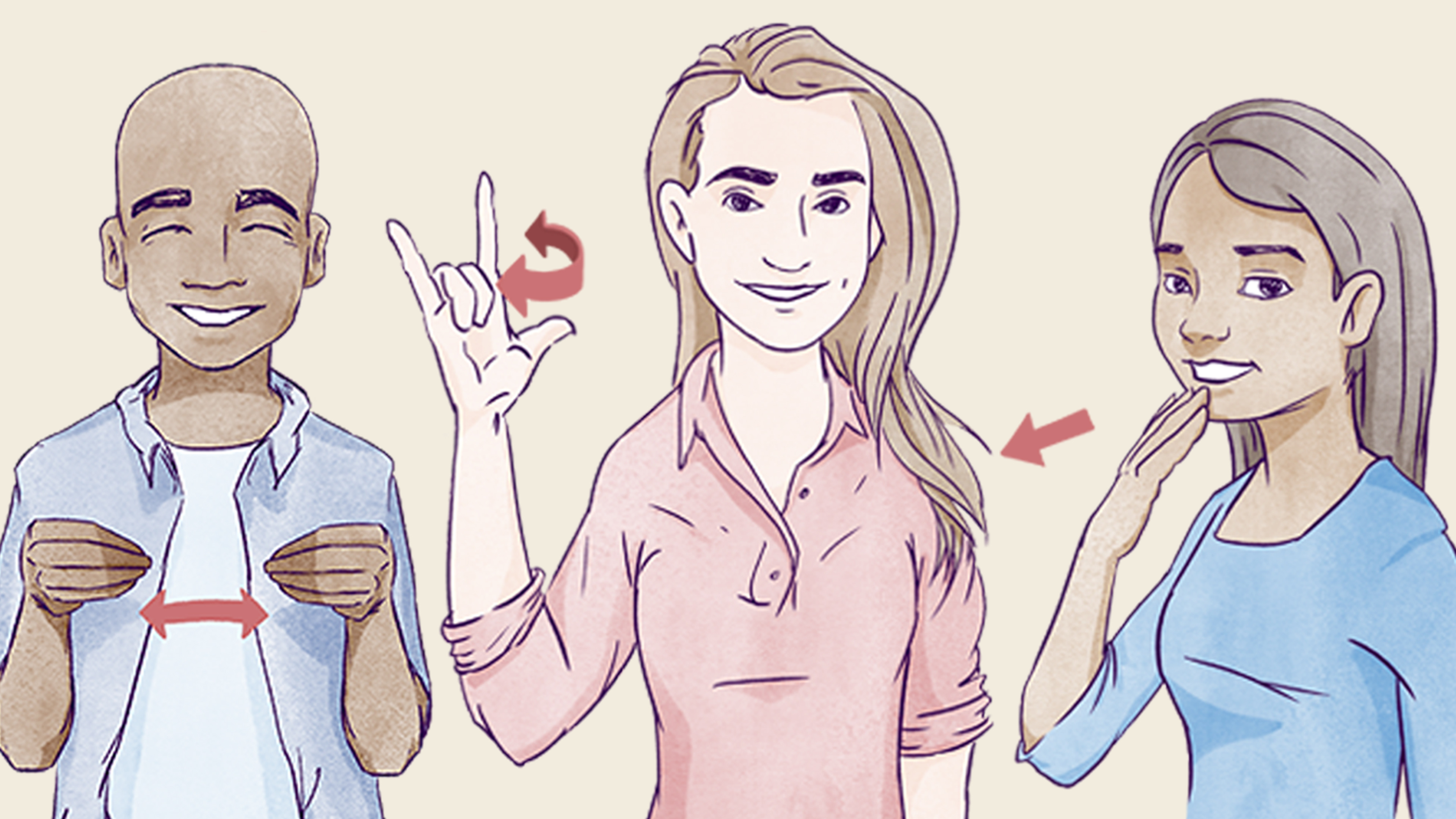
Baby sign language lets your infant communicate months before speaking their first word. Teaching simple hand gestures between 6 and 12 months old helps reduce frustration for both parent and child. Babies can master signs like "more," "milk," and "all done" before their vocal cords develop the muscle control needed for speech.
Research from the University of California, Davis found that babies who learn sign language develop stronger communication skills overall. They tend to cry less and show fewer behavioral problems because they can express their needs clearly. Parents report that signing creates calmer mealtimes and smoother transitions between activities.
The process starts simple. Pick high-frequency words your baby encounters daily. "More" works well at snack time. Make the sign consistently, say the word aloud, and repeat. Babies typically pick up their first sign between 8 and 10 months. They'll likely combine signs before combining words, giving you a window into their growing thoughts.
Common first signs include "milk," "eat," "water," "help," "up," and "please." Each sign should feel natural and exaggerated enough for small hands to see clearly. You don't need formal American Sign Language training. Simplified, consistent gestures work just as well for this age group.
The benefits extend beyond communication. Signing strengthens your bond through close interaction and eye contact. Your baby feels heard and understood, which builds confidence and security. As speech develops, signing doesn't delay language. Instead, it supports it. Bilingual babies often read earlier and show stronger language development overall.
Start with just two or three signs and add more as your baby shows interest. There's no pressure to become fluent or follow perfect ASL rules. The goal is giving your toddler tools to express "more juice," "hurt," or "tired" before they can say those words. Many families find that signing becomes a cher