# Plant-Based Eating Helps Manage Weight During Menopause
Women going through menopause struggle with weight gain due to declining estrogen levels, which slow metabolism and shift fat storage patterns. A plant-forward diet offers a practical solution to this common challenge.
Research shows that eating mostly plants while minimizing meat and dairy helps women maintain weight during menopause. Plant-based foods are nutrient-dense and lower in calories, making it easier to eat satisfying portions without excess energy intake. The high fiber content in vegetables, fruits, legumes, and whole grains promotes fullness and stable blood sugar levels, reducing cravings that often intensify during hormonal shifts.
The benefits extend beyond the scale. Plant-forward eating improves cholesterol levels, blood pressure, and cardiovascular health. Women in menopause face increased heart disease risk, and plant-based diets directly address this concern. The antioxidants and phytoestrogens in plant foods, particularly from soy products, legumes, and whole grains, may also help reduce hot flashes and night sweats for some women.
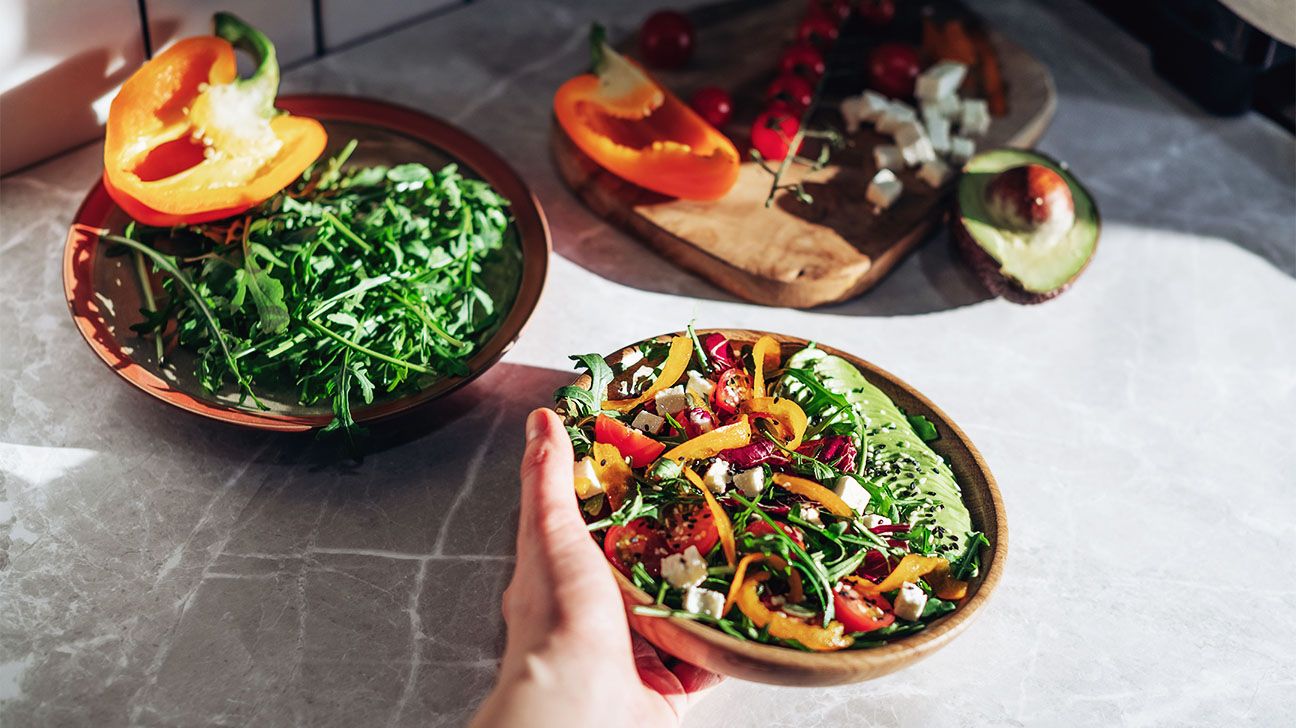
Transitioning to a plant-forward diet doesn't mean going fully vegan. The approach emphasizes vegetables, fruits, whole grains, nuts, seeds, and legumes as the foundation of meals, with animal products playing a smaller supporting role. A practical starting point involves making half your plate vegetables, choosing whole grains over refined carbs, and swapping one or two meat meals weekly for plant-based protein sources like lentils, chickpeas, or tofu.
Registered dietitians recommend pairing dietary changes with strength training two to three times weekly. Menopause naturally triggers muscle loss, which further slows metabolism. Resistance exercise preserves muscle mass and helps maintain a healthy weight.
Women concerned about meeting protein needs during menopause should focus on