# A Real Solution for Postpartum Bladder Leaks
One in three women struggle with urinary incontinence after giving birth, yet most suffer in silence. A new FDA-approved over-the-counter option offers relief without surgery or prescription medication.
The product in question represents the first OTC device cleared by the FDA specifically for stress urinary incontinence, the type triggered by physical activity like sneezing, laughing, exercising, or jumping on trampolines. This matters because stress incontinence affects millions of postpartum women who previously had limited non-invasive options.
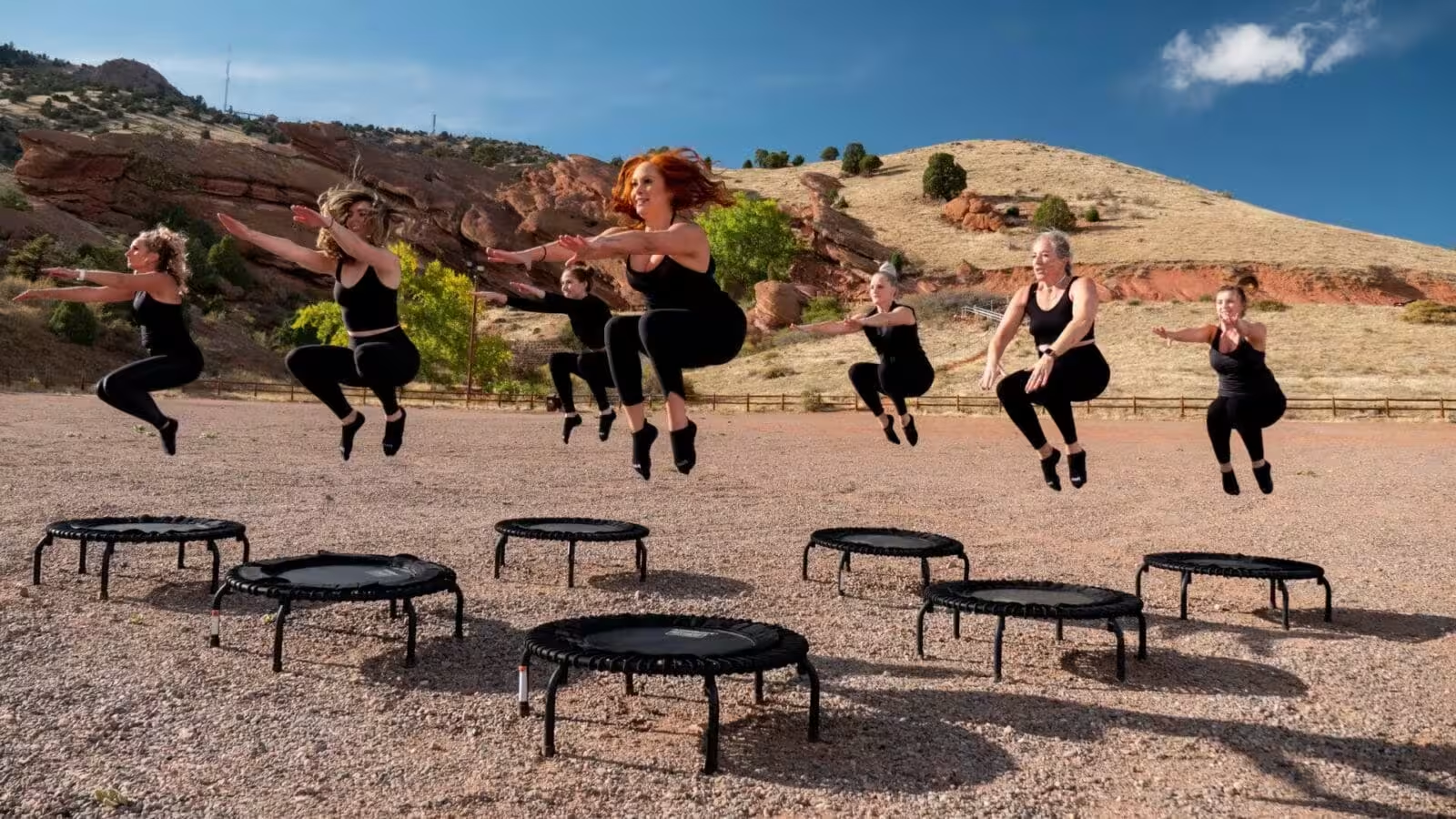
The journalist tested the device during an actual trampoline class, choosing an activity specifically designed to challenge bladder control. Stress incontinence occurs when weakened pelvic floor muscles cannot support the bladder during movement or pressure. Physical activity intensifies the problem. The successful test during this demanding activity suggests the solution works during real life.
Postpartum incontinence develops when pregnancy and delivery strain the pelvic floor muscles that control urine flow. Factors including baby's weight, labor length, and delivery method all contribute to muscle damage. While pelvic floor physical therapy can help, many women never access it or find it insufficient alone.
The device offers an accessible alternative for women who want to regain confidence without invasive procedures like surgical slings or bladder suspension. It's available without a doctor's prescription, making it easier to obtain than past solutions.
This development acknowledges an overlooked postpartum reality. Women often normalize bladder leaks as an inevitable consequence of motherhood and accept limiting physical activity. With FDA approval and real-world testing confirming effectiveness, women can reclaim activities they previously avoided.
For mothers wanting immediate relief while building pelvic floor strength through therapy, this option bridges the gap between doing nothing and pursuing surgical intervention.