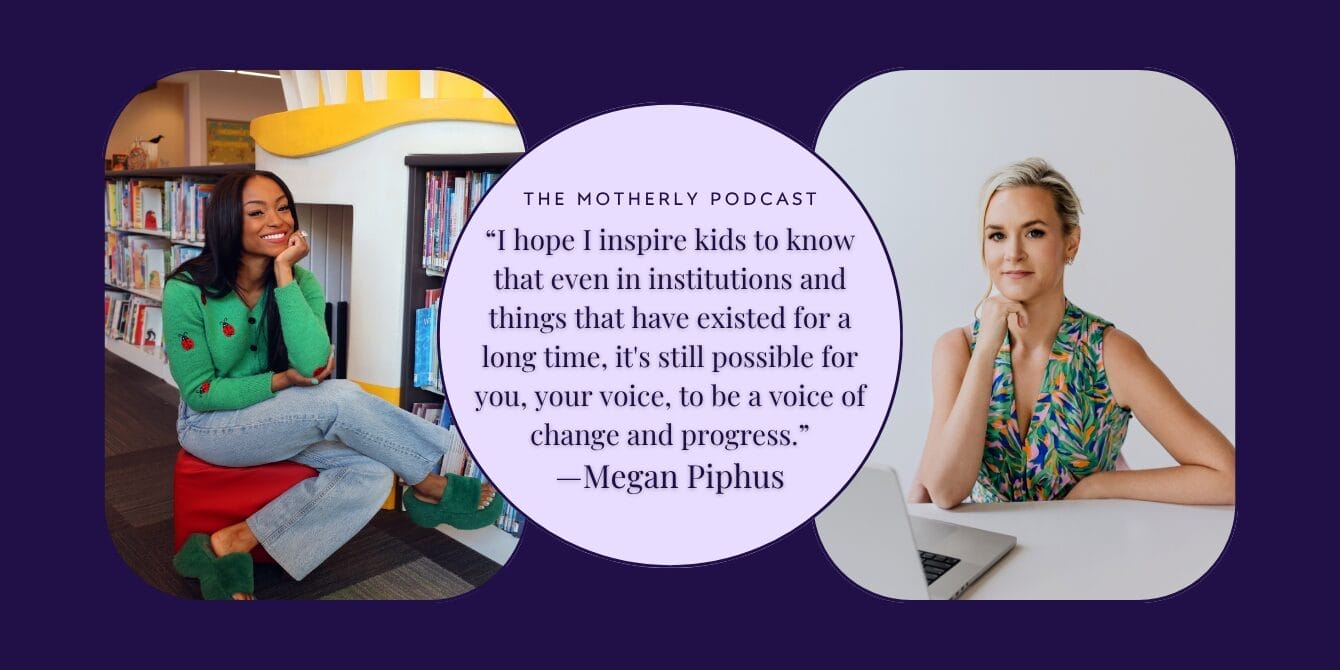
Megan Piphus made history in 2020 when she became the first Black woman puppeteer on Sesame Street, operating Gabrielle, a 6-year-old Black girl Muppet. The Emmy Award-winning singer, songwriter, and ventriloquist brings a character to the iconic children's show who sparks conversations about racism, representation, and diversity with young viewers.
Piphus's role matters because children develop racial identity and awareness between ages three and five, according to research from the American Academy of Pediatrics. Seeing themselves reflected in trusted media like Sesame Street helps children of color feel seen and valued. For white children, diverse characters normalize inclusion and teach empathy from an early age.
Gabrielle's presence on Sesame Street continues the show's decades-long commitment to representation. The program introduced its first Black character, Gordon, in 1969 and has consistently featured diverse families and experiences. Research shows that children exposed to diverse characters in media demonstrate increased acceptance of differences and stronger social skills.
Piphus's journey to Sesame Street reveals something parents should know about creativity and confidence. Her path through music, songwriting, and ventriloquism shows how different creative outlets build skills and self-assurance. She discovered that encouragement from others fueled her willingness to take risks and pursue opportunities that seemed out of reach.
For parents, Piphus's story offers a practical lesson. Children who receive consistent encouragement in creative pursuits develop resilience and confidence that transfers to other areas of life. Whether your child sings, draws, performs, or creates in any form, the act of making something and receiving positive feedback shapes their belief in themselves.
Watching Gabrielle on Sesame Street gives children a model for seeing their own potential. Parents can amplify this by asking children about characters who look like them