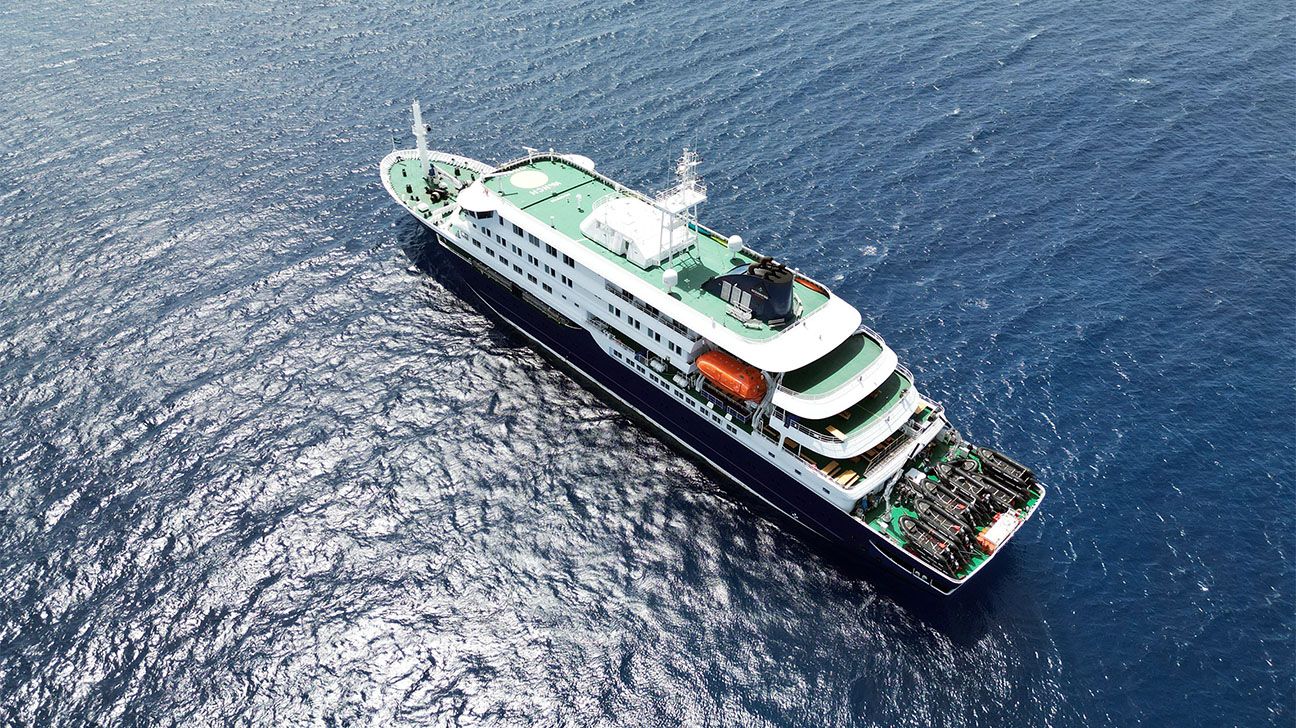
# Deadly Hantavirus May Have Spread Among Cruise Ship Passengers, WHO Says
The World Health Organization has flagged a potential hantavirus outbreak aboard a cruise ship, raising alarm about person-to-person transmission of a virus typically spread through contact with infected rodent urine, droppings, or saliva.
Hantavirus pulmonary syndrome kills roughly one-third of infected people who develop symptoms. The virus causes fever, muscle aches, and respiratory failure within two to three weeks of exposure. No vaccine exists, and treatment focuses on supportive care in intensive care units.
Human-to-human transmission of hantavirus is extraordinarily rare. Most documented cases involve healthcare workers exposed to blood or bodily fluids from infected patients. A cruise ship setting—with thousands of passengers in close quarters, shared ventilation systems, and communal dining—creates conditions that could theoretically enable spread if infected passengers shed the virus through respiratory droplets.
The WHO alert suggests testing may have confirmed hantavirus cases aboard the vessel. The agency likely advised passengers and crew to monitor for symptoms: fever, fatigue, muscle aches, headache, and nausea appearing two to four weeks after exposure. Shortness of breath signals dangerous progression.
Families considering cruises should know this remains an exceptionally low-risk scenario. Hantavirus outbreaks tied to cruise ships are not documented in medical literature. The infection typically strikes people handling rodents or cleaning rodent-infested spaces.
Prevention focuses on rodent control. Cruise lines employ pest management teams to eliminate rats and mice from cargo holds and living spaces. Passengers cannot reduce their risk through personal actions beyond standard hygiene.
Anyone who cruised recently and develops fever with muscle pain should alert their doctor immediately, mentioning their cruise dates and ports. Early hospitalization improves survival odds for those few cases that progress to severe