# Hantavirus Detected Among Cruise Ship Passengers: What Parents Should Know
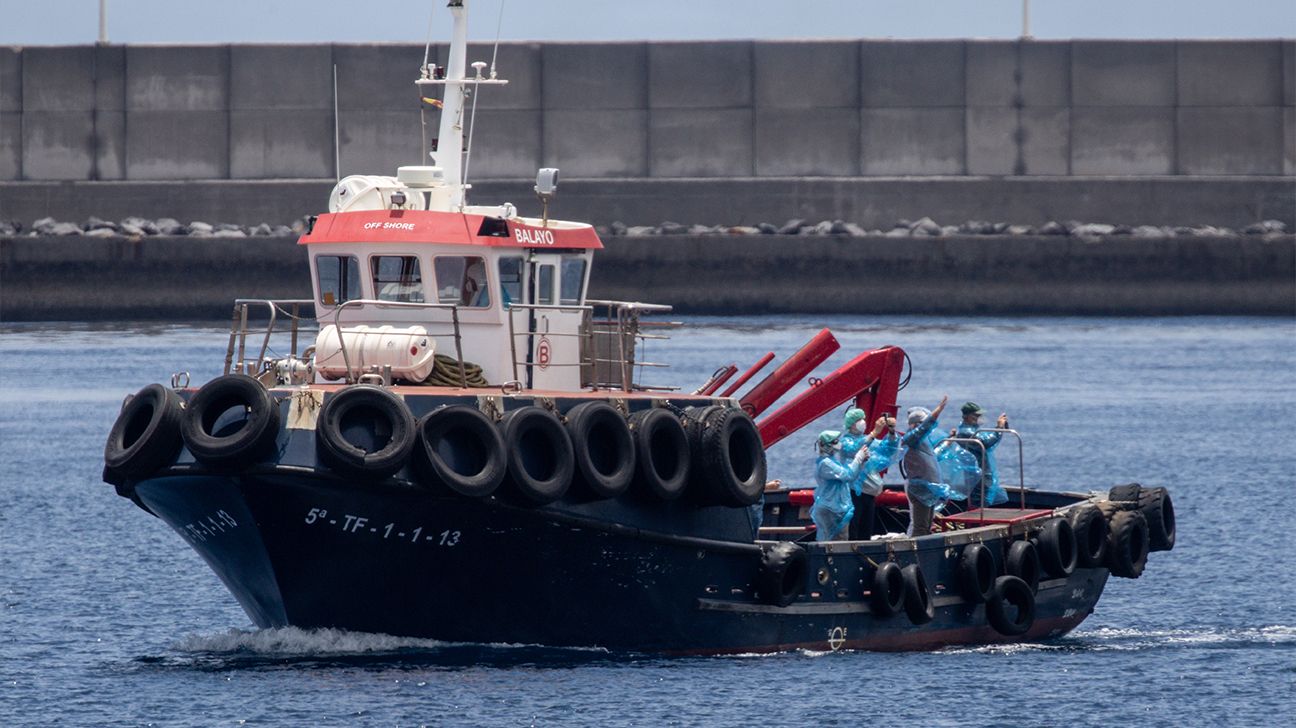
A hantavirus outbreak aboard a cruise ship operating near U.S. waters has raised health concerns among families considering travel plans. Several passengers on the MV Hondius tested positive for the virus, prompting evacuation efforts and renewed attention to this serious respiratory illness.
Hantavirus poses real health risks, but outbreaks remain rare in the United States. The virus spreads primarily through contact with infected rodent droppings, urine, or saliva, not person-to-person transmission. This limits its pandemic potential compared to flu or COVID-19. Most U.S. cases occur in the Southwest, where people encounter infected deer mice in rural settings.
The cruise ship cases represent an unusual cluster. Investigators are working to determine how passengers contracted the virus in a marine environment where rodent exposure seems unlikely. Initial findings suggest potential contamination of food or water supplies on the vessel.
Parents planning cruises or other travel need not panic, but basic precautions help. The CDC recommends avoiding contact with rodents and their droppings, keeping cabins clean, and practicing good hand hygiene. Symptoms include fever, muscle aches, and respiratory distress appearing one to eight weeks after exposure.
Seek immediate medical attention if family members develop fever and breathing problems after cruise travel or outdoor activities. Early treatment with supportive care improves survival rates. The CDC maintains updated information on hantavirus cases and prevention at cdc.gov.
The risk to cruise passengers overall remains low. Officials continue monitoring the situation and investigating this outbreak's source. Most families can travel safely by following standard hygiene practices and staying informed about vessel health reports before booking.