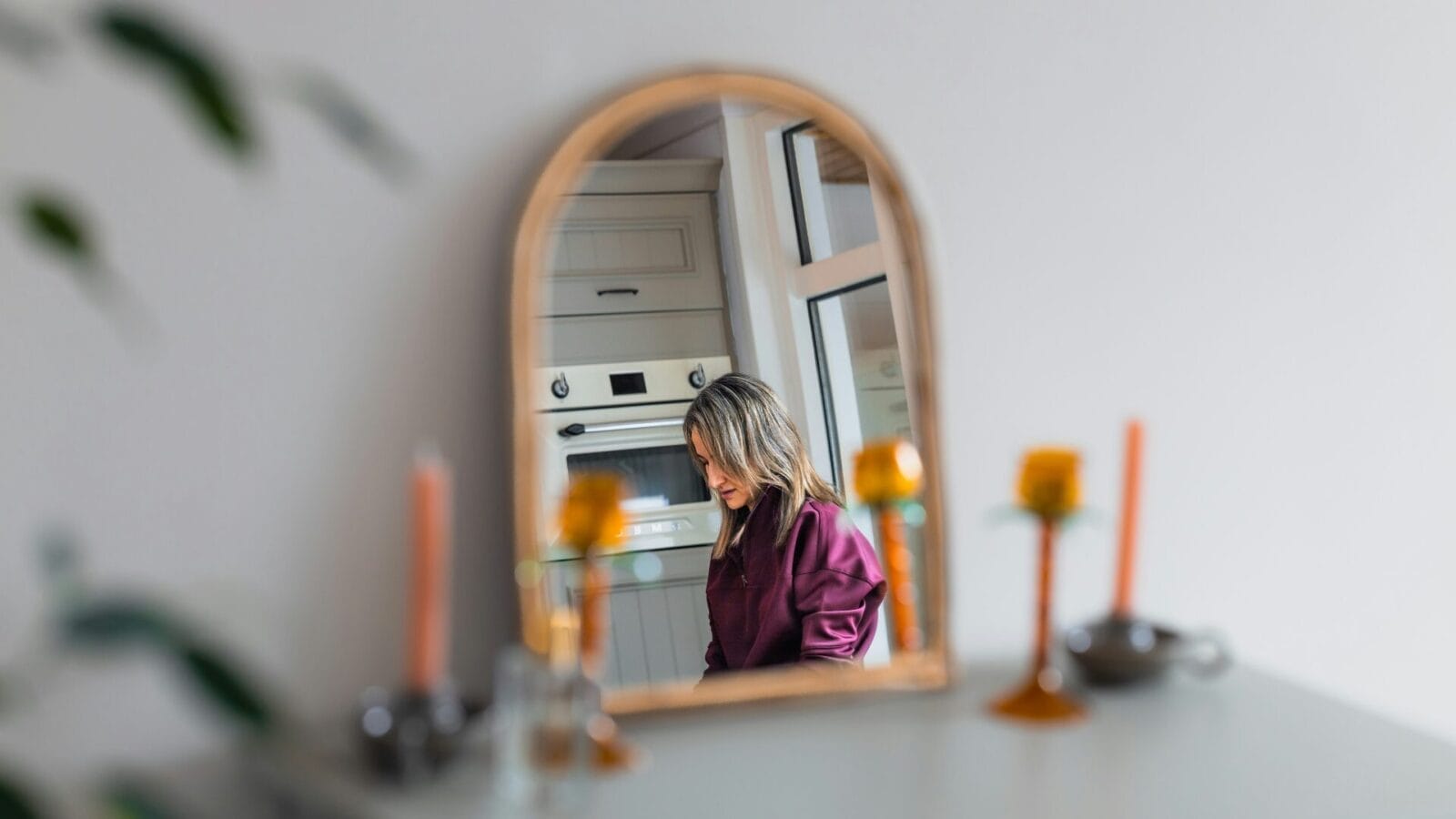
# If You've Lost Yourself in Motherhood, There's a Name for What You're Feeling
New mothers often experience a profound identity shift that goes unnamed and unvalidated. The cultural narrative pushes the idea that motherhood represents the "happiest time of your life," yet many women feel isolated, depleted, and disconnected from themselves in ways they struggle to articulate.
This disconnect has real consequences. When mothers feel lost but hear constant messaging about how fulfilling parenthood should be, they internalize shame instead of seeking support. They question whether their feelings are normal, valid, or worth discussing.
Mental health professionals recognize this experience as more than just postpartum depression or anxiety. Some call it "identity loss" or "maternal ambivalence," acknowledging that mothers can simultaneously love their children and grieve the person they were before parenthood. This grief is legitimate.
The research shows mothers sacrifice sleep, friendships, career momentum, bodily autonomy, and personal interests at rates fathers rarely match. Yet our culture frames these sacrifices as natural and expected rather than as genuine losses worthy of acknowledgment.
What matters most is naming what's happening. When mothers understand that feeling lost is a common response to profound life change, not a personal failure, they're more likely to seek help and practice self-compassion. Therapists, support groups, and honest conversations with other mothers offer pathways out of isolation.
This doesn't mean mothers shouldn't embrace parenthood or that children aren't blessings. It means allowing space for complexity. A mother can deeply love her children and simultaneously miss who she was. She can find joy in parenting and grieve her independence. These feelings coexist.
Parents benefit from rejecting the "happiest time of your life" script and replacing it with a more honest one: motherhood changes everything, and that transformation deserves space to be explored, grieved