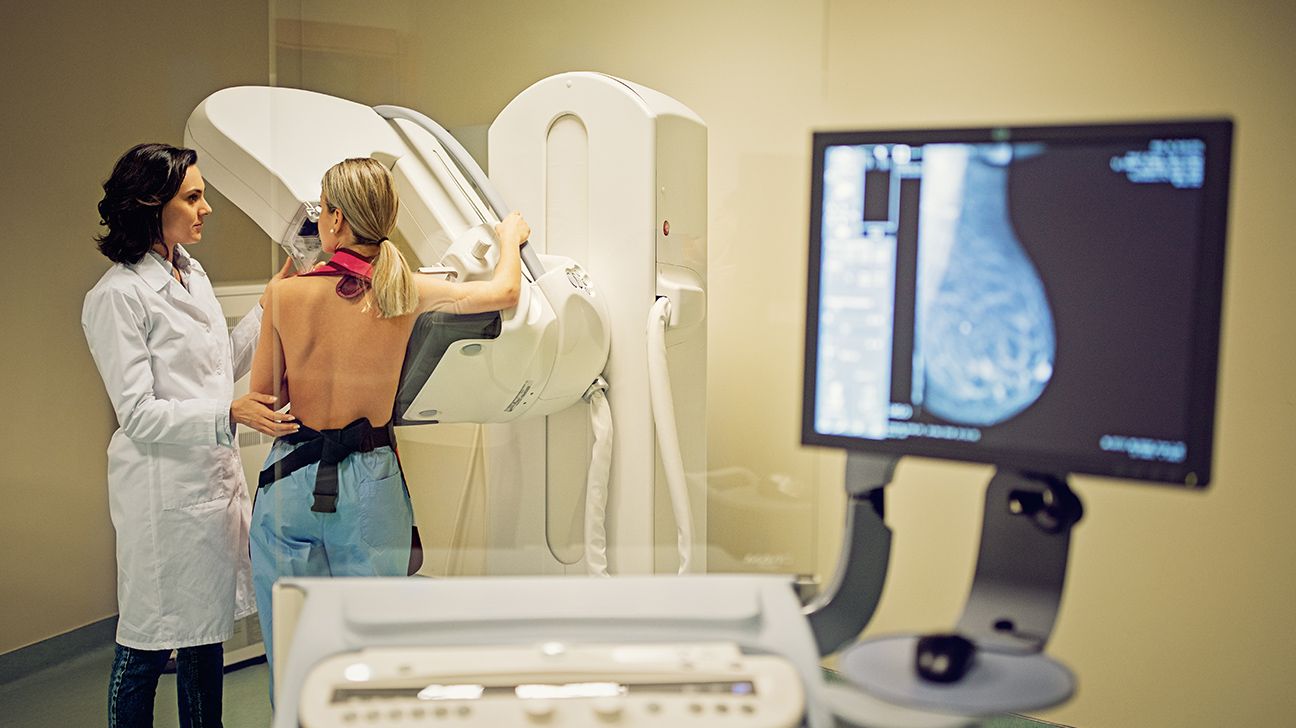
# New Breast Density Treatment Offers Safer Alternative With Lower Cancer Risk
Researchers have developed a new treatment approach for high breast density that appears to reduce cancer risk while producing fewer side effects than existing options. High breast density, where breast tissue contains more glandular and connective tissue than fat, increases the difficulty of detecting cancers on mammograms and raises breast cancer risk itself.
The new treatment works differently from hormone-based therapies that have dominated this space for years. Traditional approaches often relied on hormone replacement or selective estrogen receptor modulators (SERMs) like tamoxifen, which carry risks of blood clots, stroke, and endometrial cancer. Women taking these medications faced trade-offs between reducing cancer risk and managing unwanted side effects.
This emerging treatment demonstrates effectiveness in lowering breast density while maintaining a stronger safety profile. Early research shows it reduces cancer development risk in women with dense breast tissue without triggering the serious complications associated with hormonal therapies.
For women with high breast density, this development matters considerably. The American Cancer Society estimates roughly 40 percent of women over 40 have dense breast tissue. These women already face increased cancer risk. When dense tissue also obscures tumor visibility on standard mammograms, the combination creates real challenges for early detection.
Doctors typically recommend supplemental screening for dense-breast patients, using tools like 3D mammography, ultrasound, or MRI. This new treatment option gives physicians an additional strategy for managing breast density itself rather than only compensating for it during screening.
The research underscores a growing shift in breast health. Rather than accepting high density as a fixed characteristic that requires only enhanced surveillance, clinicians can now offer preventive treatment that addresses the underlying tissue composition.
Women concerned about breast density should discuss screening options and potential preventive treatments with their doctors. This new approach expands the conversation beyond mammography schedules