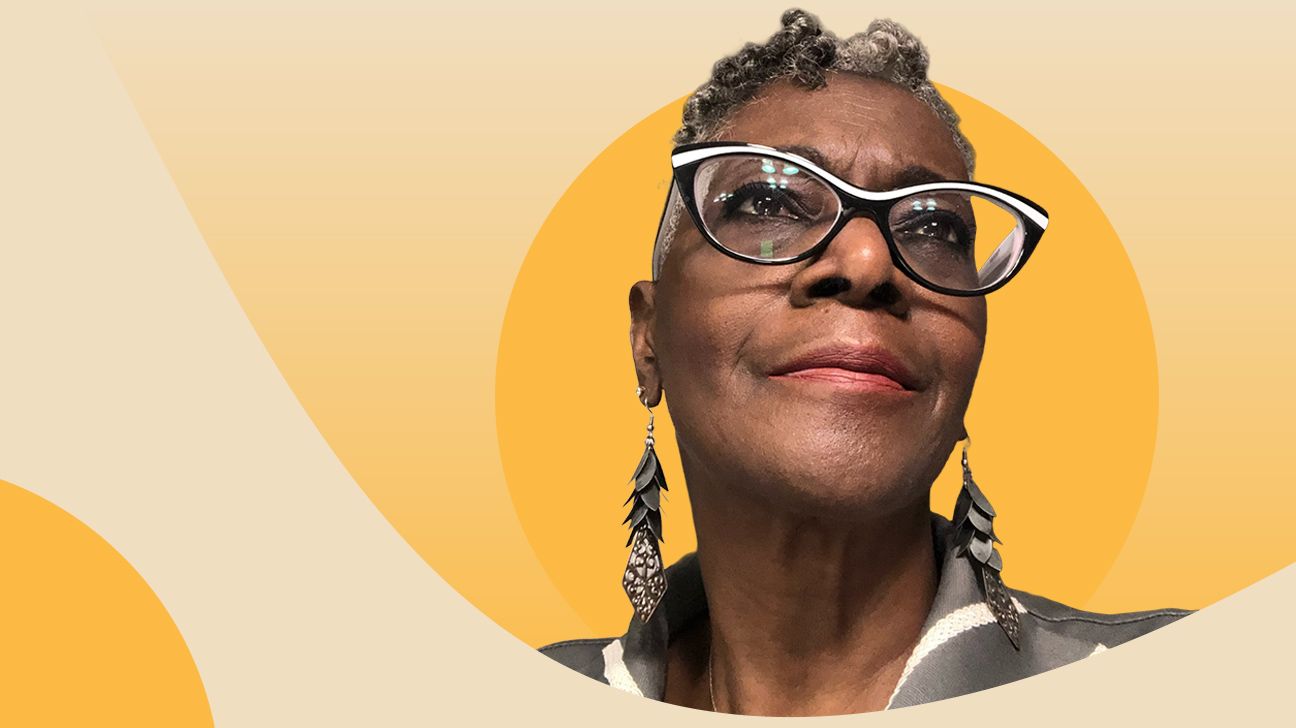
Barbara Roberts received an HIV diagnosis in 1996 and has lived with the virus for 30 years. Now at 74, she represents a growing population of older adults managing HIV with modern treatments that allow them to live long, productive lives.
Roberts benefits from advances in HIV medication that have transformed the disease from a death sentence into a manageable chronic condition. An FDA-approved medication she now uses simplifies her treatment regimen, reducing the complexity of managing multiple daily pills that characterized HIV treatment for decades.
Modern antiretroviral therapy has extended life expectancy dramatically for people with HIV. When Roberts received her diagnosis in the mid-1990s, treatment options were limited and often came with severe side effects. Today, single-tablet regimens and long-acting injectables allow patients to maintain undetectable viral loads, which prevents transmission and protects immune health.
The shift matters for parents who may worry about loved ones diagnosed with HIV, whether children, adult children, or partners. The stigma surrounding HIV diagnosis often stems from outdated information about the condition. Medical advances mean people with HIV can now pursue education, careers, relationships, and parenthood with appropriate medical support.
Roberts' story highlights what infectious disease specialists have known for years. With consistent medication adherence and regular medical care, people with HIV can achieve normal lifespans and excellent quality of life. The CDC reports that people with HIV who take antiretroviral medications as prescribed and maintain an undetectable viral load can live as long as people without HIV.
Newer medications address a persistent challenge. Aging adults with HIV sometimes struggle with pill burden and medication side effects that accumulate over decades of treatment. Simplified regimens reduce these barriers, improving adherence and overall health outcomes.
For families navigating an HIV diagnosis, Roberts' example provides hope. Access to quality healthcare, consistent treatment, and community support enable people living with HIV to thrive across the