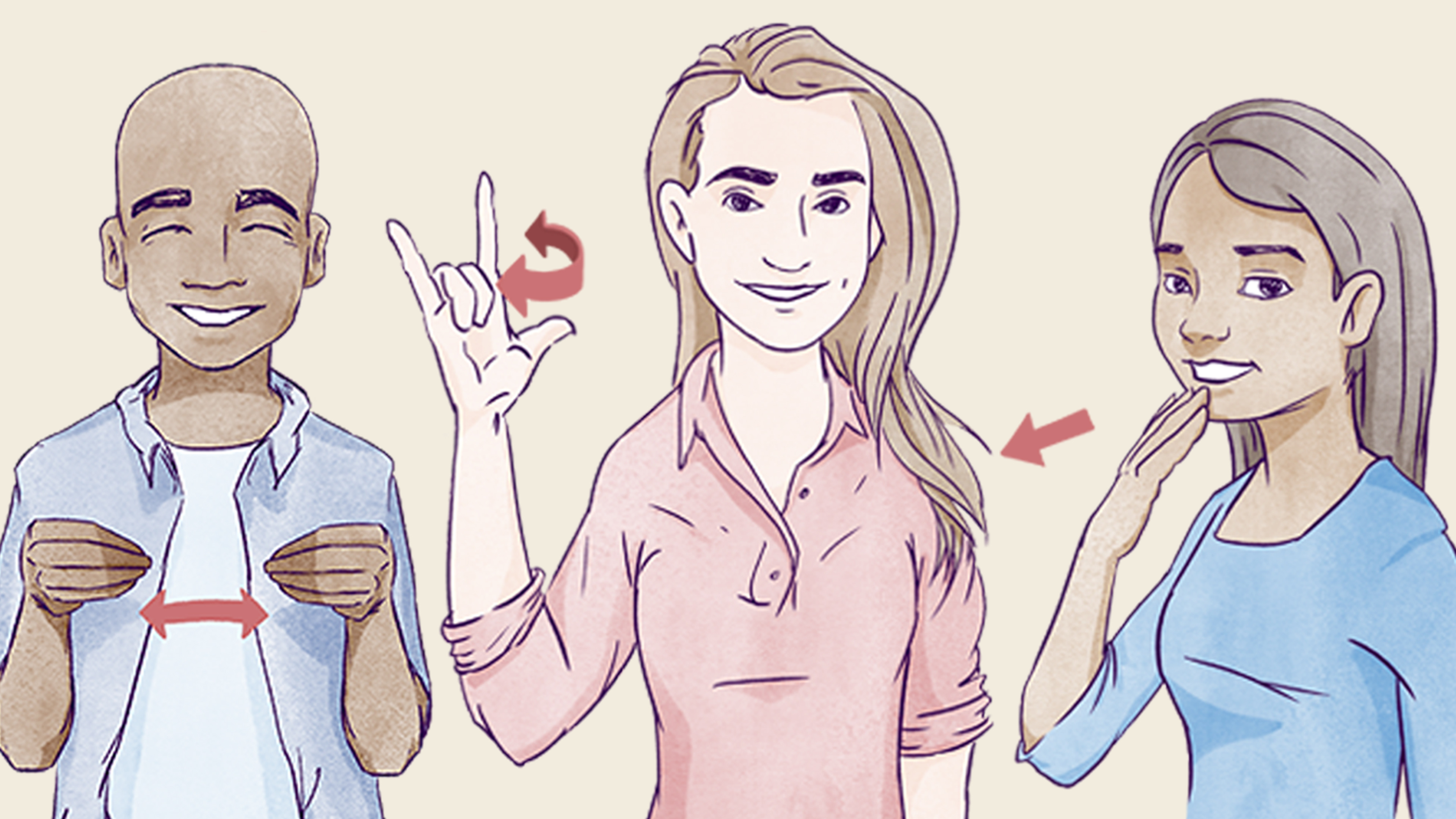
Baby sign language gives infants a way to communicate their needs before they can speak, reducing frustration for both baby and parent. Research shows babies can learn and use hand signals as early as 6 to 8 months old, several months before they speak their first words.
The benefits go beyond early communication. Studies published in child development journals demonstrate that babies who learn sign language develop stronger language skills overall and experience fewer behavioral problems related to communication frustration. Pediatrician Dr. Laura Markham notes that signing also strengthens the parent-child bond through increased interaction and responsiveness.
Common baby signs focus on immediate needs and everyday objects. Parents typically start with simple signs like "milk," "more," "all done," "mother," and "father." Other popular signs include "sleep," "eat," "water," "help," "yes," and "no." Most babies can master 8 to 10 signs by their first birthday when parents practice consistently.
Teaching baby sign language works best when parents use the same signs repeatedly during relevant moments. When your baby reaches for milk, show the sign while saying the word aloud. This pairing of gesture, word, and action helps babies connect the sign to the meaning. Consistency across caregivers matters, so grandparents and daycare providers should learn the same signs.
You don't need to use formal American Sign Language. Baby sign language uses simplified hand movements babies can physically replicate, which differs from ASL used by Deaf communities. Popular resources like "Baby Signs" by Dr. Linda Acredolo and Dr. Susan Goodwyn provide visual guides and step-by-step instruction.
The window for introducing signs stays open throughout toddlerhood. Even babies who don't learn signs early can benefit from starting at 12 to 18 months. Once children begin speaking, they naturally drop the signs and rely on words, though some