# Recess Isn't a Reward. It's a Requirement.
The American Academy of Pediatrics has issued new guidance making recess a non-negotiable part of every school day, not a privilege that students earn or lose based on behavior.
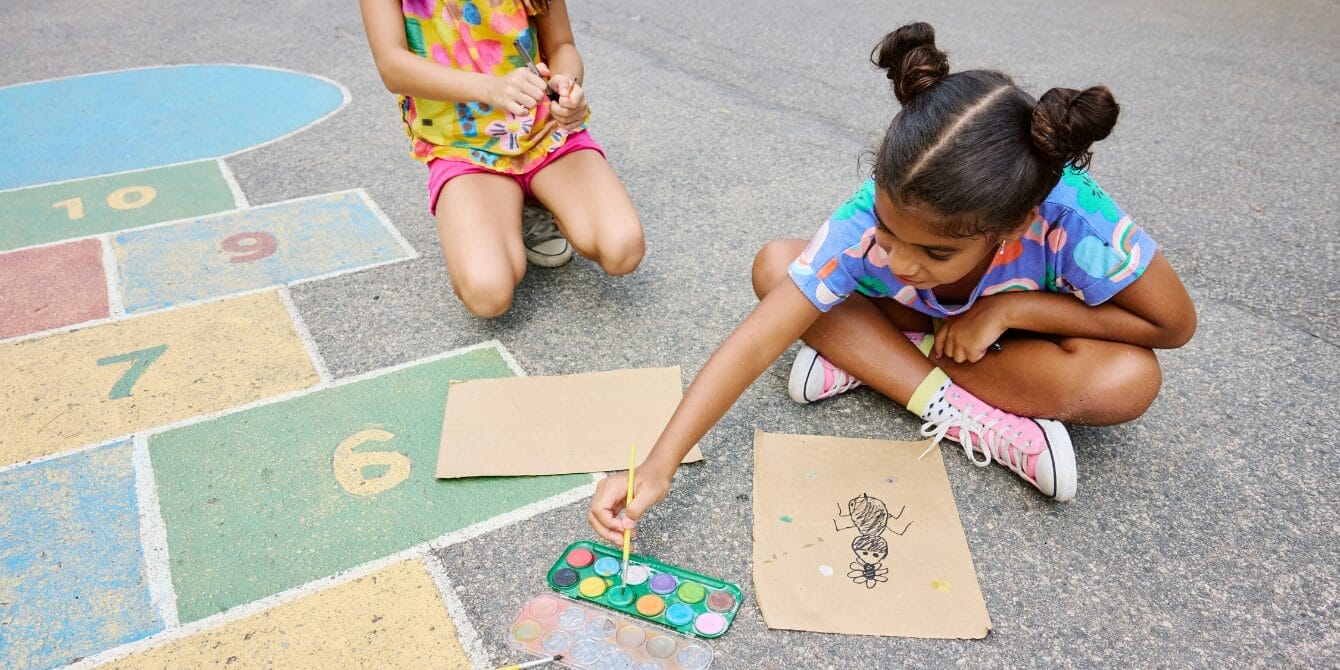
This shift reflects growing research showing recess serves critical functions beyond fun. During unstructured outdoor time, children develop social skills, practice emotional regulation, and build physical fitness. Recess also improves focus and academic performance during classroom instruction. Removing recess as punishment actually undermines the students who need movement and peer interaction most.
The AAP recommends schools provide at least 20 minutes of recess daily for elementary students, separate from physical education class. Recess should happen outdoors whenever possible and include minimal adult direction, allowing kids to engage in free play and self-directed activities.
For families whose schools still tie recess to behavior, several steps help. First, request a meeting with teachers and administrators to share the AAP's position. Many educators aren't aware of the updated guidance. Second, ask what behaviors result in lost recess and whether alternative consequences exist. Third, advocate for school-wide recess policies that protect this time for all students, including those with behavioral or learning differences.
Some schools restrict recess for incomplete homework or classroom disruptions. Others use it as leverage for improved behavior. The AAP's stance directly challenges these practices, arguing that recess deprivation harms the very students who benefit most from downtime and movement.
If your child's school refuses to treat recess as mandatory, escalate to the principal or district superintendent. Request written policy changes. Connect with other parents facing the same issue. School boards respond to organized community pressure.
Recess benefits every child, from those thriving academically to those struggling with self-control. Protecting this time protects your child's physical health, mental development