# Trying to Conceive Tips: Do This If You're TTC
Couples hoping to become pregnant face real questions about timing, fertility, and what actually works. The answers matter because conception depends on understanding your body's cycle and making informed choices about health.
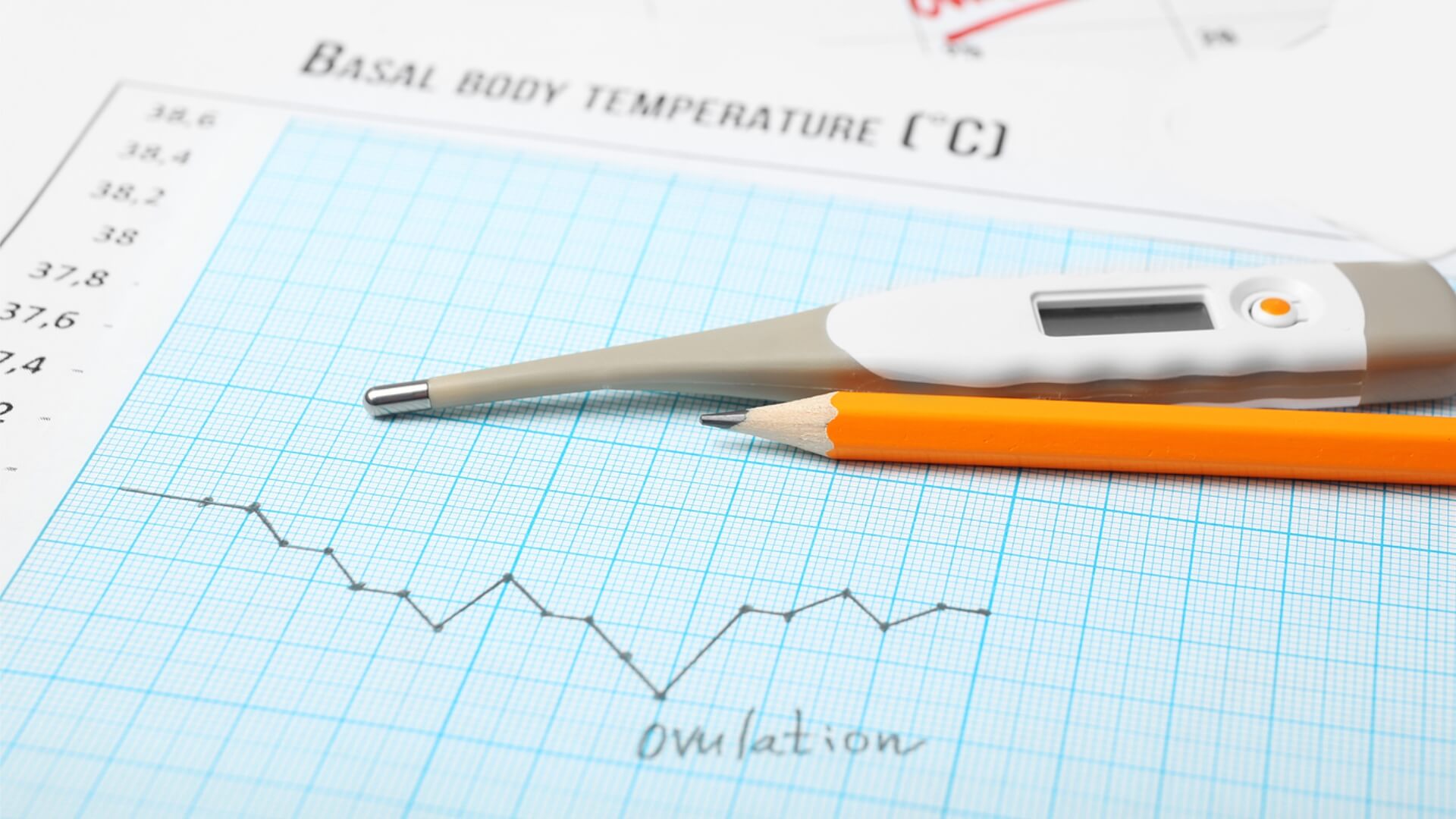
Timing intercourse around ovulation remains the most evidence-based strategy. Ovulation typically occurs 14 days before your next period, though this varies. Sperm survives in the reproductive tract for up to five days, so having sex during the five days leading up to ovulation and on ovulation day itself offers the best chance of conception. Tracking ovulation through methods like basal body temperature charting, ovulation predictor kits, or cervical mucus observation helps identify your fertile window precisely.
Beyond timing, general health practices boost fertility for both partners. Research shows that maintaining a healthy weight, exercising regularly, and eating a nutrient-rich diet improve conception odds. For women, prenatal vitamins containing folic acid support early pregnancy health and should start before conception. Men benefit from antioxidant-rich foods that protect sperm quality.
Lifestyle factors matter too. High stress can disrupt ovulation, so managing stress through yoga, meditation, or counseling supports reproductive health. Limiting alcohol and eliminating smoking improves outcomes for both partners. Sleep quality and duration affect hormone balance, so prioritizing seven to nine hours nightly helps.
Some couples benefit from tracking their cycle with apps or fertility monitors. These tools identify patterns and confirm ovulation timing, reducing guesswork. After 12 months of trying without success (or six months if you're 35 or older), consulting a reproductive endocrinologist makes sense. Testing can identify underlying issues like irregular ovulation, blocked tubes, or low sperm count.
The emotional weight of trying to conceive deserves acknowledgment. Many couples find support groups or