# Just 2 Hours of Strength Training a Week May Help You Live Longer
New research shows that adults who do strength training twice weekly have lower mortality rates than sedentary peers. The findings come from studies tracking exercise habits and health outcomes across large populations over many years.
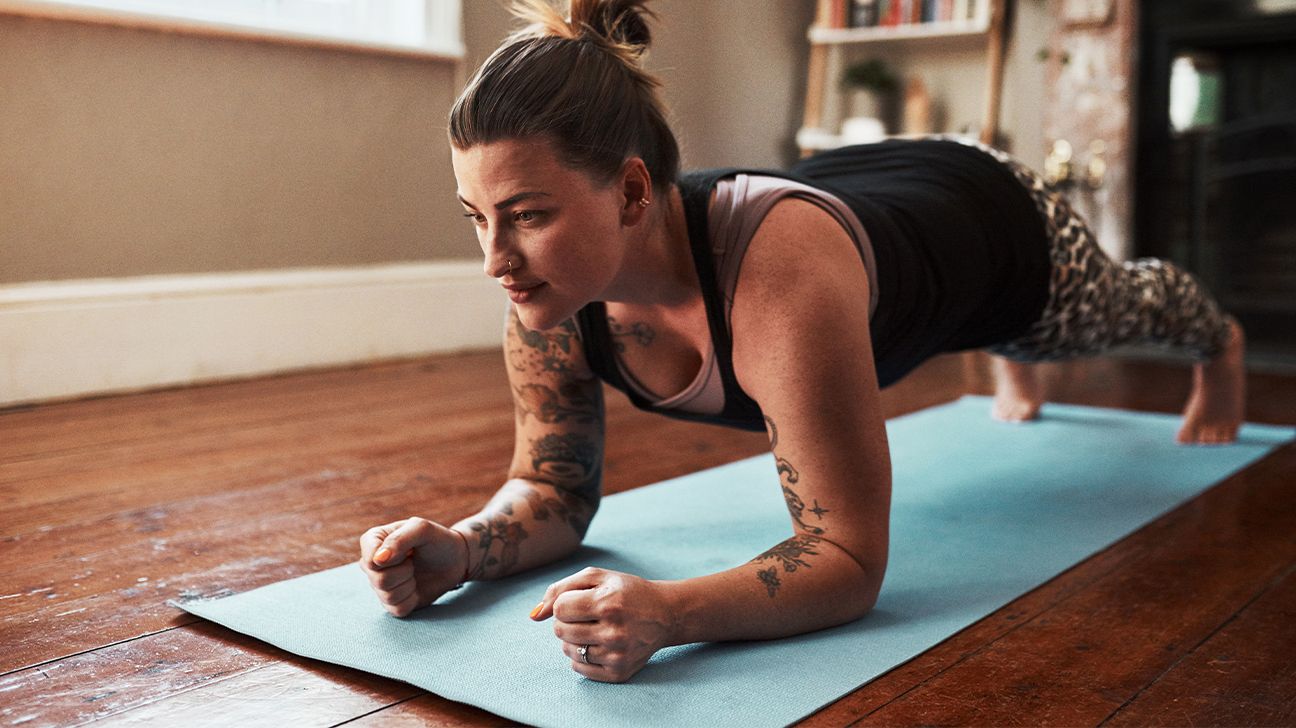
Strength training does not require a gym membership or expensive equipment. Bodyweight exercises like planks, push-ups, and squats deliver measurable benefits. Resistance bands and dumbbells work equally well for building muscle at home.
The research supports existing public health guidelines. The World Health Organization and CDC recommend adults perform muscle-strengthening activities at least twice per week. Most people can fit two hours of strength work into their weekly schedule by doing 20 to 30 minutes per session.
Strength training protects against multiple diseases linked to early death. Building muscle mass improves bone density, reducing fracture risk in older adults. Resistance exercise also helps regulate blood sugar, lowering diabetes risk. Stronger muscles support better balance and mobility, preventing dangerous falls.
Parents benefit from understanding these findings for their own health. When adults prioritize strength training, they model healthy habits for children. Kids with physically active parents exercise more themselves, according to behavioral research.
Starting a strength routine requires no special skills. Beginners should focus on proper form before adding weight or difficulty. Free online videos from certified trainers provide instruction for home workouts. The American Council on Exercise and National Academy of Sports Medicine offer workout libraries on their websites.
Consistency matters more than intensity. Two moderate sessions weekly outperforms sporadic intense workouts. Adding strength training to a weekly schedule reduces barriers compared to joining gyms or fitness classes.
Adults who struggle with traditional exercise may find strength training more sustainable than running or cycling. The variety of exercises keeps workouts interesting. Visible progress in strength motivates continued effort.
The longevity benefits emerge gradually