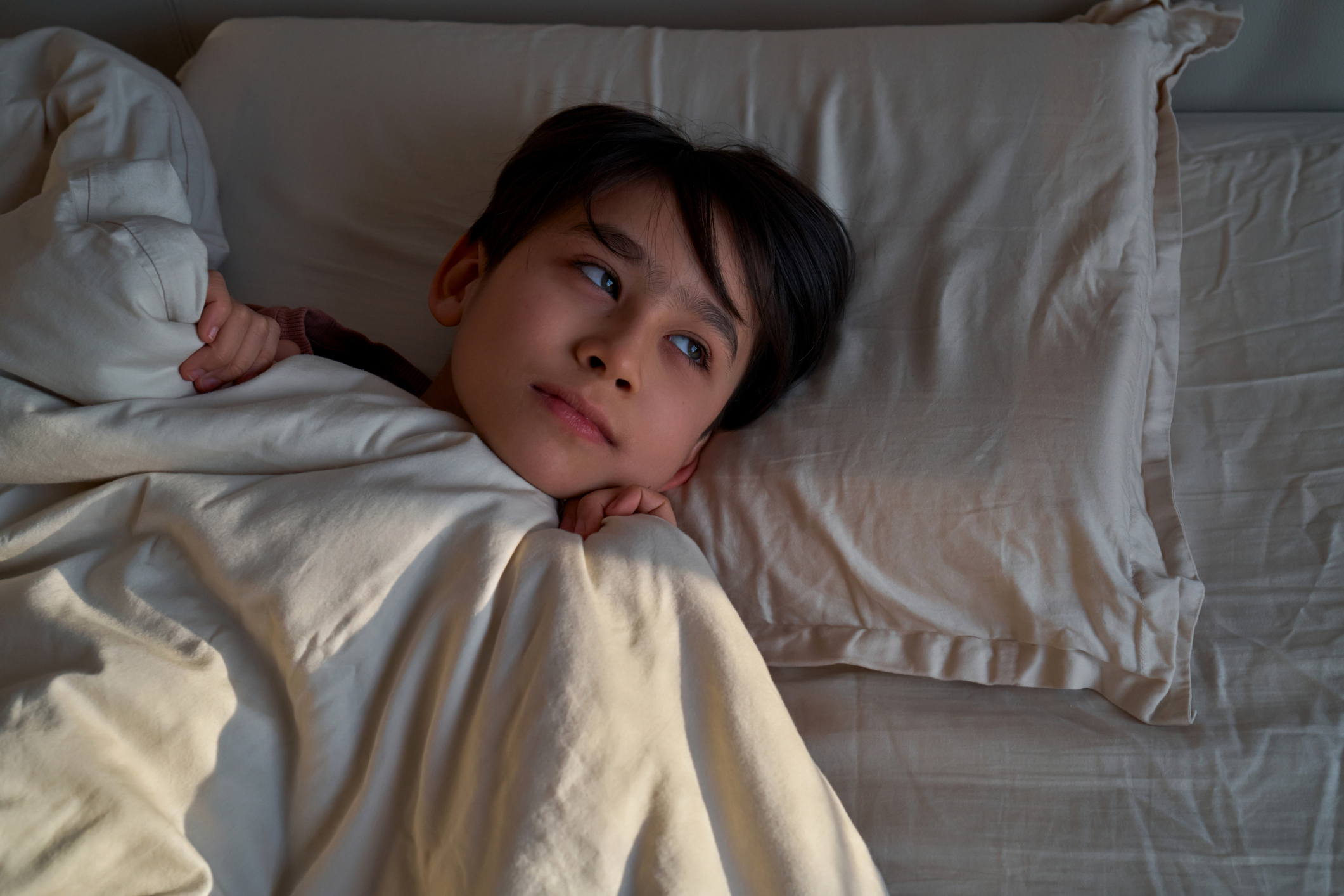
# Melatonin for Kids: Is It Safe?
Parents often hear conflicting advice about melatonin for children's sleep problems. Some swear by it. Others warn against it. The confusion makes sense. Melatonin is widely available, heavily marketed as a "natural" sleep aid, and sits on pharmacy shelves next to vitamins and supplements.
But what does the science actually say?
Melatonin is a hormone your body produces naturally to regulate sleep-wake cycles. Taking it as a supplement became popular for adults with jet lag and shift work. Parents began using it for children with bedtime struggles, and sales have skyrocketed. The supplement market for kids' melatonin has grown exponentially over the past decade.
The Child Mind Institute, a leading research organization focused on child mental health and learning disorders, addresses the real concerns parents should know about.
First, melatonin is unregulated by the FDA as a dietary supplement, not a medication. This means dosages vary wildly between brands. Some contain much more melatonin than advertised. Others contain contaminants or unlisted ingredients. Parents buying a bottle labeled "melatonin" cannot be certain what their child is actually taking.
Second, melatonin works best for specific sleep problems, particularly circadian rhythm disorders where a child's internal clock is genuinely misaligned. For general bedtime resistance or anxiety about sleep, melatonin often does not address the root cause.
Third, long-term effects in children remain unstudied. Melatonin influences puberty timing and reproductive hormones in animal studies. We simply do not have enough data on what regular melatonin use does to developing children over years.
The better approach starts with sleep hygiene. Consistent bedtimes, dark bedrooms, no screens before bed, and regular