# Menopause: Plant-Forward Diets Can Help With Weight Management
Women navigating menopause face a common challenge: weight gain becomes harder to prevent and easier to gain, even without dietary changes. A plant-forward diet offers a practical solution to manage this shift.
Menopause triggers metabolic slowdown due to declining estrogen levels. This hormonal drop reduces calorie burn and shifts fat storage patterns, often concentrating weight around the midsection. Women can gain five to eight pounds during the menopausal transition without changing eating habits.
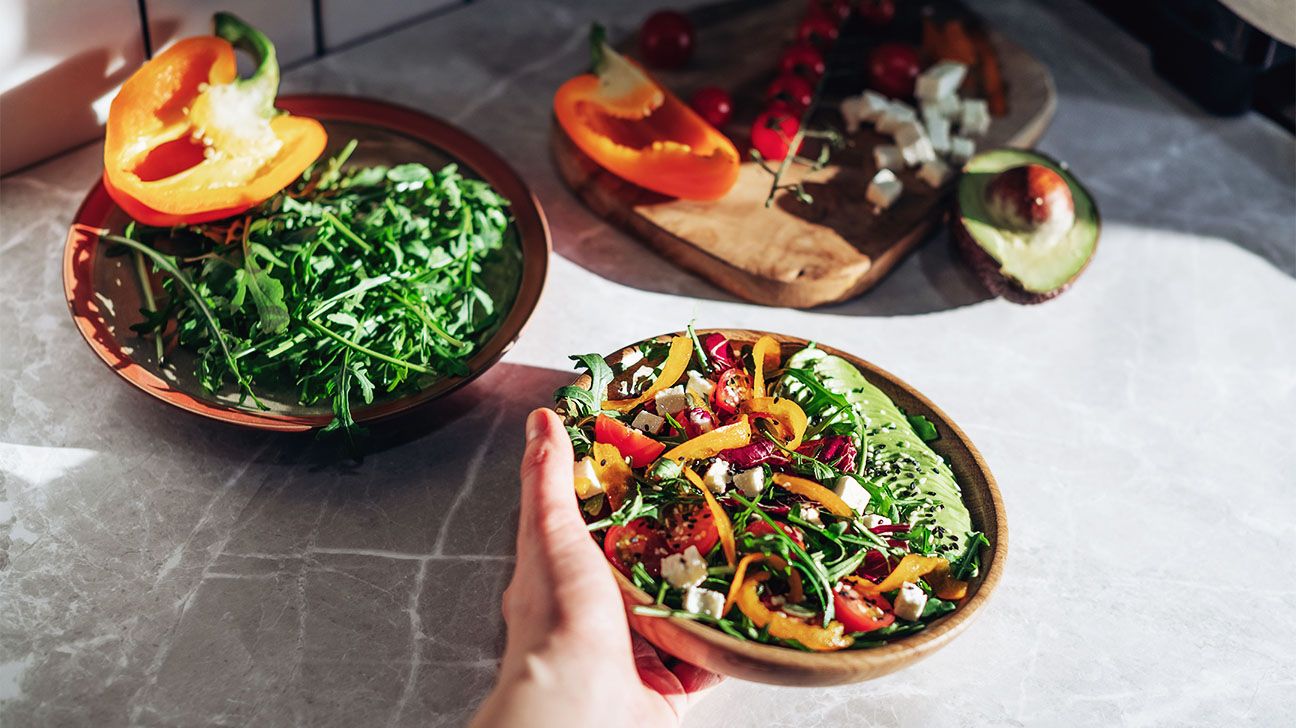
Plant-forward eating addresses this challenge through multiple pathways. Plant-based foods contain more fiber, which increases satiety and keeps hunger hormones steady longer. Vegetables, fruits, legumes, and whole grains also pack more nutrients per calorie than processed foods, supporting stable blood sugar and energy levels during a time when both tend to fluctuate.
Research published in health journals supports this approach. Studies show women following plant-heavy diets experience less weight gain during menopause compared to those eating standard Western diets high in processed foods and animal products. The fiber content helps regulate metabolism, while plant compounds called polyphenols may reduce inflammation linked to menopausal symptoms like hot flashes.
A plant-forward diet doesn't mean complete vegetarianism. Women can include fish, eggs, or small amounts of poultry while emphasizing vegetables, whole grains, beans, nuts, and seeds. This balance provides protein for muscle maintenance, crucial during menopause when muscle loss accelerates.
Practical steps include filling half your plate with vegetables at each meal, choosing whole grains over refined options, and swapping processed snacks for nuts or fresh fruit. Many women report that plant-forward eating also improves mood and sleep quality during menopause, benefits beyond weight management.
Women experiencing menopausal weight gain should cons