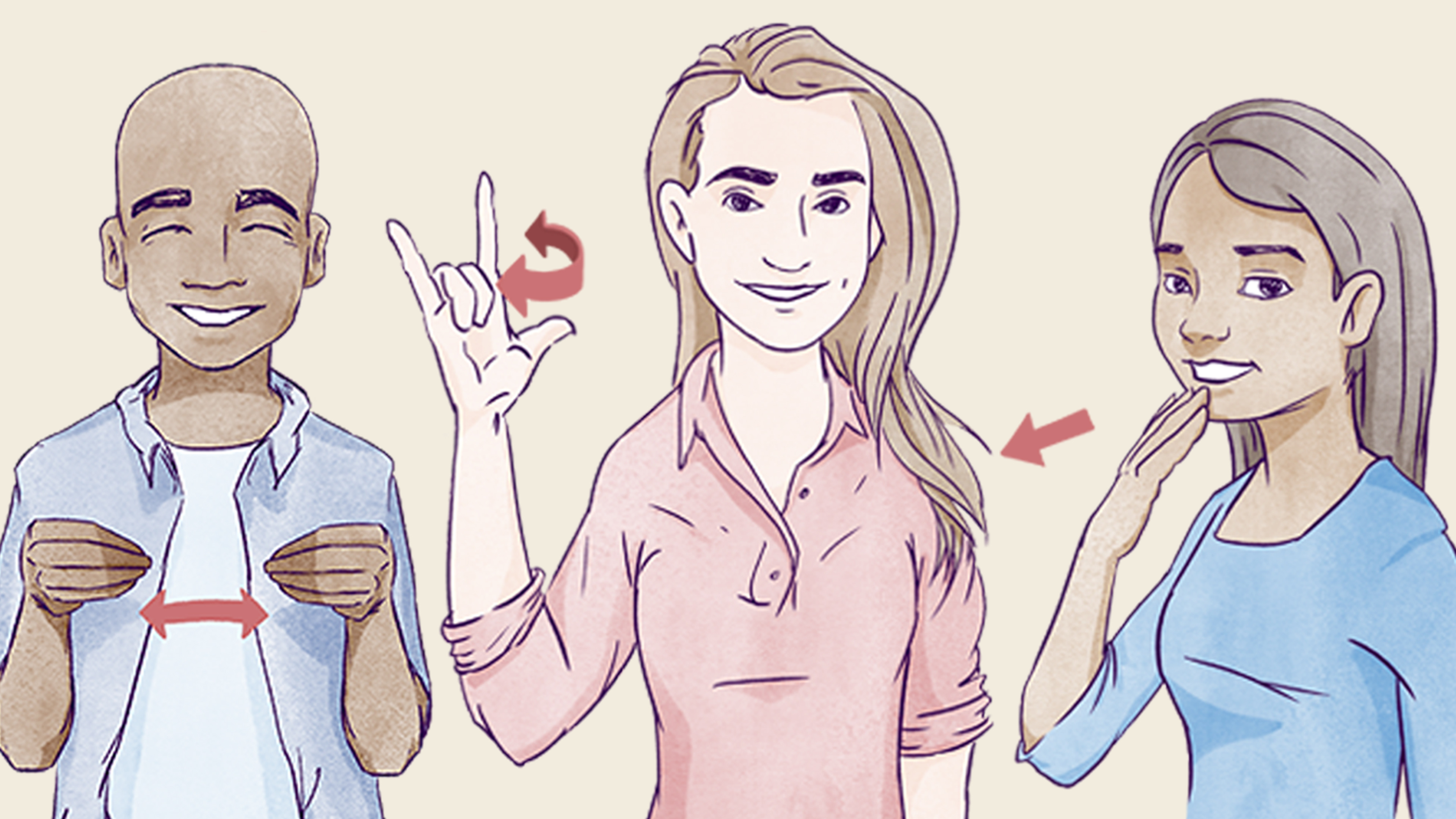
Baby sign language gives parents a communication bridge before toddlers develop spoken language skills. Teaching simple hand signs between 6 and 12 months helps babies express needs, reducing frustration for both child and parent.
Research from the University of California at Davis found that babies who learn sign language alongside spoken language show earlier communication milestones. Babies can physically produce hand gestures months before they can form clear words. A baby might sign "more" or "milk" around 8 months, while the spoken versions arrive closer to 12 to 18 months.
Common first signs include "more," "milk," "all done," "mommy," "daddy," "please," and "thank you." These target the requests and interactions that fill a baby's day. Parents teach signs by performing the gesture while saying the word aloud, repeating it during natural moments when baby needs or wants something. Consistency matters most. If your partner, daycare provider, or grandparent helps with childcare, everyone using the same signs accelerates learning.
The benefits extend beyond communication. Sign language builds parent-child bonding through focused interaction. It also supports cognitive development. Babies who use signs show improved problem-solving skills and vocabulary growth, according to research published in Child Development journal.
You don't need formal training to start. Mama Natural and similar parenting sites offer visual cheat sheets showing the top 20 baby signs with step-by-step photos or videos. YouTube channels dedicated to baby sign language provide demonstrations you can watch repeatedly while practicing with your baby.
Families with deaf or hard-of-hearing members gain additional value. Baby sign language becomes a natural part of family communication rather than something introduced later.
Start with three to five signs your baby encounters daily. Add new signs gradually as your baby masters each one. Most babies pick up their first sign within weeks of consistent exposure. This early communication