# Trying to Conceive Tips: Do This If You're TTC
Couples planning pregnancy often struggle with timing and fertility optimization. The core questions remain consistent: when to have intercourse for conception and how to enhance reproductive health.
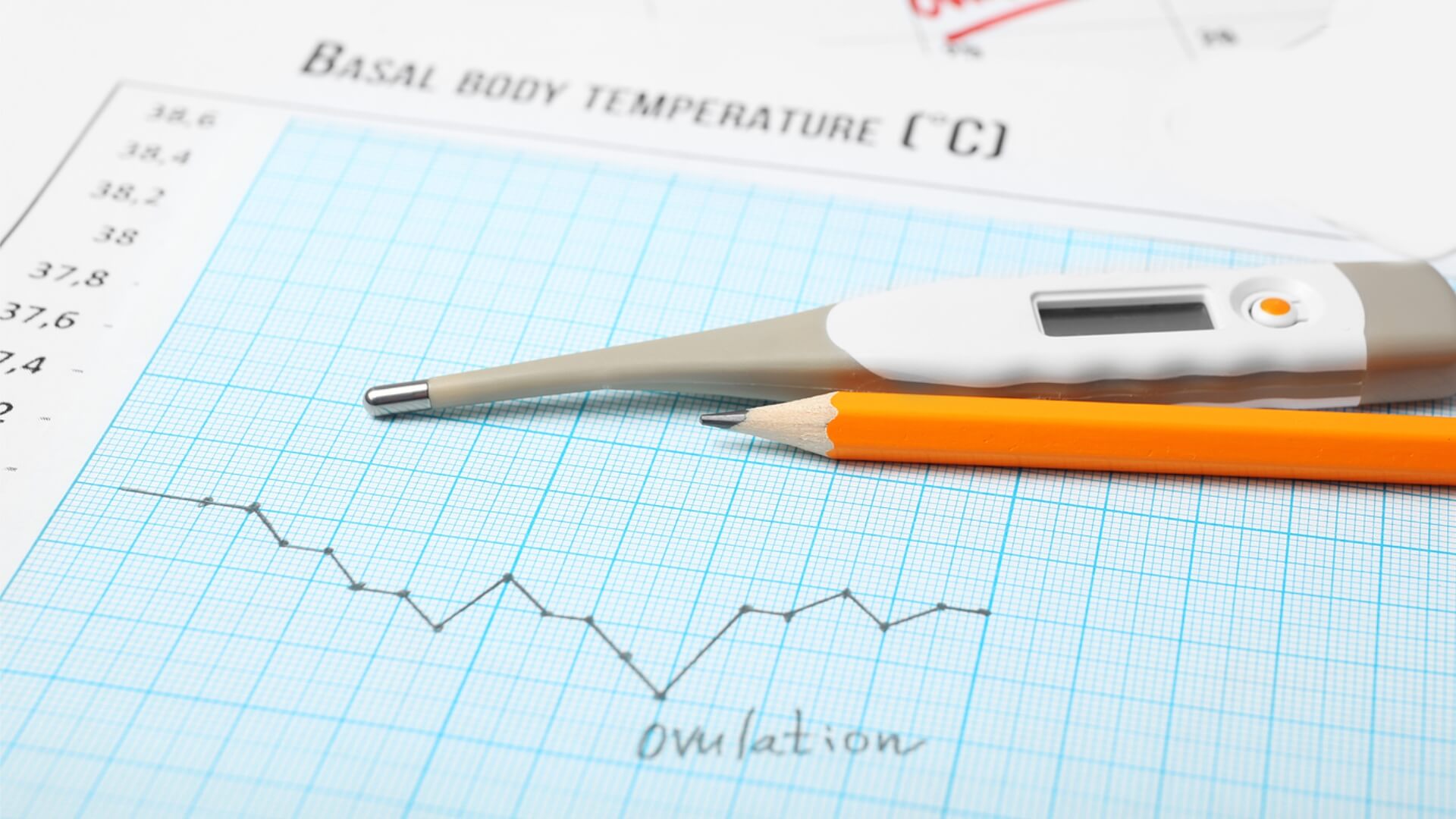
Timing matters for conception. Pregnancy occurs when sperm meets an egg during the fertile window, typically the five days before ovulation and the day of ovulation itself. Most people ovulate around day 14 of a 28-day cycle, though cycles vary widely. Tracking ovulation through methods like basal body temperature, cervical mucus changes, or ovulation predictor kits helps couples identify their fertile window with greater accuracy.
Beyond timing, lifestyle factors shape fertility outcomes. Regular exercise supports reproductive health, though extreme training can suppress ovulation. Maintaining a healthy weight benefits both partners, as obesity and being underweight can disrupt hormonal balance. Nutrition plays a role too. Prenatal vitamins containing folic acid reduce neural tube defects and support conception. Some research suggests diets rich in whole grains, vegetables, fish, and legumes improve fertility markers compared to diets high in red meat and refined carbohydrates.
Stress reduction supports conception efforts. Chronic stress elevates cortisol levels, which can interfere with reproductive hormones. Practices like meditation, yoga, or therapy help couples manage the emotional weight of trying to conceive.
Both partners should address health factors. Men benefit from avoiding smoking, limiting alcohol, and maintaining scrotal temperature (tight underwear and hot baths can reduce sperm quality). Women should quit smoking, limit caffeine, and discuss medications with their provider, as some interfere with conception or early pregnancy.
Frequency matters too. Couples don't need to time sex perfectly. Regular intercourse throughout the cycle, including the fertile window, increases conception chances. The American College of Obstetricians