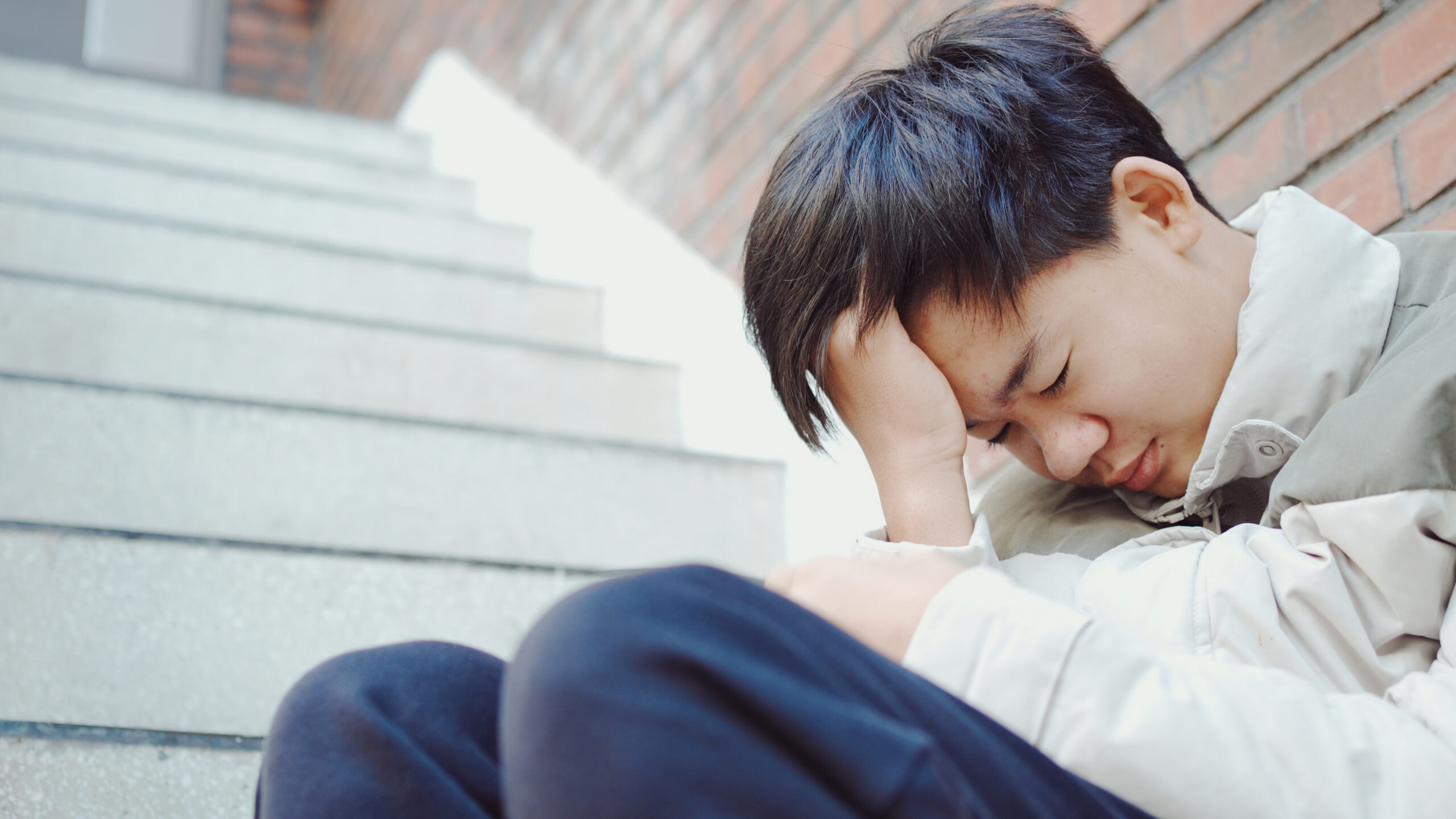
When your teenager says "I hate myself" after bombing a test or an awkward social moment, it often feels like typical adolescent drama. That frustration with a specific failure is normal. But for some kids, self-hatred runs deeper. It becomes a persistent emotional pattern rather than a reaction to a single bad day.
The Child Mind Institute distinguishes between temporary self-criticism and genuine self-hatred. A child who feels bad about failing a test experiences normal disappointment. A child who hates themselves develops a pervasive belief that they are fundamentally flawed, unworthy, or incapable. This pattern differs in severity, duration, and how it shapes their behavior and choices.
Self-hatred in children often connects to deeper issues like depression, anxiety, or low self-esteem that extend beyond typical teenage moodiness. It can emerge from chronic stress, bullying, family conflict, or unrealistic perfectionism. Some kids internalize repeated criticism or compare themselves relentlessly to peers on social media, feeding a cycle of self-loathing.
Parents should watch for warning signs. Kids who express consistent hatred toward themselves, withdraw from activities they once enjoyed, engage in self-harm, or make comments about being a burden may need professional support. The difference matters: occasional frustration with yourself is developmentally normal. Persistent, intense self-directed anger is not.
If you notice this pattern in your child, talk to their pediatrician or a child therapist. Cognitive behavioral therapy and other evidence-based approaches help kids challenge distorted thinking patterns and build genuine self-compassion. Parents also help by avoiding criticism that reinforces self-hatred, validating feelings while staying calm, and modeling healthy self-talk about their own mistakes.
Self-hatred affects how kids make decisions, form relationships, and engage academically. It's not something to dismiss as typical teenage angst. Early intervention from